Consistent portioning is an important part of running an efficient food business. Restaurants, catering companies, meal-prep services, and commercial kitchens need practical ways to divide ingredients and prepared foods while keeping storage areas orderly. A suitable container system can support both goals.
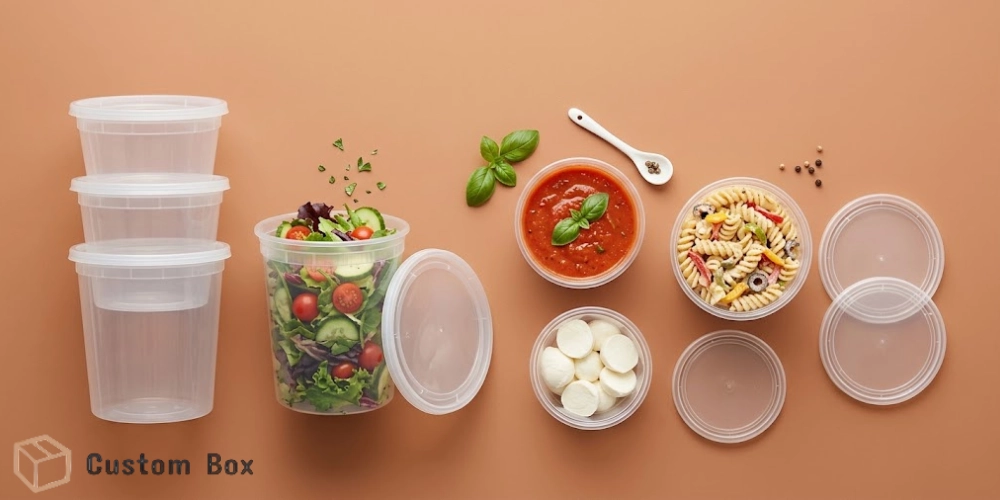
Using Deli Containers can help food businesses establish consistent portions and organize prepared ingredients more effectively. LRpacking is one supplier businesses may evaluate when comparing container sizes and specifications, but the final choice should be based on the foods being stored and the kitchen’s operating requirements.
How Containers Support Portion Control
Portion control starts with consistency. When similar foods are repeatedly stored in containers with predictable capacities, kitchen staff have a practical reference for dividing ingredients and prepared meals.
This can be useful for dishes sold by portion, prepared meal programs, catering orders, and recipes that require measured quantities of individual ingredients.
Match Container Size to Food Quantity
Choosing the appropriate capacity is essential. A container that is much larger than the portion being stored can take up unnecessary space, while a container that is too small may make filling and handling difficult.
Businesses can identify their most frequently used portion sizes and select container capacities accordingly. Maintaining a small range of sizes may provide flexibility without making inventory unnecessarily complicated.
Separate Ingredients by Preparation Stage
Organization becomes easier when ingredients are separated according to how they are used. A kitchen can store washed vegetables, chopped ingredients, sauces, toppings, and cooked components in individual containers.
This approach helps employees distinguish ready-to-use ingredients from products that still require preparation.
Organize Containers by Kitchen Station
Different areas of a commercial kitchen may use different ingredients. Containers can be organized according to preparation stations, menu categories, or frequency of use.
Frequently accessed items can be placed closer to the relevant work area, while less frequently used ingredients can remain in designated storage locations.
Use Labels Alongside Containers
Containers provide physical organization, while labels provide information. Adding clear labels can help employees identify ingredients quickly and understand when they were prepared.
Depending on the business’s procedures, labels may include:
- Ingredient or product name
- Preparation date
- Use-by information
- Portion size
- Storage instructions
Consistent labeling can be especially useful when several employees share preparation and storage responsibilities.
Improve Refrigerator Organization
Portioned ingredients are easier to arrange when containers have consistent dimensions. Similar containers can be stacked or grouped together, helping kitchens make better use of available refrigerator space.
An organized refrigerator can also make stock checks easier because employees can quickly see which ingredients are available and which need to be replenished.
Support Recipe Consistency
Standardized portions can help kitchens follow recipes more consistently. Ingredients can be measured and divided before service, reducing the need for repeated measuring during busy periods.
For high-volume operations, preparing ingredients in advance can also make production schedules more predictable.
Manage Sauces and Smaller Ingredients
Not every ingredient needs a large container. Smaller quantities of dressings, sauces, garnishes, toppings, and condiments can be stored separately in appropriately sized packaging.
Using a container that matches the quantity being stored can help reduce unused space and make individual ingredients easier to retrieve.
Make Meal Preparation More Efficient
Meal-prep businesses often need to assemble many similar orders within a limited period. A consistent container system can help employees move through portioning and packaging tasks more efficiently.
Predefined container sizes can provide a simple visual and physical reference for different meal categories without requiring employees to estimate every portion from scratch.
Reduce Unnecessary Food Handling
When ingredients are portioned directly into suitable containers, there may be less need to repeatedly transfer food between storage vessels. Fewer transfers can simplify the workflow and keep preparation areas more organized.
However, containers should always be used according to their intended application and the food business’s established handling procedures.
Consider Material and Temperature
Portion control does not eliminate the need to select suitable packaging materials. Foods may require refrigeration, freezing, or other specific storage conditions.
Before choosing containers for a particular process, businesses should check the manufacturer’s temperature specifications and intended uses. Container size and material should both match the application.
Create a Simple Inventory System
A portion-based container system can also make packaging consumption easier to monitor. If a business knows approximately how many containers of each size are used each week, it can establish practical reorder points.
Tracking usage helps prevent shortages while reducing the likelihood of purchasing more packaging than the business can reasonably store or use.
Keep Container Sizes Consistent Where Practical
Too many different container sizes can complicate inventory management. Where possible, businesses can standardize around a few commonly used capacities.
Specialized sizes can still be maintained for products that require them. The objective is to create enough flexibility for the menu without making the packaging system unnecessarily complex.
Final Thoughts
Deli containers can support portion control and food organization in several ways. Matching container capacity to food quantities, separating ingredients by preparation stage, labeling contents, and organizing storage areas can all contribute to a more structured kitchen workflow.
For food businesses, the most effective approach is to select containers based on actual portion sizes, food types, storage conditions, and daily usage. A consistent system can make preparation and inventory management easier while keeping food storage more organized.