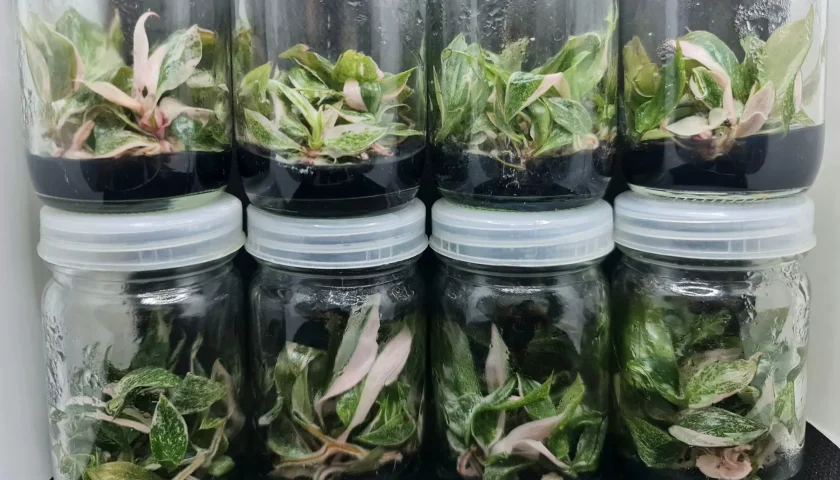
Large-scale plant production requires reliable planting materials, efficient propagation methods, and careful management of growing operations. Nurseries, commercial growers, agricultural businesses, and plant distributors must maintain sufficient plant inventory while meeting quality expectations and customer demand. Traditional propagation methods can be useful, but they may not always provide the quantity or consistency required for expanding commercial operations.
Sourcing Tissue Culture Plants Wholesale offers businesses an opportunity to obtain large quantities of selected plant varieties produced through controlled laboratory propagation. This approach can support commercial growing schedules, improve inventory planning, and provide access to plant varieties that may be difficult to multiply quickly through conventional methods.
Understanding Tissue Culture in Commercial Plant Production
Tissue culture is a propagation technique that involves growing plants from small sections of plant tissue under controlled laboratory conditions. The process generally uses sterile containers, nutrient media, and suitable growth regulators to encourage the development of new plantlets.
Because propagation takes place in a managed environment, producers can multiply selected plant material in relatively large quantities. The method is used for various ornamental, foliage, flowering, and agricultural plant varieties.
How the Process Works
Commercial tissue culture production generally involves several stages:
- Parent plant selection: Suitable source plants are selected for their desirable characteristics.
- Explant preparation: Small sections of plant tissue are collected and prepared for laboratory propagation.
- Sterilization: Plant material and equipment are treated to reduce contamination risks.
- Culture initiation: Prepared tissue is placed in a suitable nutrient medium.
- Multiplication: Developing shoots are encouraged to produce additional plantlets.
- Root development: Plantlets are prepared for growth outside laboratory conditions.
- Acclimatization: Young plants gradually adapt to normal nursery environments.
Each stage requires suitable technical procedures and monitoring to maintain plant quality.
1. Supports Higher Production Volumes
One of the main advantages of tissue culture is its ability to multiply selected plant material on a larger scale. This is useful for businesses that need thousands of plants for nurseries, agricultural projects, landscaping, or commercial distribution.
Multiply Selected Plant Varieties
Traditional propagation may depend on available parent plants, seeds, cuttings, or division. These methods can involve limitations related to propagation speed, seasonal availability, and plant characteristics.
Tissue culture allows producers to multiply suitable plant material through controlled laboratory procedures. This can help businesses obtain larger quantities of selected varieties within planned production cycles.
Maintain a More Predictable Supply
Wholesale sourcing can help commercial growers arrange plant purchases according to expected demand. Instead of relying entirely on small, irregular purchases, businesses can plan larger orders and coordinate deliveries with their growing schedules.
Actual availability still depends on supplier capacity, plant variety, and production lead times.
2. Improves Uniformity Across Plant Batches
Uniformity is important in commercial production because buyers often expect plants with similar characteristics. Tissue culture can support the production of plants with consistent genetic backgrounds when suitable source material and propagation procedures are used.
Consistent Growth Characteristics
Plants produced from carefully selected parent material may share similar foliage patterns, growth habits, and other variety-specific characteristics.
This can be particularly valuable for nurseries supplying landscaping projects, retail outlets, and commercial growers that require visually consistent batches.
Simplifies Nursery Management
When plants have similar growth requirements, nursery teams can organize watering, spacing, fertilization, and monitoring more efficiently.
However, uniformity does not mean every plant will develop identically. Environmental conditions, handling, and acclimatization can still influence individual plant performance.
3. Helps Nurseries Expand Their Product Range
Large-scale plant production often requires access to different varieties that appeal to various customer groups. Wholesale tissue culture sourcing can help nurseries explore additional plant categories without managing every propagation stage themselves.
Access to Ornamental and Foliage Plants
Commercial suppliers may offer varieties such as Philodendrons, Monsteras, Anthuriums, Aglaonemas, and other decorative foliage plants.
These plants can help garden centers and indoor plant retailers serve customers looking for different leaf shapes, colors, and growth habits.
Support Flowering Plant Production
Certain orchids, chrysanthemums, begonias, and other ornamental flowering plants can also be propagated through laboratory methods.
Access to suitable plantlets can help commercial growers plan production around seasonal sales and customer requirements.
Support Agricultural Planting Projects
Tissue culture is also used for selected agricultural crops, including banana and pineapple. Uniform planting materials can be useful for growers establishing larger cultivation areas.
Businesses should confirm variety identity and local growing suitability before purchasing agricultural plantlets in bulk.
4. Improves Inventory and Production Planning
Managing plant inventory becomes more challenging as a nursery expands. Businesses must coordinate incoming supplies, growing space, labor, and customer orders.
Plan Purchases Around Demand
Wholesale ordering allows businesses to estimate plant requirements using sales records, seasonal demand, and confirmed customer projects.
This makes it easier to arrange deliveries before inventory becomes insufficient.
Coordinate Growing Schedules
When delivery dates are planned in advance, nursery managers can prepare growing areas, containers, growing media, and staff.
This reduces the pressure of handling large shipments without sufficient preparation.
Reduce Inventory Gaps
Regular supplier communication can help businesses monitor product availability and schedule repeat orders. Maintaining appropriate stock levels supports more dependable customer service.
5. Can Improve Purchasing Cost Efficiency
Large-scale production requires careful control of operating expenses. Wholesale purchasing may help businesses obtain better unit pricing when suppliers offer volume-based discounts.
Potential Benefits of Bulk Pricing
The cost per plant may decrease as order quantities increase, depending on the supplier, variety, plant stage, and packaging requirements.
For businesses with stable demand, larger planned orders may also reduce the administrative work involved in frequent small purchases.
Better Resource Allocation
Purchasing ready-produced plantlets can allow nurseries to focus more resources on acclimatization, growing, maintenance, and distribution rather than conducting every propagation stage internally.
The actual savings depend on the plant type, supplier terms, labor requirements, and nursery facilities.
Calculate the Complete Cost
Businesses should compare the total landed cost rather than focusing only on the quoted unit price. Transportation, packaging, import charges, documentation, and potential plant losses can all affect the final investment.
6. Reduces Dependence on Traditional Propagation Capacity
Traditional propagation methods remain important in horticulture, but some plants may require considerable time or parent material to produce commercial quantities.
Tissue culture can provide another supply option for selected varieties.
Multiply Plants From Limited Source Material
Under suitable laboratory conditions, small amounts of plant tissue can be used to initiate the production of multiple plantlets. This can support the multiplication of varieties when conventional propagation is limited by available source material.
Support Specialized Plant Requirements
Certain ornamental and agricultural varieties have specific commercial characteristics that growers want to maintain. Controlled propagation can help suppliers multiply selected material, provided the production process is properly managed.
7. Supports Efficient Use of Nursery Space and Labor
Large-scale production requires careful coordination of physical space and staff. Wholesale tissue culture sourcing can help businesses organize these resources around planned plant deliveries.
Organize Plants by Growth Stage
Grouping incoming plants according to variety and development stage makes it easier to assign suitable growing areas and care routines.
Nursery managers can also organize batches according to their expected acclimatization period and eventual sales schedule.
Plan Labor Requirements
Advance notice of large shipments allows businesses to arrange staff for receiving, unpacking, inspection, potting, and plant monitoring.
This is especially useful when multiple varieties arrive at the same time.
8. Supports Better Production Scheduling
Commercial plant businesses often operate around seasonal demand, customer contracts, and agricultural planting periods. A planned wholesale supply arrangement can help align plant availability with these requirements.
Prepare for Seasonal Markets
Nurseries can estimate demand for popular plants during peak gardening or landscaping periods and place orders accordingly.
Early coordination is important because some varieties may require longer production lead times or have limited availability.
Manage Large Customer Projects
Businesses supplying landscapers, retailers, and commercial growers may receive orders for substantial quantities of specific plants. Wholesale sourcing can help them organize inventory before project deadlines.
Clear communication with suppliers is essential to confirm quantities and realistic delivery schedules.
9. Provides Opportunities for Business Expansion
Access to a broader and more predictable supply of plantlets can create opportunities for commercial growth.
Enter New Market Categories
A nursery that traditionally focuses on a limited number of plants may explore additional foliage, flowering, or agricultural categories.
Before expanding, businesses should research customer demand and check whether their facilities can support the new varieties.
Serve More Customer Segments
Wholesale sourcing may help businesses supply garden centers, landscape contractors, plant retailers, agricultural growers, and other commercial buyers.
A wider product range can create additional sales opportunities when supported by effective inventory management.
10. Importance of Acclimatization in Large-Scale Production
Although tissue culture provides a method for producing large quantities of plantlets, successful commercial cultivation also depends on how plants are handled after leaving the laboratory.
Plantlets developed under controlled conditions may be sensitive to changes in humidity, temperature, and light. They often need a gradual transition before they can grow successfully in a standard nursery environment.
Prepare Suitable Growing Facilities
Before receiving a shipment, arrange clean growing areas, appropriate containers, suitable growing media, and adequate ventilation.
Environmental conditions should be selected according to the requirements of each plant variety.
Introduce Environmental Changes Gradually
Avoid exposing newly received plantlets to strong sunlight or dry conditions immediately. Gradually adjust humidity and light levels to help reduce environmental stress.
Monitor Plant Health
Inspect plants regularly for wilting, discoloration, root problems, and signs of contamination. Adjust watering and growing conditions according to the plant species and its response.
For large operations, keeping separate records for each batch can help identify problems and improve future production practices.
11. Choosing a Reliable Wholesale Tissue Culture Supplier
The success of large-scale production depends partly on the quality and reliability of the supplier. Businesses should evaluate suppliers carefully before placing substantial orders.
Important factors include:
- Production experience: Check the supplier’s background in tissue culture propagation and wholesale distribution.
- Product range: Confirm that the required species and varieties are available.
- Quality control: Ask about laboratory hygiene, contamination monitoring, and plant grading.
- Order capacity: Verify whether the supplier can handle the required quantity and repeat orders.
- Packaging: Review how plants are protected during transportation.
- Shipping arrangements: Confirm dispatch schedules, transit times, and tracking procedures.
- Documentation: Check phytosanitary and import requirements for international shipments.
- Customer support: Understand how the supplier handles quality concerns and delivery problems.
Businesses comparing potential suppliers can also review the product range and sourcing information provided by Young Plants when evaluating their wholesale purchasing options.
12. Common Challenges to Consider
Tissue culture wholesale sourcing offers several advantages, but large-scale plant production still involves challenges that businesses should prepare for.
Transportation and Handling Risks
Plantlets can experience stress or physical damage during long-distance shipping. Suitable packaging and careful handling are necessary to protect the shipment.
Contamination and Plant Losses
Poor laboratory hygiene or unsuitable handling can increase the risk of contamination and plant losses. Buyers should review supplier quality procedures and inspect deliveries promptly.
Limited Growing Resources
Large orders require adequate space, labor, growing media, and environmental control. Ordering beyond available capacity can create unnecessary losses.
Market Demand Changes
Demand for particular varieties can change over time. Businesses should use sales records and customer feedback to avoid excessive inventory.
Conclusion
Tissue culture plants wholesale can play an important role in supporting large-scale plant production. It offers commercial growers access to larger quantities of selected varieties, greater potential for batch uniformity, improved inventory planning, and opportunities to expand product ranges.
However, successful results depend on more than purchasing large volumes. Businesses must choose reliable suppliers, verify plant quality, plan deliveries, prepare suitable growing facilities, and manage acclimatization carefully. With a structured sourcing and production strategy, tissue culture plants can help nurseries and commercial growers build more efficient and scalable operations.