Retail businesses handle numerous transactions every day, making reliable printing equipment an important part of their operations. From producing customer receipts to printing product labels and organizing inventory, stores need solutions that support accurate information and efficient workflows. As checkout systems become increasingly digital, thermal printing technology has become a practical choice for many retailers.
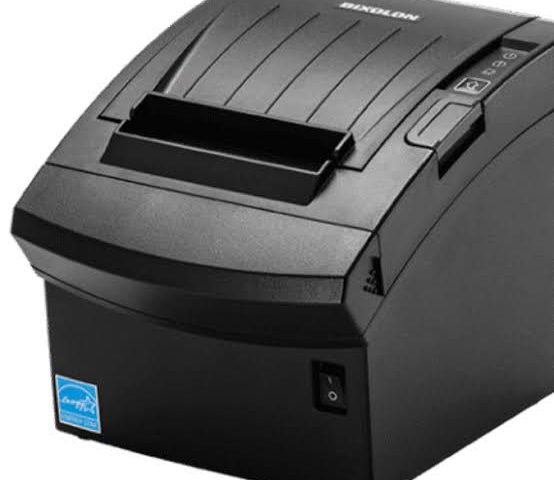
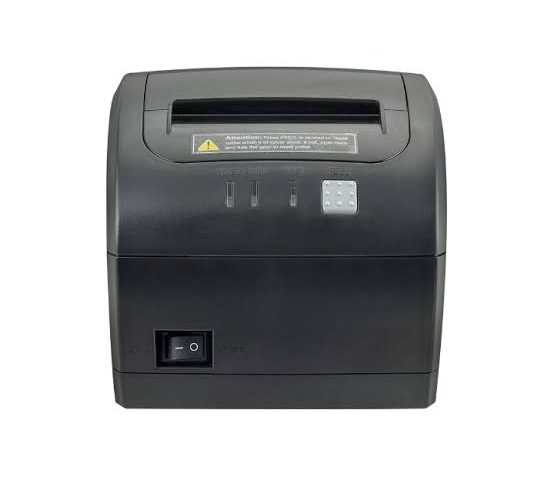
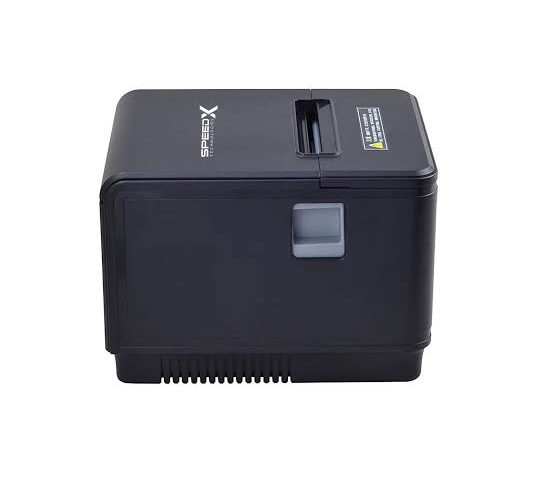
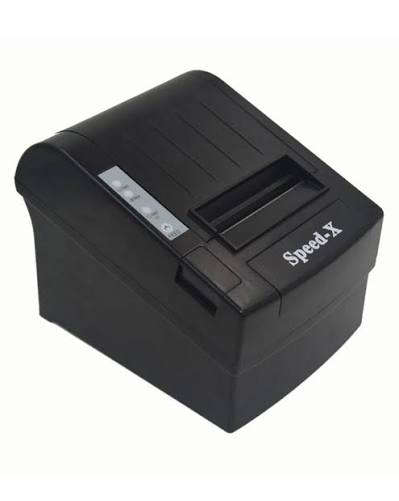
A Thermal Printer uses heat to create text, graphics, and other information on compatible printing materials. Its ability to produce receipts and labels without conventional ink cartridges in direct thermal applications makes it particularly useful for everyday retail tasks. Understanding its benefits can help store owners choose suitable equipment and improve their printing processes.
1. Faster Checkout and Transaction Processing
Customer waiting time is an important consideration in retail operations. During busy shopping periods, slow receipt printing can contribute to checkout delays and affect the overall shopping experience.
Thermal receipt printers are designed to produce transaction records quickly. Once a payment is processed through a compatible POS system, the printer can receive the information and generate a receipt within seconds.
Faster printing can help retailers:
- Process customer transactions more efficiently
- Reduce delays at checkout counters
- Manage busy shopping periods
- Support smoother payment workflows
- Improve the consistency of customer service
For supermarkets, convenience stores, and other high-traffic retailers, reliable receipt production can make everyday checkout operations easier to manage.
2. Lower Consumable Requirements
One of the main advantages of direct thermal printing is that it does not require traditional ink or toner cartridges. Instead, it uses heat-sensitive paper to create printed content.
This can simplify consumable management for retailers that print receipts throughout the day. Employees do not need to monitor ink levels or replace cartridges for routine receipt printing.
However, thermal paper remains an ongoing expense. Retailers should compare paper prices, roll sizes, availability, and expected usage when calculating the total operating cost.
Thermal transfer printers have different requirements because they use ribbons to transfer ink onto compatible materials. The appropriate technology depends on the intended printing application.
3. Compact Equipment for Checkout Counters
Retail checkout areas often contain several devices, including payment terminals, barcode scanners, cash drawers, and computers. Limited counter space makes compact equipment especially valuable.
Many thermal receipt printers have relatively small designs that fit conveniently beside POS terminals. Their compact construction can help retailers organize workstations and maintain accessible counter space.
Some models also support flexible installation arrangements, allowing businesses to select equipment that suits their available workspace.
Before purchasing, retailers should consider printer dimensions, paper-roll capacity, cable placement, and the space needed for routine paper replacement.
4. Convenient Integration with POS Systems
Modern retail businesses use POS software to process payments, record sales, track inventory, and manage transactions. A compatible thermal printer can become part of this system by receiving print instructions directly from the POS terminal.
This integration allows receipts to be generated automatically after transactions are completed. It reduces the need for employees to prepare transaction documents manually and helps maintain consistent receipt formats.
Retailers should verify operating system compatibility, available printer drivers, communication protocols, and support for their chosen POS application before purchasing equipment.
5. Clear Receipts and Barcode Printing
Printed information must be readable for customers and employees. Thermal printers can produce clear text, transaction details, logos, and supported barcodes when used with suitable materials and correct settings.
Receipts may include:
- Store name and contact information
- Product descriptions and prices
- Tax and discount details
- Payment information
- Return and exchange policies
- QR codes or other supported symbols
Barcode printing is also useful for retail inventory and product identification. Retailers should test printed codes with their actual scanners to ensure reliable reading.
6. Simplified Routine Maintenance
Retail equipment needs to remain available throughout business hours. Complicated maintenance procedures can interrupt checkout activities and place additional pressure on employees.
Thermal printers generally have fewer consumable components than conventional inkjet or laser printers used for comparable receipt-printing tasks. Routine care usually involves cleaning the printhead, removing paper dust, checking the feeding mechanism, and inspecting connections.
A basic maintenance routine can help retailers preserve print quality and reduce avoidable equipment problems.
7. Support for Inventory Management
Inventory control is essential for retailers that manage numerous products across shelves, storage areas, and distribution locations. Thermal printing helps produce labels that support product identification and stock organization.
Depending on the printer type, retailers can use thermal technology to create:
- Product identification labels
- Shelf labels and price tags
- Barcode labels
- Storage location labels
- Shipping and receiving labels
Direct thermal printing may be suitable for certain short-term labels, while thermal transfer printing can provide more durable output for applications requiring longer-lasting identification.
When connected to inventory software, compatible printers can generate labels using product information stored in the system.
8. Flexibility for Different Retail Environments
Retail businesses operate in different settings, from small independent shops to large supermarkets and specialty stores. Their printing requirements can vary according to transaction volume, product range, and workspace design.
Thermal printers are available in several configurations to support different needs.
Small retail stores: Compact receipt printers can support everyday checkout transactions without taking up excessive counter space.
Supermarkets: Faster receipt printers can help manage frequent transactions during busy shopping periods.
Clothing stores: Label printers can support product identification, pricing, and inventory organization.
Electronics retailers: Thermal labels can help identify products, manage stock, and organize shipments.
Mobile retail operations: Portable models with compatible wireless connectivity can support transactions away from fixed checkout counters.
Selecting the right configuration helps ensure that the printer matches the store’s actual workflow.
9. Reliable Performance During Busy Periods
Retail businesses may experience significant changes in transaction volume throughout the day. Weekends, seasonal promotions, and holiday shopping periods can place additional demands on printing equipment.
A printer selected for the expected workload can help maintain consistent receipt production during these periods.
Retailers should review specifications such as print speed, printhead life, cutter life, recommended duty cycle, and supported paper capacity. These details help determine whether a model is appropriate for continuous or occasional use.
Regular maintenance and compatible paper also contribute to reliable performance.
10. Wireless Printing for Flexible Store Layouts
Some modern retail environments use mobile POS devices and flexible checkout arrangements. Wireless printing can make it easier to position compatible printers without relying entirely on direct cable connections.
Depending on the model, thermal printers may support Bluetooth or Wi-Fi connectivity. These interfaces can allow compatible tablets, smartphones, and POS systems to send print commands.
Wireless printing can be useful for temporary checkout stations, mobile sales counters, and businesses that change their layouts frequently.
Before choosing a wireless model, retailers should confirm device compatibility, connection stability, network requirements, and available security features.
11. Better Organization of Sales Records
Accurate transaction records help retailers manage returns, exchanges, customer inquiries, and accounting processes. Thermal receipt printers can produce standardized documents containing essential purchase information.
When connected to POS software, they can automatically include transaction numbers, item details, payment information, and other relevant data.
Businesses can also combine printed receipts with digital recordkeeping. This provides another way to access transaction information without relying exclusively on physical documents.
For records that must be preserved for long periods, retailers should consider suitable storage conditions or digital copies because direct thermal receipts can fade over time.
12. Potential for Improved Cost Management
Retailers often evaluate equipment based on its total cost of ownership rather than its initial purchase price. Thermal printing can offer cost advantages in specific applications, particularly when direct thermal technology eliminates the need for ink and toner cartridges.
However, businesses should consider several expenses before making a decision:
- Initial printer purchase price
- Thermal paper or label costs
- Ribbon expenses for thermal transfer models
- Cleaning and maintenance requirements
- Replacement parts and equipment lifespan
- Potential downtime and service costs
A realistic cost comparison helps retailers determine whether a particular printer offers suitable value for their transaction volume and operational needs.
13. Supporting Digital and Sustainable Retail Practices
Retail businesses are increasingly exploring ways to reduce unnecessary paper consumption and improve resource management. Thermal printers can support these efforts when used as part of an organized printing strategy.
For example, stores can optimize receipt layouts, avoid unnecessary duplicate copies, and offer digital receipts where appropriate. These practices can reduce paper usage without eliminating the option of printed transaction records.
Retailers should also consider the sourcing and disposal requirements of thermal paper. Not all thermal paper has the same material composition or recycling suitability, so businesses should follow local disposal guidance.
Factors to Consider When Choosing a Thermal Printer for Retail
Although thermal printing offers several advantages, the best model depends on the store’s specific requirements.
Retailers should evaluate the following factors:
- Printing purpose: Determine whether the printer will produce receipts, product labels, price tags, or shipping documents.
- Print speed: Choose a model that can handle the expected transaction volume.
- Resolution: Ensure that text and barcodes are clear enough for their intended use.
- Connectivity: Check compatibility with POS terminals, computers, and mobile devices.
- Paper compatibility: Confirm supported paper widths, roll sizes, and media specifications.
- Physical design: Consider available counter space and installation requirements.
- Technical support: Review warranty coverage, driver availability, and access to replacement parts.
Testing the printer with the store’s actual POS system before purchasing multiple units can help identify compatibility issues.
Conclusion
Thermal printers provide several practical benefits for retail businesses, including fast receipt production, simplified consumable management, compact designs, and integration with compatible POS systems. They also support product labeling, inventory organization, and other everyday store operations.
However, successful implementation depends on choosing equipment that matches the store’s printing volume, software, paper requirements, and working environment. By evaluating these factors carefully, retailers can select a suitable printing solution that supports efficient transactions and organized business operations.