
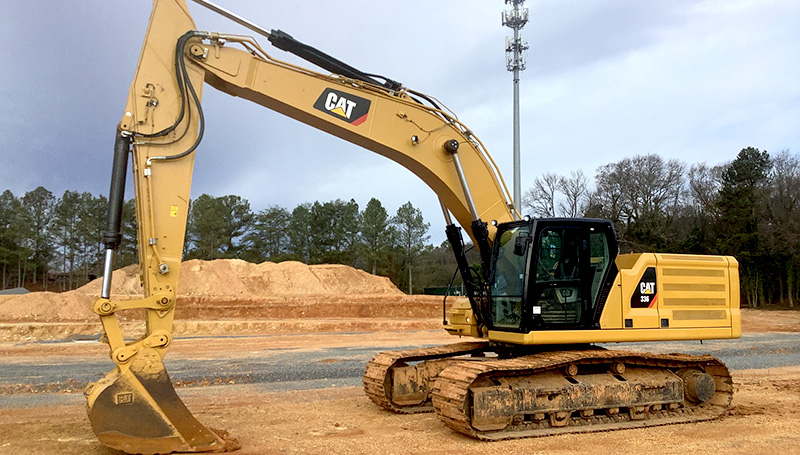
The global construction and heavy equipment industry has experienced a remarkable transformation over the past few decades. Excavators, which are essential for excavation, demolition, mining, and infrastructure development, have become one of the most important machines in modern engineering. Among the key contributors to this evolution are Chinese manufacturers, who have expanded from local production bases into highly integrated global supply chain leaders.
Table of Contents
ToggleChina’s excavator industry has developed rapidly due to strong domestic demand, industrial modernization, and continuous investment in manufacturing capabilities. What began as a locally focused production sector has now evolved into a globally competitive industry supplying machinery to projects across continents. A closer look at Chinese Excavator Manufacturers shows how these companies have built extensive supply chains, improved engineering standards, and strengthened their international presence through strategic expansion and innovation.
Evolution from Local Manufacturing to Industrial Expansion
The early development of China’s excavator industry was primarily driven by domestic infrastructure needs. Large-scale construction projects such as highways, bridges, railways, and urban development created strong demand for construction machinery.
Initially, manufacturers focused on producing basic and cost-effective equipment to meet internal market requirements. However, as industrial capabilities improved, companies began investing in advanced production technologies, research and development, and automation systems.
Over time, this shift enabled Chinese excavator manufacturers to move beyond local markets and establish themselves as global suppliers of heavy equipment.
Integration into Global Supply Chains
One of the most significant developments in the industry has been the integration of Chinese manufacturers into global supply chains. Today, Chinese excavator producers not only manufacture machines but also supply components, spare parts, and complete equipment to international markets.
This integration has been made possible through efficient logistics networks, advanced manufacturing systems, and strong partnerships with global distributors. Many companies have established overseas warehouses, assembly plants, and service centers to improve delivery efficiency and customer support.
By becoming part of international supply networks, Chinese manufacturers have strengthened their global competitiveness and ensured faster response times to market demand.
Cost Efficiency and Large-Scale Production Advantage
A major factor driving the global expansion of Chinese excavator manufacturers is cost efficiency. Large-scale production facilities, combined with optimized supply chains, allow companies to significantly reduce manufacturing costs.
This cost advantage enables them to offer excavators at competitive prices while maintaining acceptable quality standards. For many international buyers, especially in developing regions, affordability is a key factor in purchasing decisions.
Despite lower costs, continuous improvements in engineering and production processes ensure that machines remain reliable and efficient for a wide range of construction applications.
Technological Advancements in Manufacturing
Technology plays a crucial role in the transformation of Chinese excavator manufacturers into global supply chain leaders. Modern production facilities use automation, robotics, and digital systems to improve manufacturing precision and efficiency.
Advanced hydraulic systems, electronic control units, and smart monitoring technologies are now standard in many excavator models. These innovations enhance machine performance, fuel efficiency, and operational accuracy.
Telematics systems also allow real-time tracking of equipment performance, enabling better fleet management and maintenance planning. These technological advancements have helped Chinese manufacturers compete more effectively with established global brands.
Expansion of Global Distribution Networks
Chinese excavator manufacturers have significantly expanded their global distribution networks over the past decade. They have established dealerships, subsidiaries, and service centers in key regions such as Southeast Asia, Africa, the Middle East, and South America.
These regions represent strong growth markets where infrastructure development is rapidly increasing. By building localized networks, Chinese companies ensure better accessibility, faster delivery, and improved after-sales service.
International trade exhibitions and infrastructure partnerships have further strengthened their global visibility and market presence.
Improvements in Quality and Engineering Standards
In the past, Chinese excavators were often associated with lower quality compared to global competitors. However, this perception has changed significantly due to improvements in engineering standards and manufacturing processes.
Today, manufacturers use high-strength materials, precision engineering techniques, and strict quality control systems. Each machine undergoes extensive testing to ensure durability and reliability under demanding conditions.
Compliance with international certifications and industry standards has also improved global acceptance of Chinese equipment.
Role in Global Infrastructure Development
Chinese excavators play a vital role in global infrastructure development projects. They are widely used in road construction, mining, urban development, and energy infrastructure projects across multiple continents.
In developing countries, these machines are particularly valuable due to their affordability and availability. They help accelerate construction timelines while reducing overall project costs.
Their versatility allows them to perform multiple tasks, including digging, lifting, grading, and material handling, making them essential for large-scale construction operations.
Supply Chain Efficiency and Logistics Strength
A key factor behind the global success of Chinese excavator manufacturers is their highly efficient supply chain system. Manufacturers have optimized procurement, production, and distribution processes to reduce delays and improve responsiveness.
Strong domestic industrial clusters support fast access to raw materials and components, reducing production bottlenecks. Advanced logistics networks ensure efficient transportation of finished equipment to international markets.
Many companies also maintain regional warehouses and spare parts hubs to ensure continuous availability of components for global customers.
Innovation and Digital Transformation
Digital transformation has become a core element of China’s excavator manufacturing industry. Companies are increasingly adopting smart technologies such as artificial intelligence, machine learning, and IoT-based monitoring systems.
These technologies improve machine diagnostics, predict maintenance needs, and enhance operational efficiency. Automation in production also increases consistency and reduces human error.
Such innovations are helping Chinese manufacturers transition from traditional production models to advanced, technology-driven supply chain systems.
Sustainability and Environmental Responsibility
Sustainability is becoming an important focus for Chinese excavator manufacturers. Many companies are investing in electric and hybrid excavators to reduce emissions and improve energy efficiency.
These machines are particularly useful in urban environments where environmental regulations are strict. Manufacturers are also adopting greener production processes to reduce environmental impact.
Improvements in fuel efficiency and engine performance further contribute to more sustainable operations.
Challenges in Global Supply Chain Expansion
Despite strong progress, Chinese excavator manufacturers still face challenges in global supply chain expansion. Competition from established international brands remains strong, particularly in premium markets.
Logistics complexities, regulatory differences, and fluctuating global demand can also impact supply chain efficiency. Additionally, maintaining consistent quality across large-scale production continues to be a challenge.
However, ongoing investment in innovation, automation, and global partnerships is helping address these issues effectively.
Future Outlook of Chinese Excavator Manufacturers
The future of Chinese excavator manufacturers in global supply chains looks highly promising. As global infrastructure demand continues to grow, the need for efficient and cost-effective machinery will increase.
Advancements in automation, electrification, and digital manufacturing will further strengthen supply chain efficiency and product performance. Chinese manufacturers are expected to play an even greater role in global industrial ecosystems.
With continued expansion and technological development, they are well positioned to remain key contributors to the global heavy equipment industry.
Conclusion
Chinese excavator manufacturers have successfully evolved from local producers into major participants in global supply chains. Their success is driven by cost efficiency, technological innovation, and strong international distribution networks.
While challenges remain, continuous improvements in quality, sustainability, and logistics are strengthening their global position. As the industry continues to evolve, Chinese manufacturers are set to play a central role in shaping the future of excavator production and global construction supply chains.