PETG has emerged as a highly versatile thermoplastic used across manufacturing and packaging sectors. Its combination of strength, clarity, and chemical resistance makes it suitable for both functional and aesthetic applications. As industries continue to demand materials that balance performance with efficiency, PETG stands out as a reliable solution.
In both large-scale production and custom fabrication, PETG plays a crucial role due to its adaptability and ease of processing. It supports a wide range of manufacturing techniques, including 3D printing, thermoforming, and injection molding, making it a preferred material for diverse industrial needs.
Understanding PETG in Industrial Context
PETG (Polyethylene Terephthalate Glycol) is a modified plastic designed to improve durability and reduce brittleness. This enhancement allows it to maintain structural integrity under stress while remaining easy to shape and mold.
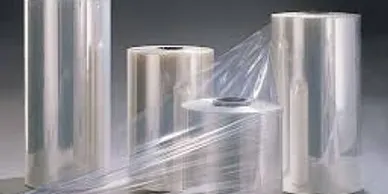
Its transparency and food-safe potential further extend its usability in packaging, particularly where product visibility and hygiene are essential. These characteristics make PETG a practical alternative to more rigid or less adaptable materials.
Applications of PETG in Manufacturing
Manufacturing industries rely on materials that offer both performance and efficiency. PETG fulfills these requirements through its mechanical strength and processing flexibility.
Prototyping and Product Development
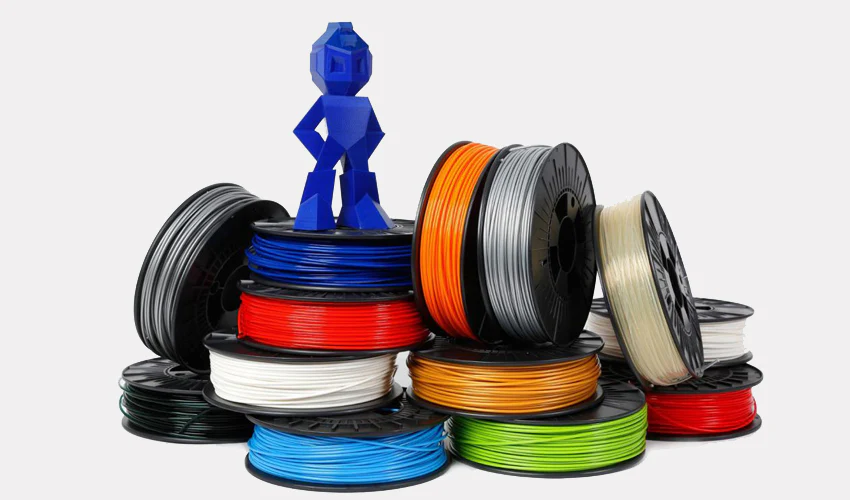
PETG is widely used in rapid prototyping, especially in 3D printing. Its excellent layer adhesion and minimal warping allow engineers to create accurate and durable prototypes quickly.
- Functional prototypes with real-world durability
- Design validation models
- Low-volume production parts
This reduces development time and enables faster product iteration.
Mechanical Components
PETG is suitable for manufacturing parts that require moderate strength and flexibility. It performs well under repeated stress and is less likely to crack compared to brittle materials.
Common examples include:
- Gears and brackets
- Protective housings
- Machine covers
Its durability makes it ideal for components that must withstand daily use.
Industrial Tooling
In industrial settings, PETG is used to create custom tools, jigs, and fixtures. These tools benefit from PETG’s strength and resistance to wear.
- Assembly aids
- Positioning fixtures
- Custom guides
Its ease of fabrication allows manufacturers to produce tools quickly and cost-effectively.
Outdoor and Protective Equipment
PETG’s resistance to moisture and environmental factors makes it suitable for outdoor applications.
- Protective covers
- Enclosures for electronics
- Safety guards
These components maintain performance even in challenging conditions.
Applications of PETG in Packaging Industry
The packaging industry values materials that are safe, durable, and visually appealing. PETG meets all these requirements, making it widely used in various packaging solutions.
Food and Beverage Packaging
PETG is commonly used for containers, bottles, and food packaging due to its clarity and potential food-safe properties.
- Transparent containers for product visibility
- Bottles for beverages and liquids
- Hygienic packaging solutions
Its resistance to moisture ensures product freshness and safety.
Blister Packaging
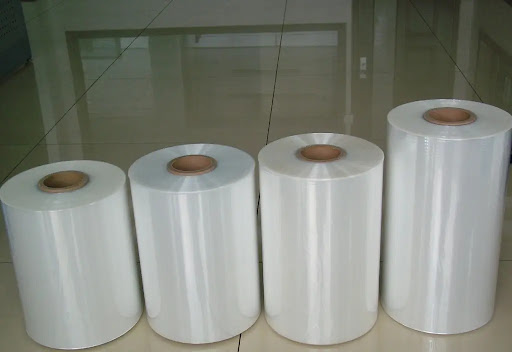
Blister packs made from PETG are widely used in retail and pharmaceuticals. The material provides excellent clarity and protection.
- Pharmaceutical packaging
- Consumer goods packaging
- Electronics packaging
PETG’s toughness ensures that products remain secure during transportation and handling.
Cosmetic and Retail Packaging
PETG’s glossy finish and transparency make it ideal for premium packaging designs.
- Cosmetic containers
- Display packaging
- Custom retail boxes
It enhances product presentation while maintaining durability.
Medical Packaging
In the medical field, PETG is used for packaging sterile instruments and equipment. Its chemical resistance and strength make it suitable for sensitive applications.
- Sterile trays
- Medical device packaging
- Protective covers
These applications require materials that maintain integrity under strict conditions.
Advantages of PETG in Manufacturing and Packaging
PETG offers several benefits that make it a preferred material across industries:
- High impact resistance and durability
- Excellent clarity for visibility and aesthetics
- Resistance to chemicals and moisture
- Easy processing through multiple manufacturing methods
- Good balance of rigidity and flexibility
These advantages contribute to reduced production costs and improved product performance.
Limitations to Consider
While PETG is highly versatile, it is important to consider its limitations in industrial applications:
- Moderate heat resistance compared to some engineering plastics
- Prone to surface scratching
- Slight flexibility may not suit rigid structural applications
- Requires proper handling during processing to avoid stringing in 3D printing
Understanding these factors helps manufacturers select the right material for specific use cases.
Conclusion
PETG plays a significant role in both manufacturing and packaging industries due to its durability, flexibility, and chemical resistance. Its ability to adapt to different production methods and application requirements makes it a dependable choice for modern industrial needs.
From functional prototypes to high-quality packaging solutions, PETG continues to support innovation and efficiency across sectors. Its balanced properties ensure that it remains a practical and widely used material in today’s evolving industrial landscape.