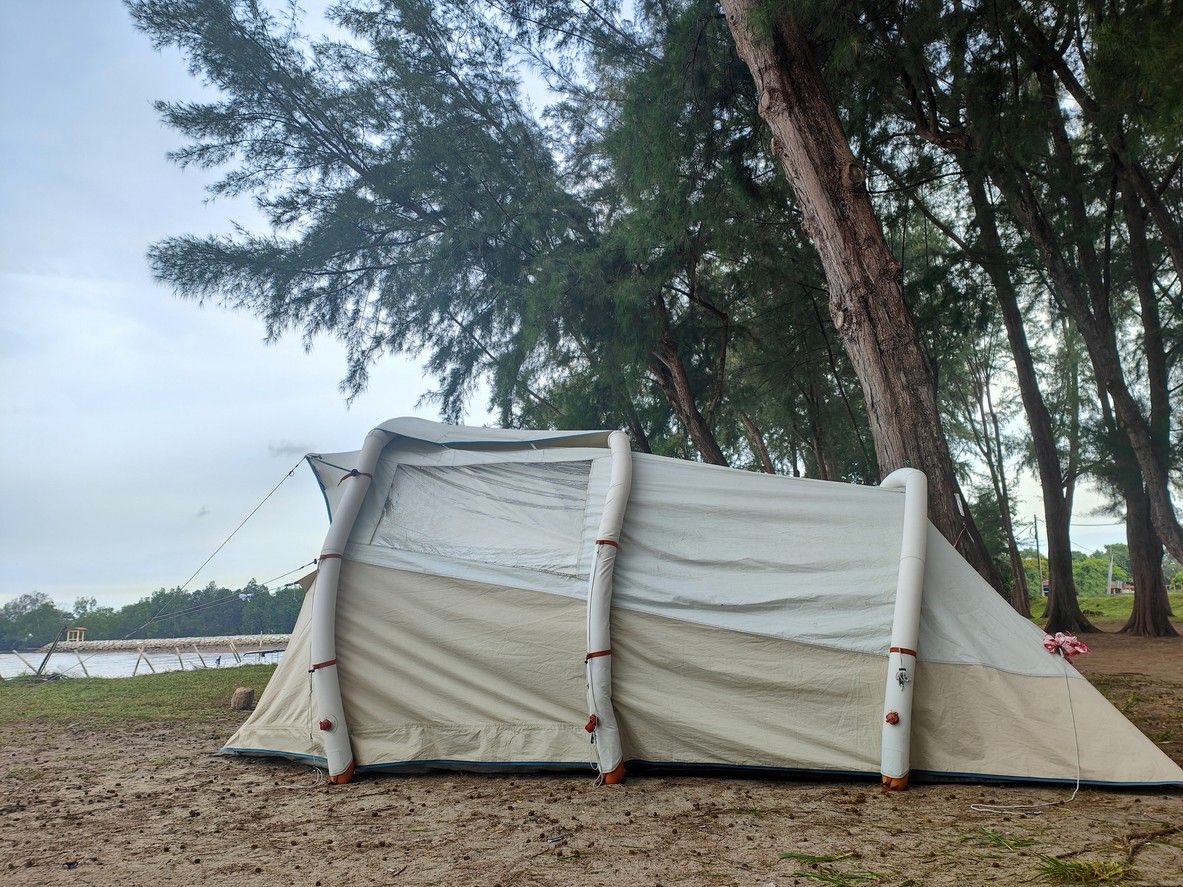
Rapid deployment military tents are essential assets for modern armed forces, emergency response teams, and field operations. These tents provide temporary shelters for command centers, medical units, storage facilities, and personnel accommodations. The key requirement for these structures is their ability to be quickly set up and taken down while maintaining durability, stability, and safety. Achieving this balance requires specialized manufacturing techniques tailored for military-grade performance.
Professional Inflatable Military Tent Manufacturers employ a combination of advanced materials, precision engineering, and innovative construction processes to create tents that meet the rigorous demands of rapid deployment in diverse and challenging environments.
Material Selection and Preparation
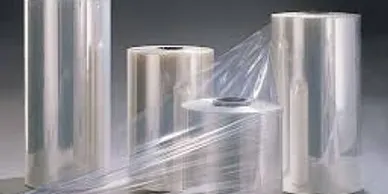
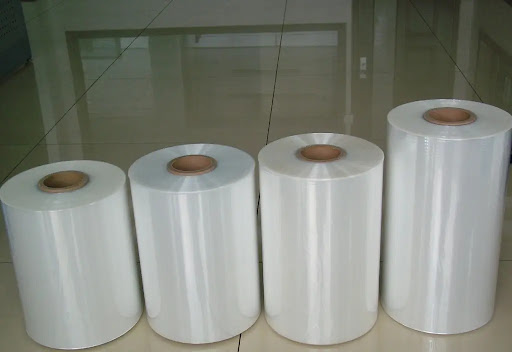
The first step in manufacturing rapid deployment military tents is selecting high-performance materials. Durable fabrics such as PVC-coated polyester, Oxford fabric with PU coatings, and laminated airtight textiles are commonly used. These materials are lightweight yet resistant to tearing, abrasion, water, and UV exposure.
During manufacturing, fabrics are carefully inspected for defects, consistency in thickness, and tensile strength. Coatings for fire retardancy, chemical resistance, and UV protection are applied to enhance the safety and longevity of the tent. Pre-treated materials ensure that tents can withstand repeated use and extreme environmental conditions without compromising structural integrity.
Cutting and Pattern Design
Precision cutting is a critical step in the production of inflatable military tents. Fabric panels are cut using automated cutting machines or CNC systems to achieve exact dimensions and reduce material waste. Accurate cutting ensures proper alignment of panels during assembly, which is vital for airtight sealing and structural stability.
Pattern design incorporates considerations for multi-chamber layouts, reinforcements at stress points, and integration of functional features such as doors, windows, ventilation systems, and anchoring points. Advanced software is often used to simulate inflation and load distribution, ensuring that the final design maintains balance and durability under operational conditions.
Seam Sealing and Assembly Techniques
Seam construction is a cornerstone of rapid deployment military tent manufacturing. High-frequency welding, reinforced stitching, and double-layered seam tapes are commonly used to create airtight, durable joints. Multi-chamber designs are assembled with internal baffles to distribute air evenly, preventing weak points and improving stability during inflation.
Valves, zippers, and connection points are integrated during assembly, with additional reinforcements at high-stress areas. The combination of precise seam work and careful assembly ensures that tents are both strong and lightweight, facilitating rapid deployment without compromising safety.
Inflation System Integration
Rapid deployment military tents rely on efficient inflation systems to minimize setup time. Air chambers, baffles, and pressure-relief valves are integrated into the design to maintain uniform pressure and structural integrity. High-quality valves and connectors are tested to prevent leaks and ensure that the tent can withstand variable air pressure over extended periods.
Some manufacturing techniques involve modular air chambers, allowing sections to be inflated independently. This approach increases flexibility and reduces inflation time, making the tents ideal for field conditions where speed and reliability are critical.
Reinforcements and Structural Enhancements
Reinforcements are strategically added to areas of the tent that experience high tension, such as corners, anchor points, and entryways. Heavy-duty patches, additional stitching, and reinforced loops contribute to long-term durability and resilience.
Manufacturers also incorporate design elements such as tension rods, support frames, and ground anchors that enhance stability without significantly increasing setup complexity. These enhancements ensure that rapid deployment tents remain stable under wind, rain, or uneven terrain.
Testing and Quality Assurance
Quality control is integrated throughout the manufacturing process. Each tent undergoes inflation tests, air retention assessments, and stress evaluations to confirm that the structure meets operational requirements. Fire safety, chemical resistance, and UV protection are tested to ensure compliance with military standards.
By conducting comprehensive inspections at every stage—from material selection to final assembly—manufacturers can guarantee that tents perform reliably during rapid deployment scenarios, even in extreme conditions.
Modularity and Portability Considerations
Rapid deployment military tents are designed to be modular and lightweight. Components are often pre-assembled into sections that can be connected on-site, reducing setup time and increasing flexibility. Compact folding and storage techniques allow tents to be easily transported in military vehicles, aircraft, or by small teams, enhancing mobility and operational efficiency.
Conclusion
Manufacturing rapid deployment military tents involves a combination of advanced material selection, precise cutting, reinforced assembly, integrated inflation systems, and rigorous testing. Professional inflatable military tent manufacturers utilize these techniques to produce tents that are durable, stable, safe, and capable of quick deployment in diverse operational environments. By combining lightweight construction with structural integrity and modular design, these tents provide reliable shelter and operational support for military, emergency, and field applications, meeting the high standards required for critical missions.