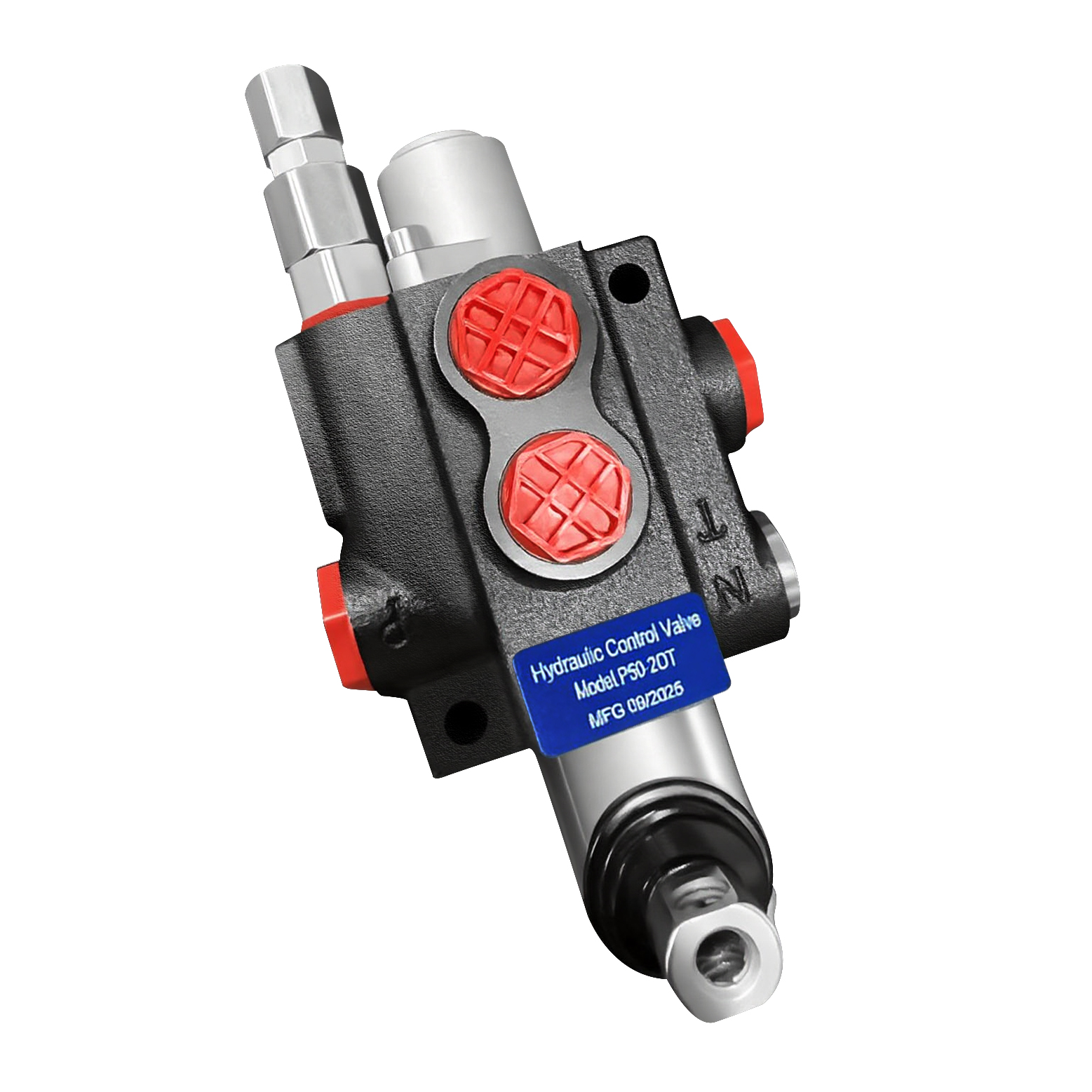
Hydraulic systems are designed around specific combinations of pressure, flow, load, speed, and control requirements. A valve that performs well in one application may not provide the same results in another, particularly when operating conditions, actuator sizes, or machine layouts differ.
A customized hydraulic control valve can be optimized around the actual requirements of a hydraulic circuit instead of forcing the system to accommodate a standard configuration. The process involves evaluating hydraulic performance, physical integration, materials, control characteristics, operating conditions, and long-term service requirements.
Start With the Complete Hydraulic System
Valve optimization should begin with the entire hydraulic circuit rather than the valve alone. The pump, reservoir, filters, actuators, hoses, fittings, and other control components all influence valve performance.
Reviewing the hydraulic schematic helps identify where pressure losses occur, how fluid is distributed, and which functions operate simultaneously. This provides a better foundation for determining the valve’s actual requirements.
Define Operating Pressure
Pressure is one of the most important valve specifications. Engineers should identify normal working pressure as well as maximum and transient pressure conditions.
The valve body and internal components must be suitable for the expected pressure range. Pressure settings should also be coordinated with other protection and control components within the hydraulic circuit.
Establish the Required Flow Range
Flow requirements should be based on the actual operating cycle of the machine.
Instead of considering only maximum flow, evaluate minimum, normal, and peak flow conditions. This can help determine whether the valve provides adequate control across the full range without creating unnecessary pressure losses.
Optimize Valve Sizing
Correct valve sizing is essential for balancing flow capacity and control.
An undersized valve may create excessive pressure drop, while an oversized valve can make precise control more difficult and increase physical size or cost. Selecting the appropriate internal flow capacity requires consideration of both performance and operating conditions.
Reduce Unnecessary Pressure Drop
Pressure drop across a valve represents energy lost from the hydraulic system. Excessive restriction can increase heat generation and reduce overall efficiency.
Internal passages, orifices, spool geometry, and connection sizes can be evaluated to reduce unnecessary resistance while retaining the required level of hydraulic control.
Match the Valve to the Actuator
The actuator should be considered when optimizing valve characteristics. Hydraulic cylinders and motors have different flow and pressure requirements depending on their dimensions and loads.
For cylinders, required flow is closely related to piston area and desired speed. For hydraulic motors, flow and pressure requirements depend on displacement, speed, torque, and load.
Consider Load Variations
Machines rarely operate under one fixed load. Changes in load can affect pressure, actuator speed, and control response.
The valve should be evaluated under representative load conditions. Where necessary, pressure-compensated or load-control functions can be considered to improve predictable operation.
Optimize Flow-Control Characteristics
Flow control should provide the actuator speed required by the application without excessive throttling.
For precise machinery, gradual and predictable flow changes may be more important than maximum flow capacity. For high-productivity equipment, higher flow capacity may take priority.
The appropriate characteristics depend on the machine’s function and duty cycle.
Review Pressure-Control Functions
A valve may need to provide one or more pressure-control functions, such as pressure relief, pressure reduction, load holding, or counterbalance control.
Each function should be matched to the specific hydraulic requirement. Adding unnecessary functions can increase complexity, while omitting a required function can compromise system performance.
Optimize Response Time
Response time can affect machine productivity and movement accuracy.
Valve response depends on the valve design, actuation method, fluid properties, pressure conditions, and control signals. Optimization should therefore consider the complete hydraulic and control system rather than focusing on one component in isolation.
Select the Appropriate Actuation Method
The valve’s actuation method should match the machine’s control architecture.
Possible approaches include:
- Manual actuation
- Mechanical actuation
- Hydraulic actuation
- Pneumatic actuation
- Solenoid actuation
- Electro-hydraulic control
Automated machinery may require precise electronic control, while simpler equipment may benefit from a mechanical or manual arrangement.
Consider Installation Space
Hydraulic systems often have physical constraints that affect valve selection. A valve may need to fit within a narrow compartment or align with existing hydraulic lines.
Custom body dimensions, mounting holes, port locations, and connection orientations can be optimized around the available space without compromising the valve’s functional requirements.
Optimize Port Configuration
Port arrangement can influence both installation and hydraulic efficiency.
Shorter and more direct hydraulic connections can reduce unnecessary fittings and bends. When designing a custom valve, port size, thread type, location, and orientation should be considered alongside the machine’s existing plumbing.
Choose Materials Based on Conditions
Material selection should reflect the valve’s operating environment.
Factors such as pressure, temperature, hydraulic fluid, corrosion exposure, wear, and vibration can influence the appropriate material combination. The valve body and internal components may require different material characteristics.
Select Suitable Sealing Components
Seals should be compatible with the hydraulic fluid, pressure, temperature, and movement involved.
For dynamic components, seal friction and wear must also be considered. Correct groove dimensions, clearances, surface finishes, and installation procedures are important for maintaining reliable sealing.
Account for Temperature
Temperature affects hydraulic fluid viscosity and the behavior of materials and seals.
A valve optimized for a narrow temperature range may behave differently when exposed to extreme heat or cold. The expected operating temperature should therefore be included in the design and validation process.
Control Contamination
Clean hydraulic fluid is essential for precision valve components. Particles can damage surfaces, cause sticking, increase leakage, and accelerate wear.
Optimization should consider filtration, fluid cleanliness, assembly practices, and maintenance procedures. The valve should be evaluated as part of the system’s overall contamination-control strategy.
Design for Maintenance
A technically optimized valve should also be practical to maintain.
Consider the accessibility of connections, replaceable seals, inspection points, and other serviceable components. A design that is difficult to access may increase maintenance time even if its hydraulic performance is excellent.
Evaluate Energy Efficiency
Hydraulic efficiency depends on how effectively pressure and flow are converted into useful mechanical work.
Unnecessary throttling, excessive leakage, and poorly sized passages can waste energy. Valve optimization should aim to provide the required control while minimizing avoidable pressure losses.
Consider Noise and Vibration
Hydraulic valves can contribute to system noise through pressure fluctuations, turbulence, rapid switching, and mechanical movement.
If noise or vibration is a concern, valve geometry, operating pressure, flow rate, actuation speed, and mounting conditions should be evaluated together.
Validate the Design Through Testing
Calculations and simulations can support the design process, but physical testing is important for confirming actual performance.
Depending on the application, testing may include:
- Pressure testing
- Flow testing
- Pressure-drop measurement
- Leakage testing
- Response testing
- Temperature testing
- Endurance testing
Test conditions should represent the intended operating environment as closely as practical.
Compare Performance Against System Targets
Optimization is easier when measurable targets are established before testing.
Useful performance indicators may include pressure stability, flow accuracy, response time, leakage rate, operating temperature, energy consumption, and cycle consistency.
Comparing test results with these targets helps determine whether further design changes are necessary.
Avoid Over-Customization
Customization should solve specific engineering problems rather than add complexity without a clear purpose.
Every additional feature can influence manufacturing, inspection, maintenance, and cost. The most practical design is usually one that includes the features required by the application while retaining proven design principles wherever possible.
Work From Accurate Technical Data
Poor input data can lead to an unsuitable valve design. Before finalizing specifications, engineers should verify:
- Working and peak pressure
- Minimum and maximum flow
- Actuator type and dimensions
- Load characteristics
- Hydraulic fluid
- Temperature range
- Control signals
- Installation dimensions
- Connection requirements
- Duty cycle
- Environmental conditions
Accurate information reduces the likelihood of redesign and helps ensure that the valve is optimized for actual operating conditions.
When Optimization Is Most Valuable
Optimization is particularly useful when a hydraulic system has demanding or unusual requirements.
Examples include compact mobile machinery, automated production equipment, high-cycle systems, specialized lifting equipment, and machines that require precise control under changing loads.
In these situations, small improvements in pressure drop, response, leakage, or flow control can influence overall machine performance.
Conclusion
Optimizing a hydraulic valve requires more than selecting a pressure rating and flow capacity. The valve must work effectively with the pump, actuators, controls, fluid, piping, and operating environment.
A customized hydraulic control valve provides an opportunity to align these characteristics with the specific hydraulic system. By optimizing valve sizing, internal flow paths, pressure and flow control, actuation, materials, sealing, installation, and maintenance requirements, engineers can develop a solution that balances performance, efficiency, reliability, and practical manufacturing considerations.