Fire safety is a top priority for any residential, commercial, or industrial building. Fires can ignite unexpectedly, and early detection and suppression are crucial for minimizing damage and protecting lives. One of the most effective solutions for automatic fire control is the installation of a fire sprinkler system. These systems detect heat and discharge water to suppress fires quickly, reducing the risk of escalation and ensuring occupant safety. Understanding how fire sprinkler systems work, their benefits, and proper maintenance is essential for a safe environment.
Understanding a Fire Sprinkler System
A fire sprinkler system is an integrated network of pipes, valves, and sprinkler heads designed to deliver water or other extinguishing agents when a fire is detected. Sprinkler systems are highly effective because they respond automatically, often before occupants or emergency services can intervene. They are widely used in high-rise buildings, commercial properties, warehouses, and industrial facilities where fire risks are significant.
The system is designed to target specific zones, releasing water only where heat is detected. This controlled response prevents unnecessary water damage while effectively suppressing flames.
Types of Fire Sprinkler Systems
Wet Pipe Systems
Wet pipe systems are the most common and consist of water-filled pipes that discharge immediately when a sprinkler head is activated. They are simple, reliable, and ideal for buildings where freezing temperatures are not a concern.
Dry Pipe Systems
Dry pipe systems contain pressurized air or nitrogen in the pipes. Water is released only when a fire triggers the sprinkler head, making these systems suitable for unheated areas like warehouses or cold storage facilities.
Deluge Systems
Deluge systems use open sprinkler heads and are connected to a water supply controlled by a valve. When triggered by a fire detection system, water flows simultaneously through all sprinkler heads. These systems are typically used in high-hazard areas, such as chemical plants or manufacturing facilities.
Pre-Action Systems
Pre-action systems combine elements of wet and dry pipe systems. They require both a detection signal and the activation of sprinkler heads to release water. This system is often used in sensitive environments like server rooms or museums where accidental water discharge must be avoided.
Key Benefits of Fire Sprinkler Systems
Rapid Fire Suppression
Fire sprinkler systems respond quickly to heat, often suppressing flames before they spread. Early intervention significantly reduces property damage and increases occupant safety.
Life Safety
Sprinklers provide critical time for evacuation, helping to prevent injuries and fatalities. By controlling fire spread, they create safer exit routes and minimize smoke inhalation risks.
Property Protection
Automated suppression limits structural damage and protects valuable assets. Businesses can save significantly on repair costs and insurance claims by investing in an efficient sprinkler system.
Regulatory Compliance
Many countries, including Singapore, have strict fire safety regulations requiring sprinkler systems in specific building types. Compliance ensures legal adherence and may also reduce insurance premiums.
Cost-Effective Solution
Though installation costs can be substantial, sprinklers reduce potential fire losses and long-term expenses, making them a cost-effective investment for building safety.
Components of a Fire Sprinkler System
A typical fire sprinkler system consists of several key components:
-
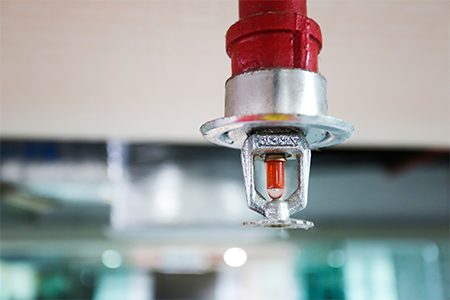
Sprinkler Heads: Disperse water over the fire area when activated.
-
Pipes and Fittings: Transport water from the supply to the sprinklers.
-
Valves: Control the flow of water and isolate sections for maintenance.
-
Alarm Devices: Notify occupants and emergency services when sprinklers are activated.
-
Detection Systems: Some systems use heat or smoke detectors to trigger water flow.
Proper design and installation ensure that each component functions reliably when needed.
Maintenance and Testing
Regular maintenance is crucial for fire sprinkler systems to operate effectively. Certified professionals inspect, test, and service systems according to local fire safety standards. Key maintenance activities include:
-
Visual Inspections: Check for corrosion, leaks, and obstruction of sprinkler heads.
-
Flow Testing: Ensure adequate water pressure and distribution throughout the system.
-
Valve Operation: Confirm that control valves open and close properly.
-
Alarm Testing: Verify that alarm systems activate correctly during a fire event.
-
Documentation: Maintain service records to comply with regulatory requirements and insurance obligations.
Neglecting maintenance can lead to system failure, putting lives and property at risk.
Selecting a Fire Sprinkler System
When choosing a fire sprinkler system, consider:
-
Building Type: High-rise, industrial, commercial, or residential properties may require different systems.
-
Environmental Conditions: Dry pipe systems are preferred for unheated areas, while wet pipe systems suit standard indoor environments.
-
Hazard Level: High-risk areas may require deluge or pre-action systems.
-
Regulatory Compliance: Ensure the system meets Singapore fire safety codes and standards.
-
Professional Installation: Certified technicians guarantee proper design, installation, and commissioning.
The Role of Fire Safety Awareness
Installing a fire sprinkler system is only part of a comprehensive fire safety strategy. Occupants should also receive training on evacuation procedures, fire alarms, and basic fire response. Regular drills and safety workshops enhance preparedness and reduce panic during emergencies.
Conclusion
A fire sprinkler system is a vital investment in fire protection for any building. Automatic detection and suppression prevent fire escalation, safeguard lives, and protect property. Selecting the appropriate system, ensuring professional installation, and conducting regular maintenance are critical steps for optimal performance.
By prioritizing fire safety and integrating a well-designed sprinkler system, building owners and occupants can minimize risk, comply with regulations, and create a safer environment for everyone.