
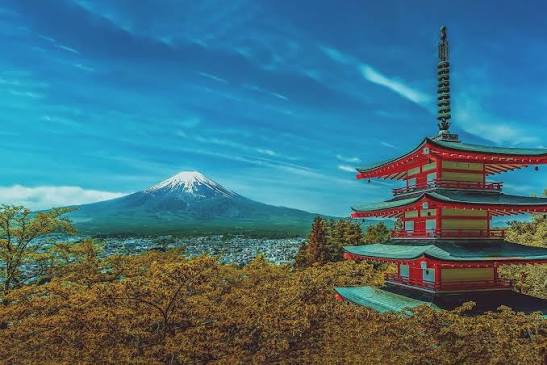
Japan offers an impressive variety of cities, each with its own atmosphere, attractions, and cultural experiences. From lively metropolitan districts filled with modern architecture to historic neighborhoods that preserve centuries of tradition, the country provides destinations for almost every type of traveler. Choosing the right cities can make a vacation more rewarding by balancing sightseeing, shopping, food, relaxation, and cultural discovery.
When planning a journey, travelers considering a ทัวร์ญี่ปุ่น can explore several destinations in one itinerary rather than concentrating on a single location. Japan’s efficient transportation network makes it possible to experience major cities, regional attractions, and scenic areas during one trip, although spending enough time in each destination is important for enjoying its character.
Tokyo: A Dynamic Capital City
Tokyo is an excellent starting point for visitors who want to experience contemporary Japan. The city combines business districts, fashionable shopping areas, entertainment centers, traditional temples, and neighborhood restaurants. Travelers can explore Shibuya’s busy streets, visit the fashionable boutiques of Harajuku, or enjoy the sophisticated atmosphere of Ginza.
Tokyo also has quieter attractions. Asakusa offers historic streets and the famous Senso-ji Temple, while Ueno provides museums, green spaces, and seasonal scenery. Visitors can easily spend several days discovering different districts because each neighborhood presents a distinct experience. Tokyo suits travelers who enjoy variety, convenience, and the excitement of a large city.
Kyoto: Traditional Architecture and Cultural Heritage
Kyoto is particularly appealing to people interested in Japanese history and traditional culture. The city was Japan’s former imperial capital and remains known for its temples, shrines, gardens, and historic streets. Walking through Higashiyama reveals preserved architecture, small shops, and scenic pathways that create an atmosphere different from modern urban centers.
Famous attractions include Kinkaku-ji, the Golden Pavilion, and Fushimi Inari Taisha, which is known for its rows of red torii gates. Visitors can also explore traditional gardens, participate in cultural workshops, or enjoy seasonal landscapes. Kyoto is best experienced at a comfortable pace, especially when exploring smaller neighborhoods away from the busiest attractions.
Osaka: Food, Shopping, and Entertainment
Osaka is often associated with its welcoming atmosphere and memorable food culture. The city is famous for dishes such as takoyaki, okonomiyaki, and kushikatsu. Dotonbori is one of its most recognizable entertainment districts, featuring colorful signs, restaurants, shops, and lively streets that remain popular with visitors.
Shopping opportunities range from department stores and luxury brands to local markets and specialist stores. Osaka Castle offers a historical attraction surrounded by spacious grounds, while Universal Studios Japan appeals to families and entertainment enthusiasts. Osaka is a convenient destination for travelers who want a combination of dining, sightseeing, and nightlife.
Hiroshima: History and Reflection
Hiroshima provides an important historical perspective on Japan. The Peace Memorial Park and its surrounding museums help visitors understand the events of 1945 and the continuing message of peace. The city also has a welcoming modern atmosphere, attractive waterfront areas, and a distinctive local food scene.
Many travelers combine Hiroshima with a visit to Miyajima, an island known for its scenic landscapes and the iconic Itsukushima Shrine. The island offers opportunities to enjoy walking trails, traditional streets, coastal views, and local specialties. Together, these destinations create a meaningful addition to a city-focused itinerary.
Sapporo: Northern Japan’s Seasonal Appeal
Sapporo, located on the island of Hokkaido, offers a different experience from the cities of central Japan. It is known for spacious streets, distinctive local cuisine, seasonal festivals, and access to nature. During winter, travelers may enjoy snow activities and winter scenery, while warmer months provide opportunities to explore parks, gardens, and nearby countryside.
Sapporo is also popular for regional food, including miso ramen, seafood, and dairy products. The city’s relaxed atmosphere and northern location make it an appealing choice for travelers seeking something beyond the traditional Tokyo-Kyoto-Osaka route.
Choosing Cities Based on Travel Interests
The best cities depend on what travelers want to experience. Tokyo is ideal for shopping and modern attractions, Kyoto for cultural heritage, Osaka for food and entertainment, Hiroshima for history, and Sapporo for seasonal scenery and northern experiences.
Travelers with limited time should avoid trying to visit too many cities in a single journey. Selecting two or three destinations allows more opportunities to explore local neighborhoods, enjoy meals without rushing, and discover attractions beyond the main sightseeing stops.
Conclusion
Japan’s cities offer remarkably different experiences despite being connected by excellent transportation. Combining destinations such as Tokyo, Kyoto, and Osaka creates a balanced introduction to the country, while Hiroshima or Sapporo can add historical depth or seasonal variety. Choosing cities that match personal interests and allowing enough time in each location can turn a standard itinerary into a memorable Japanese vacation.

