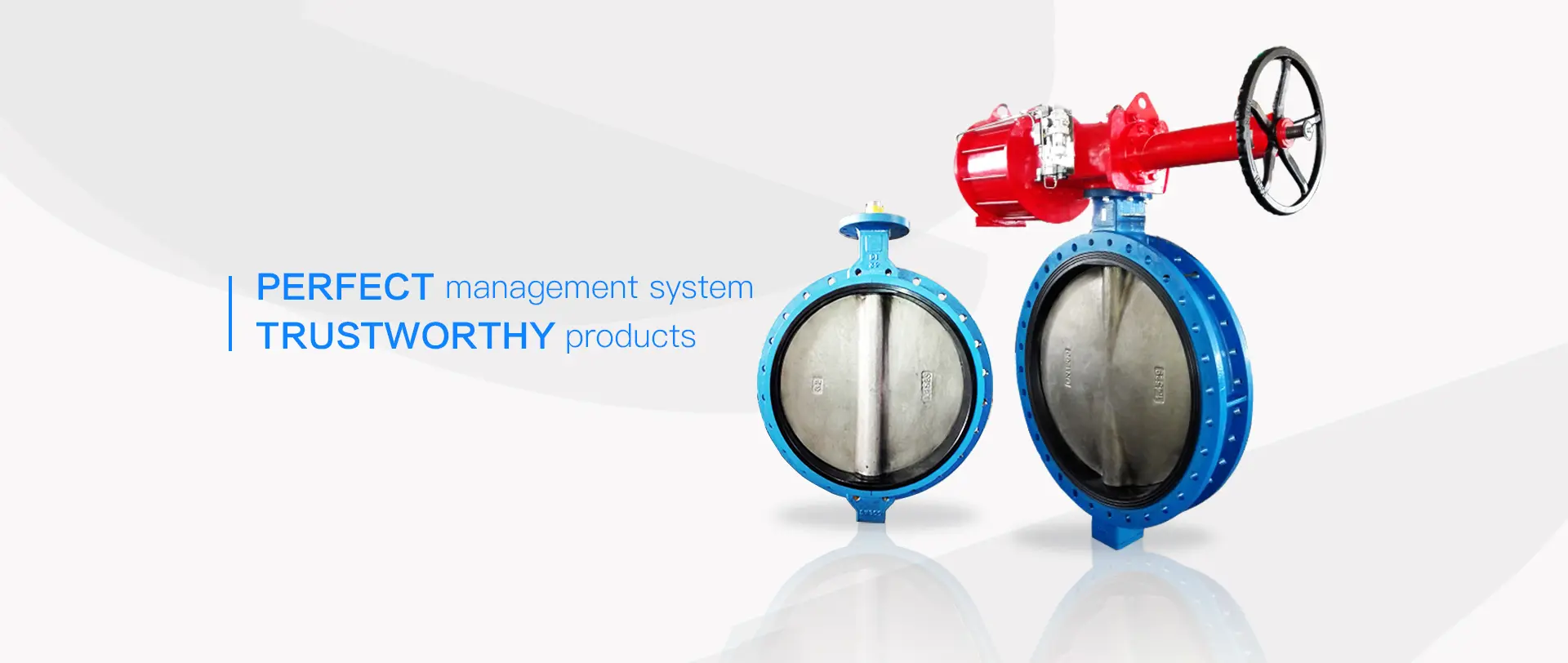
Ball valves are widely used in industrial piping because their operating mechanism is relatively straightforward and they can provide effective shutoff in suitable applications. Their use across chemical plants, manufacturing facilities, water systems, and utility networks reflects the need for valves that can isolate equipment and manage the movement of liquids or gases. However, material selection becomes particularly important when the process involves corrosive chemicals or demanding operating conditions.
A PTFE Coated Ball Valve may be considered where a ball valve arrangement and PTFE-related protective components are appropriate for the fluid being handled. PTFE is known for its resistance to many chemicals, but the term “coated” should be verified because the material may be used in different forms, including seats, liners, or surface treatments. The valve’s complete construction must meet the process requirements.
How Ball Valves Operate
A ball valve uses a spherical closure element with a passage through it. As the ball rotates, the passage changes position relative to the pipeline, allowing flow or blocking it.
Many ball valves use quarter-turn operation, making them suitable for applications requiring relatively quick movement between open and closed positions. Depending on the design, they may be operated manually or through an actuator.
The valve’s internal configuration, seat arrangement, and bore design influence flow capacity and shutoff characteristics. Buyers should verify whether the selected model is intended for isolation, regulation, or a particular service duty.
PTFE and Chemical Compatibility
PTFE is commonly used in valve components because it resists many chemicals and offers relatively low friction. It can be relevant where corrosive media would be unsuitable for certain conventional materials.
In ball valves, PTFE may be used for seats or other internal components. The exact configuration determines which surfaces contact the process fluid and how the material contributes to sealing.
Compatibility must be confirmed against the actual fluid composition, concentration, temperature, pressure, and operating conditions. Chemical mixtures may behave differently from individual substances, and a general statement about PTFE resistance is not sufficient for final selection.
Applications in Chemical Processing
Chemical plants may use ball valves in transfer lines, process connections, utility services, storage systems, and equipment isolation arrangements.
The valve should be selected according to the function it performs. A valve on a chemical transfer line may require specific shutoff performance, while another application may involve frequent cycling or different operating pressures.
Process engineers should identify the chemicals, expected flow, pressure conditions, temperature range, and potential exposure during cleaning or maintenance. The valve’s body, ball, stem, seat, seals, and other wetted materials must all be suitable.
Use in Industrial Manufacturing
Beyond chemical processing, ball valves may be used in selected manufacturing systems that transport liquids, utilities, or process fluids. Examples can include equipment supply lines, industrial circulation systems, and auxiliary piping.
The operating environment can influence the choice of body material and external protection. Outdoor installations may experience weather exposure, while indoor systems may be subject to vibration, heat, or limited access.
Where a valve is used as part of an automated sequence, actuator compatibility and control requirements should be assessed. Position feedback or other accessories may be necessary, depending on the system design.
Pressure, Temperature, and Flow Requirements
Ball valves should be selected according to their rated operating conditions. The pressure and temperature limits may depend on the body material, seat material, valve design, and other components.
Engineers should consider normal conditions as well as startup, shutdown, and foreseeable changes in operating conditions. The pressure rating must be suitable for the actual service, not simply the nominal pipeline size.
Flow requirements should also be evaluated. A full-bore design may offer different flow characteristics from a reduced-bore configuration. The buyer should confirm the selected model’s capacity and suitability for the intended function.
Installation Practices
Correct installation helps preserve valve performance. Pipeline alignment, connection compatibility, fastener selection, and valve orientation should follow the manufacturer’s instructions.
The valve should be protected from impact and contamination during installation. If the pipeline requires cleaning or flushing, the procedure should be suitable for the valve’s materials and design.
The operating handle or actuator should remain accessible. In automated installations, electrical or pneumatic connections must be configured according to the relevant specifications.
Maintenance and Service Life
Routine inspections may include checking external leakage, operating movement, corrosion, mounting condition, and signs of damage. Valves used frequently should be monitored for changes in operating performance.
Maintenance personnel should follow the manufacturer’s procedures when inspecting seats or other internal components. Abrasive cleaning methods or unsuitable replacement materials may damage the valve.
Making an Application-Based Selection
PTFE-related ball valve components can support chemical compatibility in suitable industrial services. Their effectiveness depends on the entire valve construction and the operating environment.
By reviewing material compatibility, pressure and temperature limits, flow requirements, connection details, operating frequency, and maintenance needs, engineers can select a ball valve that better matches the demands of their chemical or industrial piping system.