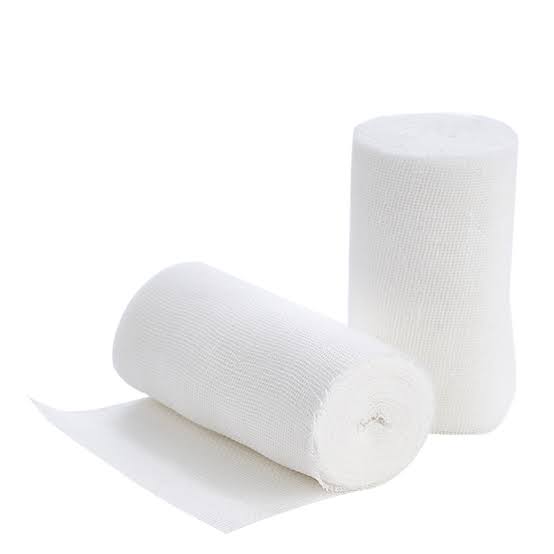
Developing a medical gauze wrap for a private label range involves balancing product design, manufacturing practicality, quality expectations, and market requirements. Although gauze wraps are familiar healthcare supplies, differences in fabric construction, dimensions, elasticity, edge finishing, and packaging can influence how a product performs in use. A brand that wants to introduce a consistent range needs a manufacturing partner capable of translating its specification into repeatable production. OEM manufacturing can provide that capability when responsibilities are clearly defined.
An OEM Medical Gauze Wrap Factory can produce wraps according to agreed requirements and may offer options for size, material, roll length, packaging, and brand presentation. The buyer should first establish whether the factory’s equipment and expertise match the intended product. A manufacturer experienced in one type of gauze roll may not automatically be suitable for every wrap construction or regulated medical application. Product development should therefore begin with technical evaluation rather than packaging design.
Identify the type of wrap required
Medical gauze wraps can be used in different ways, including securing dressings, providing light support, or forming part of a broader wound care arrangement. Their intended function determines which material characteristics matter most.
A specification should identify the fabric composition, weave, width, length, ply, edge construction, and any relevant stretch or handling requirements. If the product is intended to be used in a particular clinical setting, consult healthcare professionals and applicable standards when defining the requirements. Avoid using broad product descriptions as a substitute for measurable criteria.
Assess fabric and converting capabilities
The factory should be able to explain how it sources and processes the gauze fabric. Ask about incoming material checks, weaving or fabric procurement arrangements, cutting, slitting, rolling, and edge finishing. Establish whether the supplier manufactures the fabric itself or purchases finished material from another source.
Converting operations can affect the final product’s consistency. Uneven edges, irregular roll tension, inconsistent dimensions, or loose fibres may create problems during handling and packaging. Buyers should review samples from representative production runs and ask how these characteristics are monitored.
Decide which product features can be customized
OEM projects may allow buyers to specify several product details. These can include different roll widths, lengths, ply configurations, individual wrapping, pack quantities, printed labels, and carton arrangements. The factory should explain which options are available on existing equipment and which require new tooling or production adjustments.
Customization should not be introduced without considering its impact on performance and compliance. For example, changing fabric composition or adding an elastic element may alter how the wrap behaves. Any material or construction change should be reviewed and documented before it is approved for production.
Establish product acceptance criteria
A successful development project requires more than approving a visual sample. Buyers should define the characteristics that will determine whether a batch is acceptable. Depending on the product, these may include dimensions, fabric weight, weave consistency, tensile characteristics, absorbency, linting, and packaging quality.
The test methods should be appropriate to the product and supported by technical requirements or applicable standards. Agree on sampling plans and defect categories before mass production. Retaining an approved reference sample provides a useful basis for comparison when later orders are manufactured.
Review medical quality and regulatory obligations
A medical gauze wrap may be regulated differently depending on its intended purpose, claims, and destination market. Buyers should identify the applicable classification and documentation requirements early in the project. The factory should provide relevant quality management information and clarify which regulatory documents it can support.
Review certificates for validity, scope, and the actual manufacturing site. Determine who is responsible for product registration, technical files, labeling, and post-market obligations. These responsibilities may involve the manufacturer, brand owner, importer, or authorized representative, depending on local rules.
Consider sterile and non-sterile presentation
Some gauze wraps are supplied non-sterile, while other applications may require a sterile product. The distinction must be clear in the product specification and labeling. If sterility is required, the manufacturer should demonstrate that the sterilization process is validated for the product and its packaging.
Packaging should protect the wrap during storage and distribution. Review the material, sealing method, label information, lot coding, and any supported shelf-life claims. A package should not imply sterile status unless the product has been processed and released accordingly.
Evaluate production planning and OEM service
Discuss minimum order quantities, production capacity, lead times, raw material availability, and the factory’s ability to accommodate repeat orders. Ask how it manages changes in specifications and what happens if a raw material becomes unavailable. Any substitution should be reviewed before use.
The OEM agreement should also cover artwork ownership, confidentiality, inspection rights, pricing, payment terms, and defect resolution. Clear procedures help avoid misunderstandings as the product range expands.
Develop the product with measurable expectations
Selecting an OEM factory is a key part of medical gauze wrap development. A suitable partner combines relevant converting capabilities with reliable quality controls, accurate documentation, and realistic production planning. By defining the intended use, approving samples against measurable criteria, and recording responsibilities in writing, healthcare brands can build a more consistent product range and a stronger manufacturing relationship.