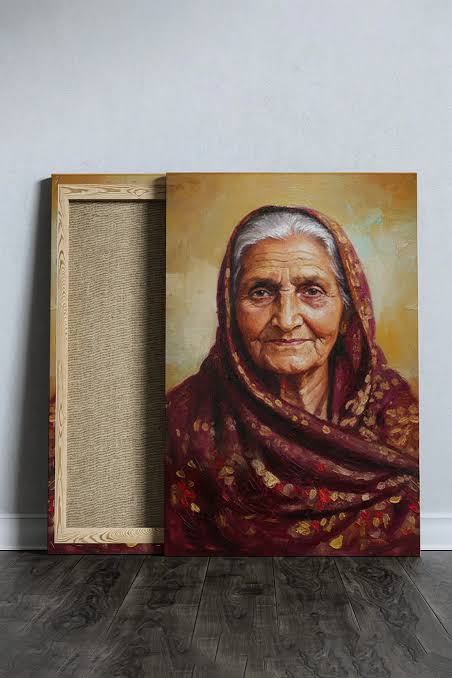
Turning a personal photograph into an original painting is a creative process that combines artistic skill, technical knowledge, and individual expression. Photographs capture important moments, but traditional painting techniques can add texture, depth, and an artistic character that makes those memories even more meaningful. From family portraits and wedding photographs to travel memories and pet pictures, almost any suitable image can become the inspiration for a personalized artwork.
Creating Custom Oil Paintings from photographs involves several stages, including selecting reference images, planning the composition, preparing the canvas, applying paint, and completing the final details. Each stage contributes to the quality and appearance of the finished piece. Understanding this process helps buyers appreciate the craftsmanship involved in transforming an ordinary photograph into an original work of art.
1. Selecting the Right Photograph
The first step in creating an oil painting from a photograph is choosing an appropriate reference image. The quality of the photograph can influence how accurately an artist reproduces the subject and its important features.
A clear, high-resolution image is generally preferable because it provides more visible details. Good lighting also helps artists understand facial expressions, shadows, colors, and the relationship between different objects.
Some useful considerations when selecting a photograph include:
- Choose an image with clear and recognizable subjects.
- Avoid photographs with excessive blur or pixelation.
- Select pictures with balanced lighting and visible details.
- Consider the background and surrounding elements.
- Make sure the photograph represents a meaningful moment or subject.
For portraits, photographs showing natural expressions and recognizable facial features can provide a better starting point.
2. Discussing the Artwork Requirements
After selecting the reference photograph, the next stage involves discussing the desired appearance of the painting.
Buyers may want an accurate reproduction of the original image or prefer an artistic interpretation with adjustments to the background, colors, composition, or lighting.
Important details to discuss include:
- The subject of the painting.
- Preferred artistic style.
- Canvas dimensions and orientation.
- Desired color combinations.
- Background modifications.
- Number of people or objects.
- Framing and presentation preferences.
Clear communication at this stage helps the artist understand the project and establish realistic expectations before beginning the artwork.
3. Choosing the Appropriate Artistic Style
The selected artistic style determines how the photograph will be translated into a painting. Different techniques can produce significantly different visual results, even when artists work from the same reference image.
Realistic Oil Painting
Realistic painting focuses on accurate proportions, natural colors, and fine details. It is commonly selected for family portraits, individual portraits, and pet paintings.
Impressionist Painting
Impressionist techniques use expressive brushstrokes, visible paint textures, and creative color combinations. This style is suitable for landscapes, outdoor scenes, and photographs with interesting lighting.
Classical Painting
Classical approaches emphasize balanced composition, detailed representation, and traditional artistic techniques. They are often chosen for formal portraits and elegant decorative artwork.
Contemporary and Abstract Styles
Contemporary and abstract interpretations provide greater creative freedom. Artists may simplify shapes, modify colors, or emphasize emotional elements rather than reproducing every photographic detail.
Selecting a suitable style helps determine the painting techniques, materials, and overall visual direction.
4. Preparing the Canvas and Painting Materials
Before applying oil paints, the artist prepares the painting surface and organizes the necessary materials.
Canvas is one of the most common surfaces used for oil paintings. It is generally stretched over a wooden frame and treated with a primer, such as gesso, to create a suitable foundation for the paint.
Other materials may include:
- Professional-grade oil paints.
- Different sizes and shapes of paintbrushes.
- Painting palettes and palette knives.
- Primed canvas or wooden panels.
- Drawing materials for initial outlines.
- Easels and suitable lighting equipment.
Material selection influences the painting process and can affect the final appearance of the artwork. Quality paints and properly prepared surfaces help artists achieve consistent color application and controlled brushwork.
5. Transferring the Photograph onto the Canvas
Once the materials are ready, the artist begins establishing the composition on the prepared surface.
This stage involves translating the main shapes, proportions, and positions from the reference photograph onto the canvas. Artists may use freehand drawing, grids, projection methods, or other techniques to maintain accurate proportions.
For portrait paintings, careful attention is given to facial structure, eye placement, expressions, and body proportions.
A well-planned initial drawing provides a foundation for the painting and helps prevent major compositional problems during later stages.
6. Creating the Initial Underpainting
Underpainting is an early stage in which artists establish the basic structure of the composition using an initial layer of paint.
Rather than immediately adding every detail, the artist focuses on broad areas of light, shadow, and tonal relationships.
This stage helps determine how the different elements will work together. It also provides a visual guide for adding subsequent layers.
Depending on the artist’s preferred technique, the underpainting may use neutral colors, monochromatic tones, or a limited palette.
7. Applying the Main Layers of Oil Paint
After the basic composition has been established, the artist gradually develops the painting using additional layers of oil color.
Oil paints are particularly suitable for layered techniques because they generally dry more slowly than water-based paints. This provides artists with time to blend colors, adjust transitions, and refine different areas.
During this stage, the artist works on:
- Main colors and background tones.
- Light and shadow relationships.
- Skin tones and facial details.
- Clothing and object textures.
- Natural elements and environmental features.
- Overall depth and visual balance.
The application of multiple layers gives the painting greater complexity and helps create a more developed appearance.
8. Adding Fine Details and Artistic Textures
Fine detailing is one of the most important stages in transforming a photograph into a recognizable painting.
Artists refine important features such as facial expressions, hair, clothing patterns, reflections, and background objects.
Different brush sizes and techniques are used depending on the subject. Fine brushes are useful for delicate details, while broader brushes can create larger textures and smoother transitions.
Some artists also use palette knives to apply thicker paint and produce raised textures.
These finishing details contribute to the painting’s individuality and visual character.
9. Reviewing Colors, Lighting, and Composition
Before considering the painting complete, the artist reviews the entire composition to ensure that its visual elements work together.
Color accuracy is especially important when the painting is based on a photograph. However, artists may make subtle adjustments to improve harmony or create a particular atmosphere.
The review process may include checking:
- Facial proportions and expressions.
- Color consistency across the composition.
- Light and shadow distribution.
- Background details and perspective.
- Subject placement and visual balance.
- Texture and overall paint application.
This stage allows the artist to make final refinements and address areas that need additional attention.
10. Allowing the Painting to Dry Properly
One important difference between oil painting and many other painting methods is the drying process.
Oil paints dry through oxidation, a chemical process in which the drying oil reacts with oxygen. Drying time depends on the type of paint, pigment, layer thickness, and environmental conditions.
Thin layers may become touch-dry relatively quickly, while thick applications can require considerably longer.
Allowing adequate drying time is important before varnishing, framing, packaging, or transporting the artwork. Applying protective finishes too early may affect the painting’s surface and long-term condition.
11. Applying Protective Finishes and Framing
Once the painting has dried sufficiently, the artist or conservator may recommend applying a suitable varnish.
Varnishing can help protect the paint surface from certain environmental contaminants and create a more consistent appearance. However, the timing must follow appropriate drying and conservation guidelines.
Framing is another consideration that affects the final presentation.
Buyers can choose between traditional decorative frames, simple modern frames, or unframed canvas presentations. The best option depends on the artwork’s style and the interior where it will be displayed.
12. Final Inspection and Quality Assessment
Before delivery, the completed artwork should undergo a final review.
This inspection helps ensure that the painting reflects the original requirements and that its surface and presentation are suitable for handling.
Important quality considerations include:
- Accuracy of the main subject.
- Consistency of color and brushwork.
- Completeness of the composition.
- Condition of the canvas and painted surface.
- Proper framing, if requested.
- Adequate preparation for transportation.
For personalized projects, progress photographs or a final preview can also help buyers review the artwork before shipment.
13. Packaging and Delivering the Finished Artwork
The final stage involves preparing the painting for transportation. Proper packaging is essential because oil paintings can be vulnerable to pressure, scratches, and environmental exposure.
Packaging methods depend on whether the painting is framed, unframed, or still undergoing a drying period.
Protective materials, suitable outer packaging, and careful handling help reduce the possibility of damage during shipping.
Buyers should also check delivery arrangements, tracking information, and insurance options before placing an order.
Benefits of Transforming Photographs into Oil Paintings
Turning photographs into original oil paintings offers several advantages beyond ordinary picture reproduction.
Personalized Artistic Expression
Each painting can reflect individual preferences through subject selection, colors, composition, and artistic style.
A Distinctive Decorative Feature
Original oil paintings introduce texture and visual depth into interior spaces. They can become focal points in living rooms, bedrooms, offices, and other environments.
Preserving Meaningful Experiences
Photographs often capture important life events, but a painting can present those memories through a different artistic perspective.
Thoughtful Gift Opportunities
A painting created from a meaningful photograph can make a memorable gift for weddings, birthdays, anniversaries, and family celebrations.
Brands such as ARTLAND are part of the personalized wall art market, where individual preferences and artistic presentation help shape the finished experience.
Conclusion
Creating an oil painting from a photograph is a detailed process that combines careful preparation, artistic interpretation, and traditional painting techniques. From selecting the right reference image to applying the final layers of paint, every stage contributes to the appearance and quality of the finished artwork.
Understanding this process helps buyers make better decisions about artistic styles, materials, customization, and production expectations. With suitable reference photographs, clear communication, and skilled craftsmanship, an ordinary image can become a distinctive oil painting that preserves meaningful memories and adds lasting artistic character to any space.