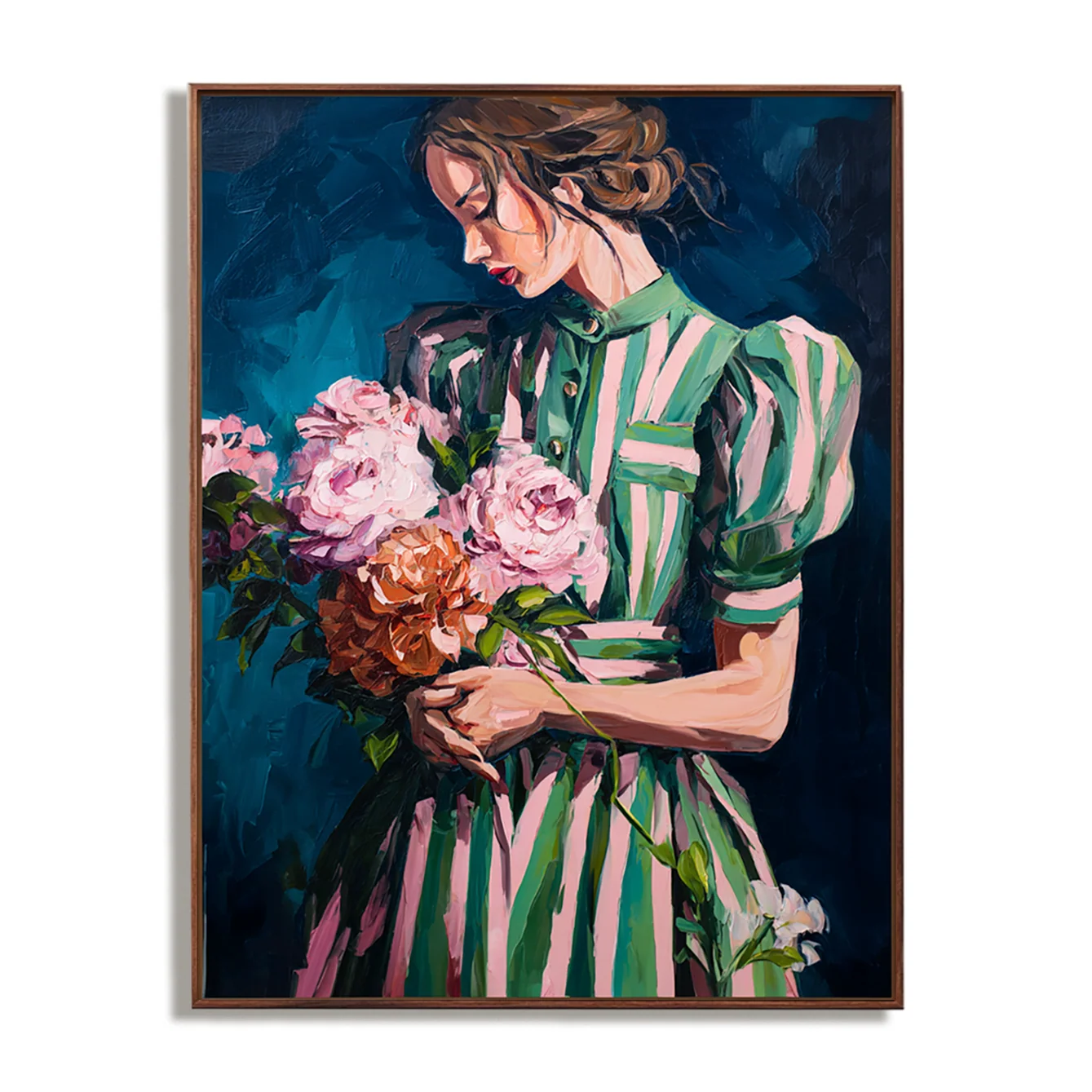
Figurative art has played an important role in the history of visual culture, allowing artists to explore human identity, emotion, mythology, and everyday life. Across different centuries, painters have represented the human body in ways that reflect the artistic values, cultural beliefs, and creative ambitions of their time. From carefully balanced classical compositions to experimental contemporary works, the human figure has remained a powerful source of inspiration.
The development of Figurative Oil Painting illustrates how traditional techniques have evolved alongside changing artistic movements. Oil paint gave artists greater control over color, texture, and detail, helping them create increasingly sophisticated representations of the human form. As artistic priorities shifted, figurative painting moved beyond strict realism to embrace personal interpretation, abstraction, and modern expression.
The Classical Foundations of Figurative Art
The tradition of representing the human figure extends back to ancient civilizations. Greek and Roman artists explored anatomy, movement, and idealized physical proportions through sculpture, painting, and decorative art. Their emphasis on balance, symmetry, and physical harmony influenced artistic traditions for centuries.
During the Renaissance, European artists renewed their interest in classical principles. They studied anatomy, perspective, and geometry to create more convincing representations of people and their surroundings. The human body became a central subject for exploring beauty, spirituality, intellectual achievement, and individual identity.
Although many early figurative traditions relied on different materials, their principles established a foundation for later developments in oil painting.
The Rise of Oil Painting During the Renaissance
Oil painting became increasingly important in European art during the fifteenth and sixteenth centuries. Its versatility allowed artists to blend colors gradually, create transparent layers, and achieve subtle transitions between light and shadow.
These qualities transformed portraiture and religious compositions. Painters could represent skin, fabric, hair, and environmental details with greater depth and visual richness. Techniques such as glazing helped produce luminous surfaces, while layered applications allowed artists to refine forms over time.
The growing possibilities of oil paint encouraged more sophisticated approaches to human representation. Artists could move beyond flat outlines and develop figures that appeared more natural and three-dimensional.
Baroque Art and the Power of Dramatic Expression
During the Baroque period, figurative painting became known for dramatic lighting, emotional intensity, and dynamic compositions. Artists frequently used strong contrasts between illuminated and shadowed areas to emphasize important subjects.
This approach, often associated with chiaroscuro, gave human figures a powerful physical presence. Expressions, gestures, and movement became essential elements of storytelling, helping painters communicate tension, devotion, conflict, and vulnerability.
Rather than presenting every subject in a calm and balanced arrangement, Baroque artists often created energetic scenes that encouraged viewers to engage emotionally with the artwork.
Neoclassicism and Romanticism: Two Different Visions
The eighteenth and nineteenth centuries introduced contrasting approaches to figurative representation. Neoclassical artists returned to the ideals of ancient Greece and Rome, emphasizing disciplined composition, clear forms, and controlled expressions.
Romantic painters, by contrast, often focused on imagination, individual emotion, dramatic experiences, and the power of nature. Their works could feature expressive gestures, intense color relationships, and compositions designed to communicate psychological or historical themes.
Both movements demonstrated that figurative painting could serve different purposes. It could celebrate order and idealized beauty or explore passion, uncertainty, and the complexity of human experience.
Realism and the Representation of Everyday Life
During the nineteenth century, Realism challenged the dominance of idealized historical and mythological subjects. Artists increasingly turned their attention to ordinary people, working environments, social conditions, and recognizable daily experiences.
Human figures were represented with greater attention to their actual circumstances rather than being transformed into idealized characters. This approach expanded the subject matter of figurative painting and encouraged artists to explore contemporary life.
Realism also strengthened the relationship between technical observation and social storytelling. The human figure became a way to communicate not only individual identity but also broader cultural realities.
Impressionism and the Exploration of Light
Impressionism introduced a different approach to representing people and their surroundings. Instead of prioritizing precise outlines and carefully finished surfaces, Impressionist painters explored the changing effects of light, color, and atmosphere.
Figures were often shown in everyday settings, including gardens, cafés, public spaces, and social gatherings. Loose brushwork and visible color variations gave these scenes a sense of immediacy and movement.
Although Impressionism sometimes reduced anatomical detail, it expanded the expressive possibilities of figurative painting by emphasizing the visual experience of a particular moment.
Modernism and the Transformation of the Human Figure
The arrival of modernist movements during the twentieth century brought significant changes to figurative art. Artists began questioning traditional ideas about perspective, proportion, and realistic representation.
Cubism fragmented recognizable subjects into geometric forms and multiple viewpoints. Expressionism used exaggerated colors and distorted shapes to communicate psychological intensity. Other modern artists simplified the human figure, exploring its relationship with space, identity, and contemporary society.
These developments showed that a painting did not need to reproduce physical reality accurately to communicate meaningful ideas. The human form could become a vehicle for experimentation and individual expression.
Contemporary Figurative Oil Painting
Contemporary artists continue to reinterpret traditional figurative techniques while responding to modern cultural and personal themes. Some painters maintain a strong commitment to realism, using detailed anatomy, carefully controlled lighting, and sophisticated color mixing. Others combine recognizable human forms with abstract elements, unconventional palettes, and expressive brushwork.
Digital imagery, photography, popular culture, and global artistic influences have also expanded the possibilities of contemporary figurative practice. Artists may explore subjects such as identity, social relationships, memory, and cultural belonging through both traditional and experimental approaches.
Oil paint remains valuable because it supports a wide range of techniques, from delicate glazing to thick, expressive applications. Its adaptability allows artists to connect historical methods with contemporary visual ideas.
The Enduring Importance of Anatomy and Artistic Technique
Despite changes in artistic movements, anatomical knowledge continues to influence figurative painting. Understanding the body’s structure helps artists create convincing proportions, natural gestures, and expressive poses.
Color theory, composition, and lighting are equally important. Painters use tonal relationships to establish depth, carefully arranged figures to guide attention, and different brushwork techniques to develop surface character.
Even when artists deliberately distort the body, a foundation in traditional techniques can make those choices more effective. This relationship between technical understanding and creative freedom connects contemporary figurative art with its historical foundations.
Why Figurative Painting Continues to Evolve
The human figure remains relevant because it offers endless opportunities to explore universal and personal experiences. Every generation approaches the subject through its own cultural perspectives, artistic interests, and technical discoveries.
Some contemporary painters revisit classical methods to preserve traditional craftsmanship, while others challenge established conventions through abstraction and experimentation. These different approaches demonstrate that figurative art is not a fixed historical style but an evolving form of artistic expression.
Its continued development also allows viewers to discover new meanings in familiar subjects and connect with artwork across different periods.
Conclusion
The evolution of figurative oil painting reflects the changing relationship between artistic tradition and creative innovation. From classical ideals and Renaissance realism to Baroque drama, modernist experimentation, and contemporary expression, artists have continually found new ways to interpret the human form.
Although techniques and artistic philosophies have changed, the central interest in human identity, emotion, and experience remains. By combining historical knowledge with modern perspectives, figurative oil painting continues to demonstrate the lasting power of the human figure as a subject of artistic exploration.