
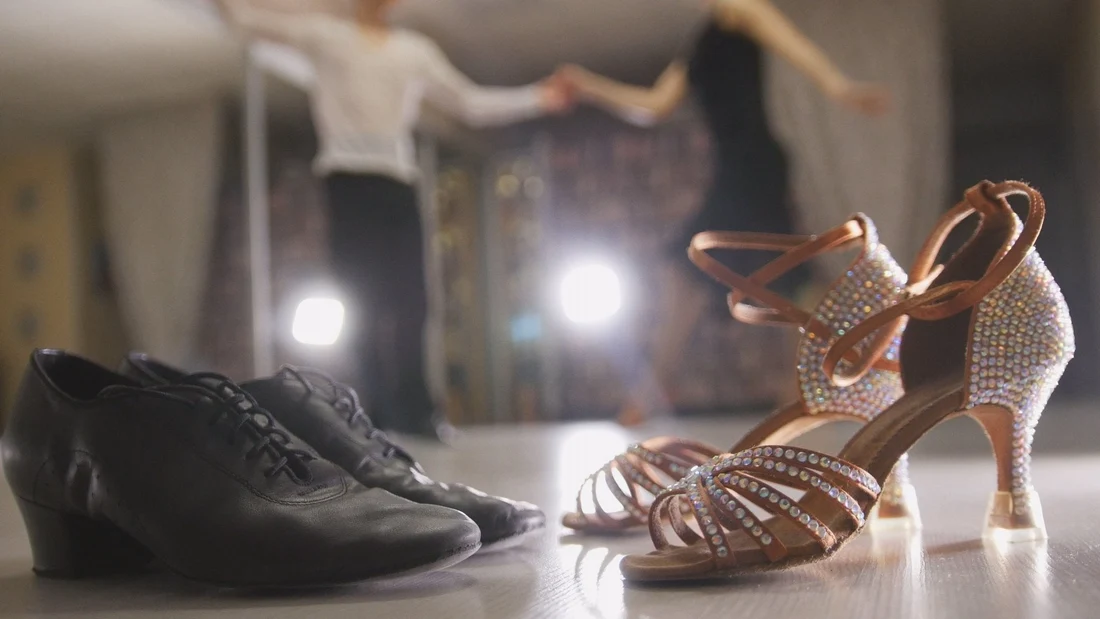
Choosing the right materials for Latin dance shoes is essential for comfort, flexibility, and long-term durability. Whether you practice salsa, cha-cha, rumba, or samba, your footwear needs to support quick footwork, smooth turns, and repeated movements without causing unnecessary discomfort. The materials used in the upper, lining, sole, and straps all influence how a shoe feels and performs on the dance floor.
Dancers have different preferences depending on their experience, foot shape, and training schedule. Exploring options such as Custom Latin Dance Shoes can help you consider material choices alongside fit, heel height, and construction. Understanding the strengths and limitations of different materials makes it easier to select shoes that suit your dancing style and everyday practice needs.
Why Material Selection Matters in Latin Dance Shoes
Dance shoes experience repeated bending, friction, and pressure during training and performances. Materials that cannot withstand these demands may lose their shape, become uncomfortable, or wear out prematurely.
The right materials should provide a balance of flexibility, support, breathability, and resistance to everyday wear. Comfort is equally important because poorly ventilated or stiff footwear can become distracting during extended rehearsals.
Instead of focusing on appearance alone, evaluate how each material contributes to movement, fit, maintenance, and overall shoe construction.
Leather: A Practical Choice for Support and Flexibility
Leather is commonly used in dance footwear because it can offer a supportive feel while allowing natural movement. Depending on the type and finish, leather may also soften and adapt to the foot with regular use.
For dancers who practice frequently, leather uppers can provide a useful combination of structure and flexibility. However, the quality of the leather and the construction of the shoe influence its performance and lifespan.
Leather may require appropriate cleaning and conditioning to prevent the material from becoming excessively dry. It can also be less suitable for dancers seeking a vegan option or a particularly lightweight, decorative finish.
When choosing leather shoes, examine the stitching, lining, and flexibility of the upper rather than assuming all leather footwear offers the same quality.
Satin: An Elegant Option for Performances
Satin is popular in Latin dance footwear, particularly for competitions, showcases, and formal performances. Its smooth finish creates an elegant appearance that complements dance costumes and stage outfits.
However, satin often requires more careful handling than some other upper materials. It may be vulnerable to stains, abrasion, and visible marks, making it less practical for dancers who want low-maintenance shoes for frequent everyday practice.
If you choose satin, consider how often you will wear the shoes and whether you can store and clean them carefully. A protective storage bag and appropriate cleaning methods can help preserve their appearance.
Satin can be an excellent choice when visual presentation is important, provided its maintenance requirements suit your routine.
Synthetic Materials: Versatility and Easy Maintenance
Synthetic materials offer another option for Latin dance shoes. Their characteristics vary considerably depending on the material and manufacturing process, so flexibility, breathability, and durability should be assessed individually.
Some synthetic uppers are lightweight and easy to clean, while others may feel less breathable or adapt differently to the shape of the foot than natural leather.
These materials can be useful for dancers seeking alternative price points, particular colors, or specific design features. Before purchasing, check how the upper bends, whether the lining feels comfortable, and whether the shoe maintains its shape during movement.
A well-constructed synthetic shoe can be suitable for regular dancing, but material quality matters more than the label alone.
Choosing the Right Sole Material
The sole is one of the most important components of a Latin dance shoe because it determines how the footwear interacts with the floor.
Suede Soles
Suede soles are widely used for indoor Latin dancing because they provide a balance of traction and controlled movement on suitable dance surfaces. They can help dancers perform pivots and turns without the excessive grip that some everyday shoe soles create.
However, suede is not maintenance-free. Dust and debris can change its texture, so regular brushing with an appropriate sole brush is important.
Suede soles are generally unsuitable for outdoor use because rough surfaces and moisture can damage the material.
Rubber and Other Sole Materials
Rubber soles are common in everyday footwear and some dance-oriented designs. Depending on their formulation and tread, they may provide more grip and durability on certain surfaces.
However, excessive traction can make some Latin dance turns more difficult. The suitability of a rubber sole depends on the specific design, floor type, and intended use.
When selecting a sole, consider where you will dance most often. A shoe designed for a smooth studio floor may not behave the same way on a textured or unfamiliar surface.
The Importance of Comfortable Linings
The lining sits against the foot and can significantly affect comfort during extended sessions. A rough or poorly fitted lining may create friction, while unsuitable materials can contribute to heat and moisture buildup.
Look for a lining that feels smooth, fits properly, and works well with the upper material. Breathability can be particularly important for dancers who rehearse for long periods or train in warm environments.
Moisture management also depends on sock choice, foot hygiene, and how thoroughly shoes dry between sessions. Even a high-quality lining cannot compensate for a shoe that fits poorly or remains damp after use.
Selecting Durable Straps and Fastenings
Straps help secure the foot during turns, weight transfers, and rapid directional changes. Their material and construction influence both comfort and reliability.
Leather and synthetic straps can offer different combinations of flexibility and resistance to wear. The most suitable option should remain secure without cutting into the skin or creating excessive pressure.
Pay attention to the fastening mechanism, adjustment range, stitching, and points where the straps attach to the shoe. These areas may experience repeated stress during dancing.
Regularly inspect straps and buckles for signs of damage. Replacing a worn fastening before it fails can help prevent interruptions during practice or performances.
Heel Materials and Structural Stability
The heel affects balance, posture, and weight distribution. Its construction should provide a stable foundation while remaining appropriate for the shoe’s intended heel height and design.
Dance shoe heels may incorporate different structural materials and protective outer coverings. The quality of the internal structure, attachment, and finishing can influence how stable the heel feels during movement.
A visually attractive heel is not necessarily a stable one. Check for secure attachment, even construction, and a comfortable feel when standing and performing basic steps.
Beginners may prefer a lower or moderate heel while developing balance, whereas experienced dancers may select other heights according to their technique and preferences.
How to Balance Comfort and Durability
The most durable material is not always the most comfortable, and the softest material may not provide enough structure for your needs. Selecting dance shoes involves balancing several factors.
Consider these priorities before making a purchase:
- Practice frequency: Frequent dancers may benefit from durable construction and materials that are easy to maintain.
- Dance environment: Choose soles and uppers suited to the surfaces and conditions where you perform.
- Foot shape: Prioritize a comfortable fit and appropriate width over the material’s appearance.
- Climate: Breathability and drying time may matter more in warm or humid environments.
- Maintenance preferences: Choose materials you can realistically clean and care for regularly.
A shoe that balances these considerations is often more useful than one selected solely for its price, appearance, or material name.
Material Choices for Custom-Fit Dance Shoes
Custom-made footwear can provide greater flexibility when selecting dimensions and design features. Depending on the maker’s available options, dancers may be able to choose different upper materials, colors, linings, strap arrangements, and heel designs.
Customization can be particularly useful for people whose feet do not fit standard sizing comfortably. However, personalized sizing does not automatically guarantee durability or comfort. The quality of the materials, craftsmanship, and final fit remains essential.
Before ordering, clarify the available materials, cleaning requirements, sizing process, and any limitations on customization. If possible, review detailed product specifications and ask questions about construction and expected maintenance.
Tips for Extending the Life of Your Dance Shoes
Even high-quality materials require proper care. A few simple habits can help preserve the condition of your footwear and reduce unnecessary wear.
- Store shoes in a dry, ventilated place away from direct heat.
- Allow damp shoes to air-dry naturally after dancing.
- Clean leather, satin, and synthetic uppers according to their specific care instructions.
- Brush suede soles regularly to maintain their texture.
- Avoid wearing indoor dance shoes outdoors.
- Inspect stitching, straps, and heels for damage before demanding sessions.
Rotating between pairs, when practical, can also give footwear more time to dry between uses.
Common Material Selection Mistakes
One common mistake is choosing a material based only on appearance. A decorative upper may look excellent under stage lighting but require more care than you want to provide during everyday training.
Another mistake is assuming that expensive materials automatically guarantee better performance. Fit, sole suitability, construction, and maintenance all influence how well shoes work over time.
Dancers should also avoid overlooking the lining, straps, and heel attachment when examining the upper material. These components contribute directly to comfort and stability, even when they are less visible.
Whenever possible, evaluate the complete shoe rather than judging it by a single feature.
Final Thoughts
Choosing materials for Latin dance shoes requires attention to comfort, flexibility, durability, and the conditions in which you dance. Leather may suit dancers who value a supportive feel, satin can be appropriate for performance settings, and synthetic materials offer additional choices in design and maintenance.
The sole, lining, straps, and heel construction deserve equal consideration because they influence how the shoes feel and function during movement. By comparing these components and understanding their care requirements, you can make a more informed footwear decision.
Whether you choose a standard pair or a customized design, prioritize proper fit, suitable floor traction, and reliable construction. Well-selected materials, combined with regular maintenance, can help your dance shoes remain comfortable and dependable throughout your dancing journey.

