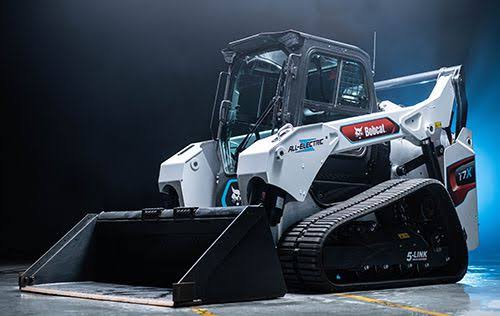
Industrial sealing components are essential for keeping machinery reliable, efficient, and protected from damage. They help prevent fluid leakage, maintain pressure, retain lubrication, and block contaminants from entering mechanical systems. However, continuous operation, friction, temperature changes, and exposure to chemicals can gradually affect their condition. Without proper care, even well-designed seals may experience premature wear and require frequent replacement.
Regular inspection and preventive maintenance can significantly improve sealing performance. Following appropriate maintenance practices for DMS Seals helps equipment operators identify early signs of deterioration, reduce avoidable damage, and maintain consistent machinery operation. A structured maintenance approach also supports better equipment reliability and helps control long-term operating expenses.
Why Regular Seal Maintenance Is Important
Seals operate in different mechanical environments, from hydraulic cylinders and pneumatic actuators to pumps, compressors, and rotating machinery. Their performance depends on factors such as material quality, operating pressure, temperature, lubrication, and installation accuracy.
Over time, seals may develop cracks, deformation, surface wear, or reduced flexibility. These problems can affect their ability to maintain an effective sealing barrier.
Regular maintenance provides several benefits:
- Reduces the likelihood of fluid and air leakage.
- Helps prevent contamination from entering machinery.
- Protects shafts, pistons, cylinders, and other components.
- Maintains hydraulic and pneumatic system efficiency.
- Identifies problems before they cause major equipment damage.
- Reduces unexpected downtime and replacement expenses.
A consistent inspection schedule makes it easier to identify changing seal conditions and address problems before they affect equipment performance.
1. Conduct Routine Visual Inspections
Visual inspection is one of the simplest ways to identify early signs of seal deterioration. Maintenance teams should examine accessible sealing components during scheduled equipment servicing.
Look for cracks, cuts, swelling, discoloration, deformation, and damaged sealing edges. These conditions may indicate material aging, excessive friction, chemical exposure, or installation problems.
Pay particular attention to areas around hydraulic cylinder rods, pump housings, rotating shafts, and fluid connections.
If a seal shows significant damage or leakage, it should be evaluated according to the equipment manufacturer’s maintenance recommendations.
2. Keep Seals and Surrounding Areas Clean
Contamination is a common cause of premature seal wear. Dust, sand, metal particles, and other debris can become trapped between sealing surfaces and moving components.
These particles may act as abrasives, damaging the seal and the surfaces it contacts.
To reduce contamination-related problems:
- Clean accessible equipment surfaces during maintenance.
- Remove dirt before opening hydraulic or pneumatic assemblies.
- Use suitable filtration systems.
- Keep replacement seals in clean storage conditions.
- Prevent foreign particles from entering seal grooves during installation.
Cleanliness is particularly important in construction, mining, agricultural, and manufacturing equipment that operates in dusty or abrasive environments.
3. Use Compatible Lubricants and Operating Fluids
Lubrication helps reduce friction between moving components and supports effective sealing performance. However, not every lubricant or operating fluid is compatible with every sealing material.
An unsuitable fluid may cause swelling, softening, hardening, or chemical deterioration.
Before using hydraulic oil, grease, or another operating fluid, confirm that it is compatible with the selected seal material.
Maintenance teams should also follow recommended fluid replacement intervals. Contaminated or degraded lubricants can reduce protection for mechanical surfaces and contribute to increased wear.
4. Monitor Operating Temperature
Temperature changes can affect the flexibility, strength, and dimensional stability of sealing materials.
Excessive heat may accelerate material aging, while very low temperatures can make certain elastomers less flexible. Both conditions may reduce sealing effectiveness.
Equipment operators should monitor operating temperatures and investigate unusual increases.
Important maintenance practices include:
- Checking cooling systems where applicable.
- Preventing excessive friction in moving assemblies.
- Maintaining suitable lubricant conditions.
- Following the specified temperature range for the seal material.
- Reviewing equipment performance after significant environmental changes.
Selecting materials that match the operating temperature range is equally important for long-term reliability.
5. Maintain Proper Operating Pressure
Pressure directly influences how seals interact with surrounding mechanical surfaces. Excessive pressure can cause deformation, extrusion, or premature failure.
Repeated pressure spikes may also damage sealing components even when normal system pressure appears acceptable.
To protect seals, maintenance teams should:
- Monitor normal and maximum operating pressure.
- Check pressure-relief devices.
- Investigate sudden pressure fluctuations.
- Avoid operating machinery beyond its specified limits.
- Inspect seals after unusual pressure-related events.
Pressure management is particularly important in hydraulic cylinders, industrial presses, and high-pressure fluid systems.
6. Inspect Shafts, Rods, and Contact Surfaces
A seal can deteriorate quickly when the surface it contacts is damaged or incorrectly finished.
Scratches, corrosion, rough areas, and uneven surfaces may cut sealing lips or increase friction during movement.
During scheduled maintenance, inspect the following components:
- Hydraulic piston rods.
- Cylinder walls.
- Rotating shafts.
- Seal grooves.
- Housing surfaces.
- Other contact areas specified by the equipment manufacturer.
If a shaft or cylinder surface is damaged, replacing the seal alone may not solve the problem. The underlying surface condition should also be corrected.
7. Ensure Correct Seal Installation
Incorrect installation is a frequent reason for early seal failure. A new seal may become damaged if it is twisted, stretched excessively, or forced into an unsuitable groove.
Even minor installation errors can create leakage paths or uneven contact pressure.
For better results:
- Clean the installation area before fitting.
- Confirm that the replacement seal has the correct dimensions.
- Use suitable installation tools.
- Avoid sharp edges that could cut the sealing material.
- Apply compatible installation lubricant when recommended.
- Check the seal’s position before assembling the equipment.
- Follow the manufacturer’s installation instructions.
Proper installation helps preserve the seal’s intended geometry and reduces the risk of unnecessary damage.
8. Avoid Excessive Friction and Misalignment
Dynamic seals operate alongside moving components and experience friction during normal use. However, excessive friction can increase heat and accelerate surface deterioration.
Misaligned shafts, piston rods, or mechanical assemblies may create uneven pressure across the sealing surface.
This can cause one section of a seal to wear faster than another.
Maintenance teams should check equipment alignment, vibration, movement patterns, and lubrication conditions. Correcting mechanical alignment problems can help improve seal performance and protect surrounding components.
9. Replace Damaged Seals at the Right Time
Waiting too long to replace a worn seal can lead to additional equipment damage.
For example, a damaged hydraulic rod seal may allow oil leakage and create contamination problems. A deteriorated piston seal may also contribute to internal fluid bypass and reduced cylinder performance.
Replacement should be considered when inspections reveal:
- Deep cracks or cuts.
- Permanent deformation.
- Excessive hardening or brittleness.
- Swelling or chemical damage.
- Significant abrasion.
- Extruded or missing material.
- Persistent leakage caused by seal deterioration.
Always use a compatible replacement product with the correct dimensions and operating specifications. Reusing a damaged seal can increase the likelihood of repeat failure.
10. Store Replacement Seals Properly
Maintenance planning often requires keeping spare seals available. However, unsuitable storage conditions can damage components before they are installed.
Rubber and polymer materials may deteriorate when exposed to direct sunlight, excessive heat, ozone, moisture, or incompatible chemicals.
Follow the manufacturer’s storage guidance. In general, replacement seals should be kept in a clean, dry environment away from direct sunlight and sources of excessive heat.
Keep products in their original packaging when practical, and avoid placing heavy objects on flexible sealing components.
Proper storage helps preserve material properties and ensures that replacement parts remain suitable for use.
11. Maintain Detailed Inspection and Replacement Records
Maintenance records help teams understand how sealing components perform over time.
Documenting inspections, replacements, leakage incidents, and operating conditions can reveal recurring problems that may otherwise go unnoticed.
Useful information to record includes:
- Seal type and material.
- Equipment identification.
- Installation and replacement dates.
- Observed wear or damage.
- Operating pressure and temperature.
- Fluid type and compatibility details.
- Possible causes of failure.
- Maintenance actions completed.
These records can help identify whether failures are related to normal aging, poor installation, contamination, or unsuitable operating conditions.
12. Follow a Preventive Maintenance Schedule
A planned maintenance schedule makes seal inspections more consistent and reduces dependence on reactive repairs.
The inspection frequency should reflect equipment usage, operating conditions, manufacturer recommendations, and the consequences of failure.
For example, machinery operating continuously in dusty environments may require more frequent inspection than equipment used occasionally under controlled conditions.
A basic maintenance checklist can help organize routine activities.
| Maintenance task | Purpose |
|---|---|
| Visual seal inspection | Identify cracks, cuts, and deformation |
| Leakage checks | Detect possible sealing failure |
| Surface cleaning | Reduce contamination and abrasive wear |
| Pressure monitoring | Prevent excessive mechanical stress |
| Temperature monitoring | Identify overheating conditions |
| Fluid inspection | Maintain lubrication and compatibility |
| Alignment checks | Reduce uneven contact and friction |
| Replacement records | Track service history and recurring problems |
This checklist should be adjusted to match the requirements of each machine and sealing application.
Common Maintenance Mistakes to Avoid
Even regular maintenance may fail to protect seals if incorrect procedures are followed.
Some common mistakes include:
Using Incompatible Cleaning Products
Strong solvents or unsuitable chemicals may damage certain sealing materials. Always confirm that cleaning products are compatible with the seal composition.
Ignoring Minor Leakage
Small leaks may indicate early deterioration or a problem with installation and contact surfaces. Ignoring them can allow the issue to become more serious.
Replacing Seals Without Investigating the Cause
If a seal repeatedly fails, simply installing another one may not solve the problem. Pressure spikes, rough surfaces, contamination, and misalignment should also be investigated.
Choosing Replacement Parts by Appearance Alone
Two seals may look similar but have different dimensions, materials, or operating limits. Always verify technical specifications before installation.
Overlooking Manufacturer Recommendations
Maintenance procedures and replacement intervals can vary between products and equipment types. Following the relevant technical documentation helps avoid unnecessary damage.
How Proper Maintenance Supports Long-Term Equipment Performance
Effective seal maintenance contributes to the overall reliability of industrial machinery. By controlling leakage, contamination, and excessive wear, businesses can protect expensive mechanical assemblies and reduce avoidable interruptions.
Well-maintained sealing components can help:
- Preserve hydraulic and pneumatic pressure.
- Protect internal parts from dirt and moisture.
- Maintain lubrication around moving surfaces.
- Reduce the frequency of leakage-related repairs.
- Support consistent machine operation.
- Improve maintenance planning and spare-parts management.
These benefits are especially valuable in industries where equipment downtime can affect production schedules, project deadlines, and operating budgets.
Conclusion
Extending the service life of DMS seals requires regular inspection, proper cleaning, compatible lubrication, and careful monitoring of operating conditions. Installation quality, surface condition, pressure control, temperature management, and appropriate storage also play important roles in preventing premature deterioration.
A structured preventive maintenance program helps identify early warning signs and address the underlying causes of seal damage. By following equipment specifications and using suitable replacement components, industrial operators can reduce leakage, protect critical machinery, and maintain reliable equipment performance over time.