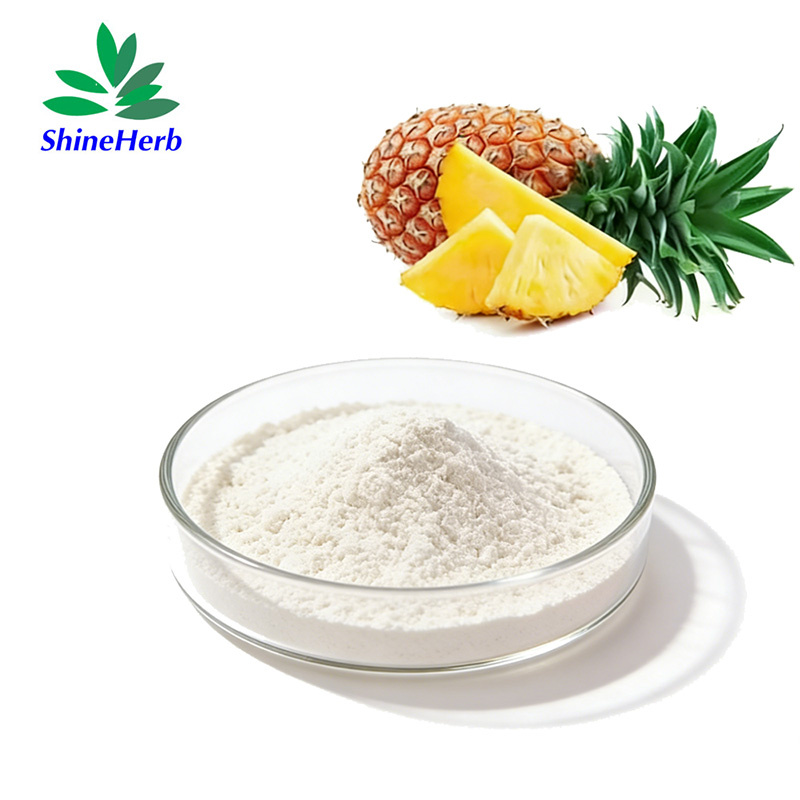
Commercial ingredient purchasing involves balancing product requirements, supply availability, pricing, delivery schedules, and inventory management. For businesses using bromelain in food processing or supplement manufacturing, the wholesale sourcing model can influence purchasing efficiency and the ability to maintain production. Buyers need to understand which supply arrangement fits their operational needs before committing to recurring orders.
When evaluating Bromelain Enzyme Wholesale purchasing options, commercial buyers should compare supplier capabilities, activity specifications, packaging, minimum quantities, delivery arrangements, and documentation. A well-planned procurement strategy can support predictable purchasing while helping companies avoid unnecessary inventory or supply interruptions.
Direct Sourcing and Distribution Channels
Wholesale buyers may obtain enzyme ingredients through manufacturers, authorized distributors, or specialized ingredient trading companies. Each sourcing channel offers different advantages depending on the buyer’s order size, location, technical requirements, and purchasing frequency.
Direct manufacturer sourcing may be suitable for businesses purchasing substantial volumes or establishing recurring supply agreements. It can provide opportunities to communicate directly about specifications, packaging, production availability, and technical questions.
Distributors may offer advantages in local availability, smaller order quantities, regional logistics, or access to multiple ingredients through one purchasing channel. Their suitability depends on product traceability, documentation, and the reliability of their upstream supply arrangements.
Buyers should understand the sourcing chain and verify who is responsible for product quality, batch documentation, and delivery coordination.
Establish a Product Specification
A wholesale quotation is useful only when the buyer understands what is being offered. Bromelain preparations may differ in activity, physical form, composition, and intended use.
Purchasing teams should prepare a specification that identifies the required enzyme preparation, activity range, test method, packaging, quantity, storage conditions, and intended application. This information helps suppliers provide accurate quotations.
Activity is particularly important when comparing commercial enzyme products. A quoted price per kilogram does not necessarily indicate equivalent functional value if the activity specifications differ.
Compare Minimum Order Quantities
Wholesale arrangements may involve minimum order quantities that vary according to packaging, supplier, and purchasing conditions. Businesses should determine whether the required quantity is practical for their consumption rate and storage capacity.
Large orders may reduce the unit price or frequency of purchasing, but they can also increase working capital requirements. Buyers should consider expected demand, lead times, shelf life, and warehouse conditions before accepting a minimum quantity.
Smaller orders may be more suitable during formulation development or initial commercial introduction. Sample evaluation and pilot production can help determine whether a larger commitment is justified.
Review Quality and Traceability
Quality documentation should be part of the wholesale purchasing process. Buyers should request specifications, certificates of analysis, and other documents relevant to the intended use.
Batch identification is essential for traceability. Companies should confirm that the supplier can maintain records connecting delivered material with the appropriate lot information.
Additional documents may include microbiological criteria, safety data, allergen information, origin records, or relevant certification, depending on regulatory and customer requirements.
Plan Delivery and Inventory
Shipping arrangements influence the practical cost of wholesale purchasing. Buyers should clarify lead times, delivery terms, packaging sizes, freight costs, and responsibilities for shipment handling.
Inventory planning should take account of actual consumption and the ingredient’s storage requirements. Enzyme preparations may require protection from unsuitable temperature or moisture conditions, so warehouse capacity and handling procedures must be considered.
Companies can use purchasing forecasts and safety-stock calculations to reduce the risk of shortages while avoiding excessive inventory.
Evaluate Commercial Terms
Wholesale quotations should be compared using consistent assumptions. Product specifications, packaging, order quantities, delivery costs, payment terms, and potential additional charges should all be considered.
A supplier offering a competitive price may still be unsuitable if communication is unreliable or documentation is incomplete. Total purchasing value should reflect quality, delivery, technical support, and the practical cost of using the ingredient.
Create a Sustainable Sourcing Arrangement
Wholesale sourcing works best when purchasing requirements are clearly defined and supplier performance is monitored. Businesses should review delivery accuracy, product conformity, communication, and complaint handling throughout the relationship.
A carefully evaluated wholesale channel can help commercial buyers manage bromelain procurement more effectively while supporting production continuity and consistent ingredient quality.