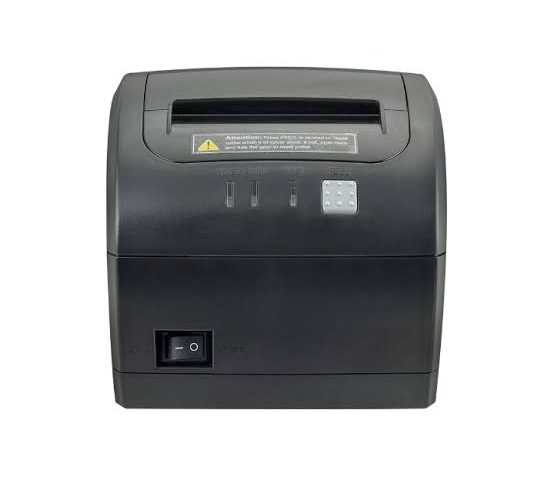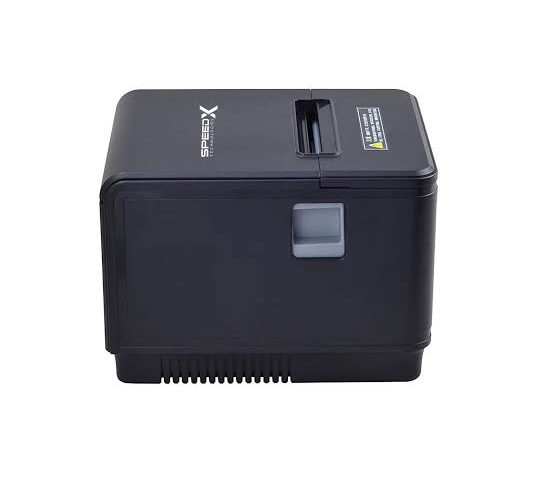
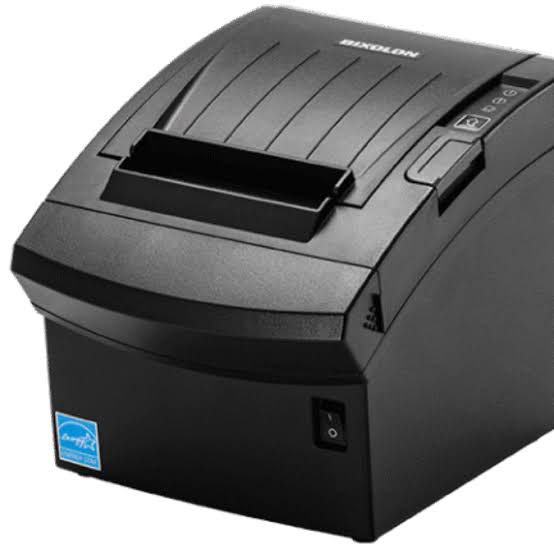
Receipt printers play an important role in retail, hospitality, transportation, healthcare, and other industries that depend on accurate transaction records. As businesses demand faster printing, improved reliability, and better connectivity, manufacturers are adopting modern production technologies to meet changing market expectations. These developments are influencing everything from product design and component assembly to testing and quality management.
Manufacturing technology has become a major factor in determining the performance, consistency, and production efficiency of receipt printers. A capable Receipt Printer Manufacturer can use advanced equipment, automated processes, and digital monitoring systems to improve production standards while responding to different customer requirements. Understanding these technologies helps businesses recognize how modern manufacturing contributes to dependable printing equipment.
The Evolution of Receipt Printer Manufacturing
Traditional receipt printer production relied heavily on manual assembly, conventional machining, and separate inspection procedures. Although these methods supported early manufacturing requirements, they could involve longer production cycles and greater variation between individual units.
Modern production facilities increasingly combine automation, computer-aided design, precision engineering, and digital quality management. These technologies allow manufacturers to coordinate different stages of production more effectively.
The shift is not limited to faster assembly. It also involves improving component accuracy, reducing material waste, strengthening product testing, and creating printers that meet more demanding commercial applications.
Computer-Aided Design and Product Development
Computer-aided design (CAD) software has changed how manufacturers develop receipt printer models. Engineers can create detailed digital designs, examine component arrangements, and evaluate product dimensions before physical production begins.
Improved Design Accuracy
CAD tools help engineers work with precise measurements and technical specifications. This is particularly important for components such as printer housings, paper compartments, rollers, cutters, and internal mounting structures.
Accurate digital designs can reduce dimensional errors and help ensure that different components fit together correctly during assembly.
Faster Design Modifications
Digital design systems make it easier to revise product layouts and evaluate alternative configurations. Engineers can adjust housing dimensions, improve internal component placement, and accommodate different connectivity requirements without repeatedly creating physical prototypes.
This flexibility supports product development while helping manufacturers respond to changing customer expectations.
Automation in Receipt Printer Production
Automation is one of the most important developments in modern manufacturing. Automated equipment can perform repetitive tasks with consistent speed and precision, reducing dependence on manual operations in suitable production stages.
Automated Component Assembly
Automated assembly equipment can position and secure selected components according to predefined specifications. This helps improve consistency in production activities that require accurate placement and repeatable movements.
For receipt printers, precision is important when assembling internal mechanisms, circuit boards, paper-feeding systems, and other functional parts.
Reduced Production Errors
Automated processes can reduce certain human errors associated with repetitive tasks. When equipment is properly calibrated and maintained, manufacturers can achieve more consistent assembly results.
However, automation does not eliminate the need for skilled workers. Engineers and technicians remain essential for equipment setup, process monitoring, maintenance, and final inspections.
Improved Production Efficiency
Automation can help manufacturers complete repetitive operations more quickly and coordinate production stages. This may increase output capacity and support larger orders without compromising established quality requirements.
The actual benefits depend on the level of automation, production volume, equipment condition, and manufacturing process design.
Precision Manufacturing of Printer Components
Receipt printers contain several components that must work together accurately. Modern manufacturing equipment helps improve the dimensional consistency and functional quality of these parts.
Printer Housing Production
The outer casing protects internal electronics and provides structural support. Precision molding and improved material-processing techniques help manufacturers produce housings with consistent dimensions, suitable strength, and accurate openings.
Proper housing design also supports heat management, ventilation, and access to paper-loading mechanisms.
Thermal Printhead Integration
The thermal printhead is a central component in direct thermal printing. It generates controlled heat to produce text, numbers, and graphics on heat-sensitive paper.
Accurate installation and alignment are essential for consistent contact with the paper and reliable image formation. Modern assembly and inspection techniques help identify positioning problems that could affect print quality.
Roller and Paper-Feeding Mechanisms
Paper-feeding systems use rollers and mechanical components to move paper through the printer. Precision processing helps maintain correct alignment and smooth movement.
Manufacturers must consider material durability, surface characteristics, dimensional accuracy, and resistance to repeated use when producing these components.
Advanced Electronics and Circuit Board Manufacturing
Modern receipt printers rely on electronic systems to control printing operations, process data, and communicate with external devices. Improvements in electronics manufacturing have helped support more compact and capable printer designs.
Printed Circuit Board Assembly
Printed circuit board assembly involves mounting electronic components onto circuit boards. Automated placement and soldering technologies can improve positioning accuracy and production consistency.
These processes are important for assembling controllers, memory components, communication interfaces, and power-management circuits.
Improved Component Integration
Modern electronics allow manufacturers to integrate multiple functions into compact internal layouts. This can support smaller printer designs while maintaining the processing and connectivity capabilities needed for business applications.
Careful component selection and circuit design also help manage electrical performance and heat generation.
More Consistent Electronic Testing
Automated inspection systems can evaluate selected electrical characteristics and identify assembly defects. These checks help manufacturers detect problems before printers move to later production stages.
Testing may include power functionality, communication interfaces, circuit continuity, and control-system performance.
Smart Manufacturing and Digital Monitoring
Smart manufacturing uses connected equipment, digital systems, and production data to improve visibility across factory operations.
Real-Time Production Monitoring
Digital monitoring systems can collect information about machine operation, production output, equipment status, and process performance. Factory managers can use this information to identify delays and investigate unusual production patterns.
Real-time visibility can make it easier to coordinate manufacturing activities and respond to operational issues.
Data-Driven Process Improvement
Production data helps manufacturers identify recurring defects, material usage patterns, and areas where efficiency can be improved. By examining these trends, engineering teams can make informed adjustments to production procedures.
For example, repeated alignment issues may indicate that a particular assembly station requires recalibration or a revised inspection process.
Predictive Equipment Maintenance
Some modern facilities use machine sensors and operational data to monitor equipment conditions. This information can help identify signs of wear or abnormal performance before equipment failure causes major disruption.
Predictive maintenance can reduce unexpected downtime when monitoring systems are properly implemented.
Robotics and Material Handling
Robotics can support receipt printer production by performing tasks that require repetitive movement, controlled positioning, or consistent material handling.
Robotic systems may be used for selected assembly operations, component transfers, packaging activities, and movement between production stations.
Automated material-handling systems can also help organize the movement of components and finished products. This reduces unnecessary handling and supports a more coordinated production environment.
The level of robotic integration varies between factories. Some operations still depend on manual handling because of product complexity, production volume, or the need for flexible assembly work.
Advanced Quality Control and Inspection Technologies
Quality control is essential because receipt printers must perform consistently in environments where transaction processing happens throughout the day. Modern inspection technologies help manufacturers assess products at different stages rather than relying exclusively on final checks.
Automated Visual Inspection
Machine vision systems use cameras and image-processing software to examine selected components and assembled products. Depending on the inspection setup, these systems can identify visible defects, incorrect positioning, surface problems, or assembly inconsistencies.
Automated inspection can improve repeatability, especially when evaluating large quantities of similar components.
Functional Performance Testing
Finished receipt printers need to undergo operational checks. Testing may evaluate:
- Print clarity and consistency
- Printing speed and paper feeding
- Cutter operation, where applicable
- USB, Ethernet, Bluetooth, or other supported interfaces
- Power stability and electrical performance
- Compatibility with supported operating systems and POS equipment
These checks help determine whether the printer meets its specified operating requirements.
Reliability and Durability Testing
Manufacturers may also conduct repeated printing tests, paper-feeding evaluations, environmental assessments, and component wear checks. The specific procedures depend on the printer model and its intended application.
Such testing helps identify potential weaknesses before products are distributed to customers.
Technology Supporting Product Customization
Modern manufacturing systems can make it easier to accommodate different product configurations. Businesses may require receipt printers with specific dimensions, connectivity options, housing designs, branding, or packaging.
Digital design tools help engineers evaluate proposed changes, while flexible assembly processes can support selected variations between product models.
Manufacturers may also offer OEM or private-label services for businesses developing their own product lines. However, customization depends on technical feasibility, production capacity, tooling requirements, and minimum order quantities.
The ability to manage customization efficiently is particularly important for companies serving different industries and regional markets.
How Manufacturing Technology Supports Sustainability
Manufacturing technology can contribute to more responsible resource management by improving production efficiency and reducing unnecessary waste.
Better Material Utilization
Digital production planning and precision processing can help manufacturers use materials more efficiently. Improved cutting, molding, and component production methods may reduce discarded materials.
Lower Energy Consumption
Modern machinery may offer improved energy efficiency compared with older equipment. Automated production scheduling and better equipment monitoring can also help factories avoid unnecessary operation.
Reduced Product Defects
Consistent production processes and early defect detection can reduce the number of rejected components and finished printers. Fewer defective products mean less material, labor, and energy may be wasted during manufacturing.
Longer Product Service Life
Reliable components and accurate assembly can contribute to longer-lasting receipt printers. Durable products may require fewer replacements, helping businesses manage equipment resources more efficiently.
Sustainability improvements depend on the manufacturer’s materials, energy sources, production methods, and product lifecycle practices.
Challenges of Adopting Modern Manufacturing Technology
Although advanced manufacturing offers several benefits, implementing new technologies can involve significant challenges.
Initial investment: Automation equipment, robotics, inspection systems, and digital infrastructure can require substantial capital.
Technical expertise: Factories need trained engineers and technicians who can operate, maintain, and optimize advanced production systems.
System integration: Connecting new equipment with existing manufacturing processes may require software updates, process redesign, and careful planning.
Equipment maintenance: Automated machinery and digital systems require regular maintenance to maintain accuracy and prevent unexpected interruptions.
Cybersecurity and data management: Connected production systems create additional requirements for protecting operational data and managing network access.
Manufacturers must evaluate these factors to ensure that technology investments deliver practical improvements rather than unnecessary complexity.
The Future of Receipt Printer Manufacturing
Receipt printer production is likely to continue evolving as automation, electronics, digital monitoring, and material technologies advance.
Artificial intelligence may support more detailed production analysis and help identify patterns associated with equipment faults or quality variations. More flexible automation could make it easier to manufacture different printer configurations within the same facility.
Improvements in electronic components may also support compact designs, better connectivity, and more efficient power management. At the same time, manufacturers will continue to evaluate durable materials and production methods that reduce environmental impact.
The most effective developments will be those that improve measurable product performance, production consistency, and long-term reliability.
Conclusion
Modern manufacturing technology is transforming receipt printer production through automation, precision engineering, advanced electronics, digital monitoring, and improved quality inspection. These developments help manufacturers improve assembly consistency, manage production more efficiently, and create equipment suited to different commercial environments.
For businesses purchasing receipt printers, understanding these manufacturing advancements provides useful insight into product quality and supplier capabilities. Evaluating a manufacturer’s production technology, testing procedures, customization options, and quality management practices can help buyers make better-informed sourcing decisions.