Pharmaceutical products often have specific storage and transportation requirements that must be followed from the point of manufacture to the final destination. Certain medicines, vaccines, biological products, and other healthcare materials can be affected by exposure to temperatures outside their approved ranges. During distribution, shipments may pass through warehouses, airports, delivery vehicles, and healthcare facilities. Maintaining suitable conditions across these stages is an important part of pharmaceutical quality management.
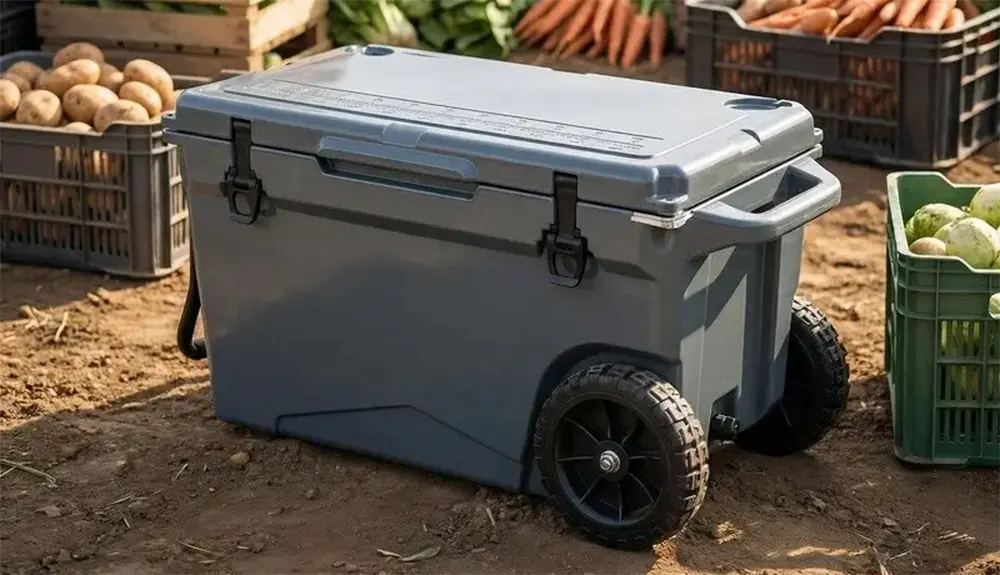
A purpose-designed Pharma Cold Chain Box can help provide an insulated environment for pharmaceutical shipments during transportation. When used as part of a qualified packaging system, it may help protect products against external temperature changes. However, an insulated box alone does not establish pharmaceutical compliance. The packaging configuration, cooling materials, monitoring process, and handling procedures must all match the requirements of the specific product and applicable regulations.
1. Why Pharmaceutical Temperature Control Matters
Pharmaceutical products are developed and tested under defined conditions. Their approved storage requirements may specify a particular temperature range, protection from freezing, or other environmental restrictions.
If products are exposed to unsuitable conditions, their quality may be affected. Some temperature excursions may not cause an obvious visual change, making it difficult to judge product condition through inspection alone.
For this reason, pharmaceutical distributors need documented procedures for storage, packaging, transport, and receipt. Product-specific instructions should always take priority over general assumptions about cold storage.
2. Insulation Helps Reduce External Temperature Effects
An insulated pharmaceutical shipping box slows the transfer of heat between the internal space and the surrounding environment. This can help protect the shipment while it moves through areas where temperature conditions are less controlled.
The performance of the container depends on its insulation material, wall thickness, lid construction, closure quality, and the external environment. Journey duration and the way the package is loaded also influence results.
A packaging system should be assessed under conditions that reflect its intended route, including expected weather, transit time, and potential delays.
3. Cooling Materials Must Match Product Requirements
Pharmaceutical packaging may use gel packs, phase-change materials, or other temperature-control elements. The correct choice depends on the product’s approved temperature range and whether it is sensitive to freezing as well as heat.
Simply placing frozen packs around medicines is not a reliable universal method. Incorrectly conditioned cooling materials or poor placement can expose products to temperatures below their permitted limits.
Packing instructions should specify the preparation, quantity, and arrangement of cooling materials. Staff should receive training so that each shipment is assembled consistently.
4. Temperature Monitoring Provides Evidence
A shipment may encounter temperature changes that are not visible from the outside. Monitoring equipment can provide a record of conditions during storage and transportation.
Depending on the shipment, this may involve calibrated data loggers, temperature indicators, or other suitable devices. Their measurement range, placement, accuracy, and recording intervals should be appropriate for the application.
Organizations should establish a clear process for reviewing temperature records and handling excursions. Products should not automatically be released for use after a temperature deviation without following the appropriate quality assessment procedure.
5. Packaging Qualification and Validation
Pharmaceutical transportation often requires evidence that the packaging system can maintain the required conditions during its intended use. This may involve qualification testing under defined temperature profiles and other relevant operating conditions.
Testing should consider the complete packaging configuration, not merely the empty outer box. The arrangement of the product, insulation, cooling elements, and monitoring devices can all affect performance.
A container that performs well on one route or in one season may not automatically be suitable for another. Changes in package size, cooling materials, transit time, or shipping method may require reassessment.
6. Construction, Handling, and Documentation
The physical design should support secure and repeatable packing. Look for a well-fitting lid, durable walls, dependable closures, and sufficient capacity for the shipment configuration.
Clear labels and shipping documentation help staff identify the product and follow the correct handling procedures. Records may include packing details, monitoring information, dispatch time, and receipt checks.
Containers should also be inspected and maintained according to the manufacturer’s instructions. Any damage that could affect insulation or closure performance should be assessed before the next shipment.
7. What to Evaluate Before Selecting a Solution
When comparing pharmaceutical cold chain boxes, consider:
- Product requirements: Confirm the approved temperature range and handling restrictions.
- Insulation performance: Review evidence from relevant packaging tests.
- Cooling configuration: Check compatibility with the required temperature-control materials.
- Monitoring: Confirm that suitable temperature-recording devices can be used.
- Validation: Determine whether qualification or route-specific testing is required.
- Compliance: Review applicable pharmaceutical distribution standards and carrier requirements.
- Operational support: Consider packing instructions, staff training, maintenance, and documentation.
Conclusion
Pharmaceutical cold chain boxes can contribute to safer and more controlled transportation by providing insulation and a structured packaging environment. Their suitability depends on product-specific requirements, validated packing configurations, appropriate cooling materials, and reliable temperature monitoring. By treating the box as one part of a complete pharmaceutical distribution system, organizations can improve oversight and manage transportation risks more effectively.