
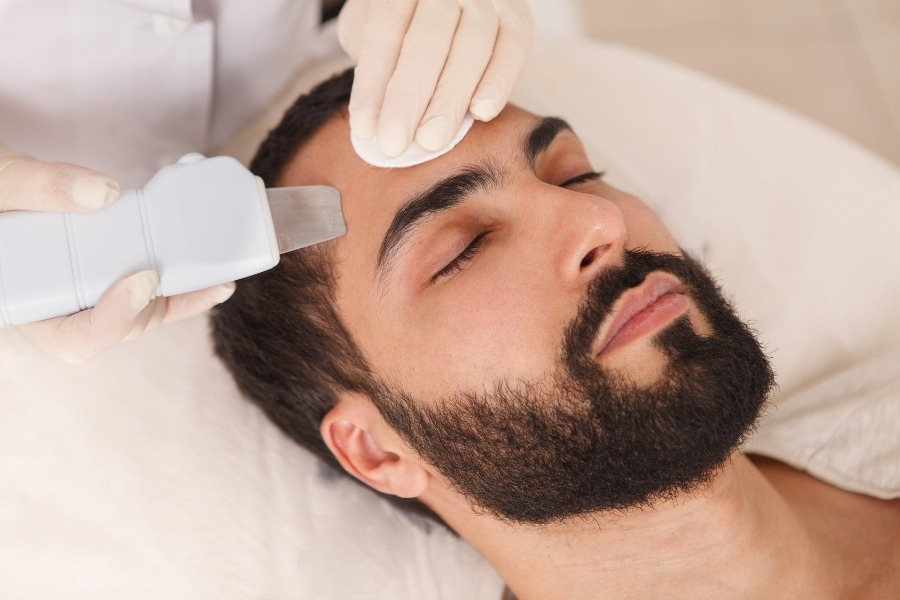
Healthy-looking skin is influenced by much more than the products applied to the face. Genetics, environmental exposure, lifestyle habits, hydration, and age can all affect its appearance. For this reason, people exploring ways to improve their complexion often encounter a wide range of skincare approaches, from conventional topical products to professional cosmetic procedures and modern beauty devices.
The term Skin Therapy covers several approaches intended to support skin appearance and address particular cosmetic concerns. Understanding the differences between these options is important because no single method is appropriate for every skin type or concern. A good starting point is to identify your priorities and consider treatments that match your individual requirements.
Understanding the Different Approaches to Skin Care
Skin therapy is not one specific treatment. It includes various methods that may be used individually or as part of a broader skincare plan.
Some approaches focus on maintaining hydration and protecting the skin barrier. Others target concerns such as uneven pigmentation, acne, fine lines, or changes in skin texture.
The available options generally fall into three broad categories.
Everyday Topical Skincare
Cleansers, moisturizers, serums, and sunscreen form the foundation of many skincare routines.
These products can serve different purposes depending on their ingredients. For example, moisturizers help maintain hydration, while sunscreen protects against ultraviolet exposure.
Targeted formulations may include ingredients such as retinoids, niacinamide, vitamin C, or salicylic acid.
Choosing products according to skin type and individual concerns is more useful than following every new beauty trend.
Professional Cosmetic Treatments
Some concerns may require services provided by qualified skincare professionals or dermatologists.
Depending on the individual’s needs, options may include chemical peels, microneedling, laser procedures, or other professionally administered treatments.
These procedures differ in intensity, recovery requirements, potential side effects, and suitability. A professional consultation is important before deciding on any treatment.
Technology-Based Skincare
Beauty equipment has expanded the range of products available for personal use.
Examples include LED facial masks, specialized light devices, and other electronic skincare accessories. Their functions vary, so consumers should understand the intended application and technical specifications before purchasing.
Such equipment may complement an existing routine, but it should not be considered an automatic replacement for established skin care or medical treatment.
Choosing an Approach for Your Main Skin Concern
Different skin concerns require different considerations.
Dryness and dehydration: A routine containing suitable moisturizers and hydrating ingredients may help improve the appearance and feel of dry skin.
Uneven complexion: Certain topical ingredients and professionally recommended treatments may help address the appearance of uneven skin tone.
Blemish-prone skin: Established ingredients such as benzoyl peroxide and salicylic acid are commonly used in acne-focused skincare.
Visible aging: Sunscreen, moisturizers, and suitable retinoid products are frequently included in routines targeting fine lines and uneven texture.
Sensitive skin: A simpler routine with fewer potentially irritating ingredients may be more appropriate.
Persistent or severe concerns deserve professional evaluation rather than repeated experimentation with over-the-counter products.
Lifestyle Habits That Support Skin Appearance
Skincare does not begin and end with cosmetic products.
A balanced diet, adequate sleep, regular physical activity, and avoiding smoking can support general well-being and contribute to healthy-looking skin.
Environmental protection also matters. Ultraviolet exposure can contribute to premature skin aging, making consistent sunscreen use an important daily habit.
It is equally important to avoid excessive exfoliation and harsh cleansing, both of which may interfere with the skin’s protective barrier.
How to Evaluate a Skin Therapy Product
When comparing treatments, look beyond promotional photographs and broad promises.
Check the ingredients, intended application, available research, safety information, and manufacturer’s instructions. For electronic devices, examine technical specifications and relevant product documentation.
Consider whether the product fits your routine, budget, and actual skincare goals. A treatment that is inconvenient or unsuitable for your skin is unlikely to become a useful long-term choice.
A More Informed Approach to Skin Wellness
Exploring skin therapy options can help people better understand the many ways to care for their complexion. However, effective skincare is rarely about finding one remarkable product.
It involves identifying individual concerns, selecting suitable treatments, protecting the skin from environmental damage, and maintaining consistent habits.
With realistic expectations and appropriate professional guidance when necessary, it becomes easier to create a skincare approach that is both practical and suited to your personal needs.