
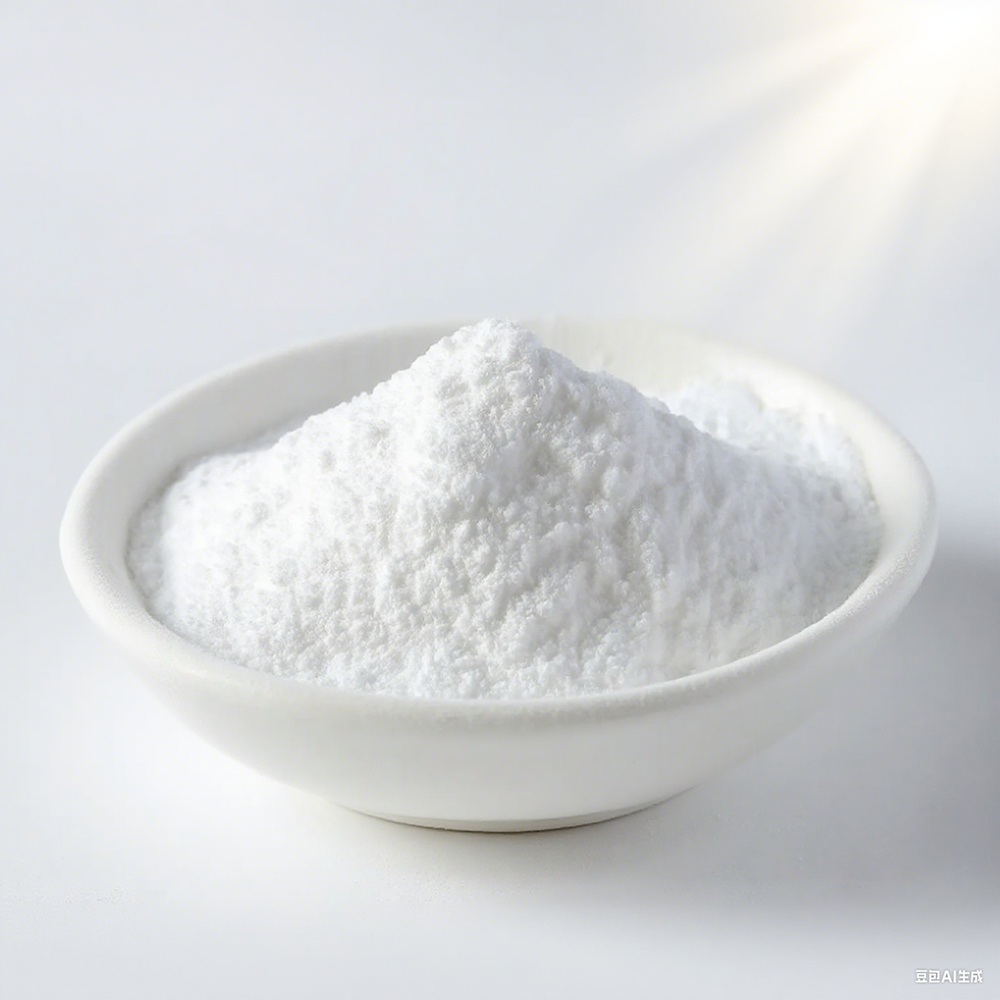
Calcium HMB is a dietary supplement ingredient used primarily in sports nutrition and specialized nutritional formulations. It is the calcium salt of beta-hydroxy-beta-methylbutyrate (HMB), a compound naturally produced in small quantities during the metabolism of the essential amino acid leucine. Researchers have investigated HMB for its potential effects on muscle protein metabolism, muscle maintenance, and exercise recovery, making it an ingredient of interest to supplement brands and active consumers.
Understanding the properties and applications of Calcium Hmb can help manufacturers develop consistent formulations and help buyers evaluate ingredient quality. Its effectiveness and suitability depend on factors such as product composition, serving size, overall nutrition, and individual needs. This article explores the biological background of calcium HMB, its potential benefits, formulation considerations, manufacturing controls, and quality standards relevant to supplement production.
What Is Calcium HMB?
Calcium HMB, also called HMB-CA or Ca-HMB, is the calcium salt of beta-hydroxy-beta-methylbutyrate. HMB is a metabolite formed during the breakdown of leucine, one of the three branched-chain amino acids (BCAAs).
The body naturally produces a limited amount of HMB from leucine metabolism. Supplement products provide an additional concentrated source of the compound.
Calcium HMB is commonly supplied as a white or off-white powder for use in capsules, tablets, and powdered nutritional products. Its calcium salt form makes it suitable for a range of commercial supplement formulations.
Key characteristics include:
- Chemical identity: Calcium beta-hydroxy-beta-methylbutyrate.
- Common abbreviations: Calcium HMB, HMB-CA, and Ca-HMB.
- Nutritional category: A metabolite-related supplement ingredient, not an essential amino acid.
- Common applications: Sports nutrition and specialized dietary supplements.
- Typical product forms: Powder, capsules, tablets, and multi-ingredient blends.
The quantity of calcium HMB in a product should be distinguished from the amount of HMB it provides. Formulators should use a clearly defined assay basis when calculating ingredient quantities and label declarations.
Understanding the Relationship Between HMB and Leucine
Leucine is an essential amino acid that the body must obtain from food or suitable nutritional products. It plays a role in protein formation and nutrient signaling.
During metabolism, leucine is converted into alpha-ketoisocaproate (KIC). A portion of this intermediate can then be converted into HMB through an enzymatic pathway.
This relationship explains why HMB is often discussed alongside BCAAs. However, HMB and leucine are different compounds with distinct chemical structures and functions.
Leucine is directly incorporated into proteins and is well known for its role in signaling pathways associated with muscle protein synthesis. HMB is a downstream metabolite that has been studied for its possible effects on muscle protein turnover.
Potential Benefits of Calcium HMB
Calcium HMB has been researched in relation to muscle metabolism, physical activity, and muscle maintenance. Although some studies have reported positive findings in particular groups, results are not uniform, and benefits should not be guaranteed.
1. Supporting Muscle Maintenance
Muscle tissue is continuously remodeled through protein synthesis and protein breakdown. Maintaining muscle requires a balance between these processes, supported by adequate nutrition and physical activity.
HMB has been studied for its potential influence on pathways associated with muscle protein breakdown. This has generated interest in its use in products intended for people who want to maintain muscle as part of an active lifestyle.
2. Potential Role in Exercise Recovery
Some research has examined whether HMB supplementation influences indicators of exercise-induced muscle damage and recovery.
Results vary according to the study population, exercise protocol, supplementation period, and other factors. Calcium HMB should therefore not be described as a guaranteed way to accelerate recovery or eliminate muscle soreness.
3. Interest in Muscle Protein Metabolism
HMB is associated with biochemical pathways involved in muscle protein turnover. Research has investigated its possible effects on both protein synthesis and breakdown.
It is important to distinguish these proposed effects from the well-established role of leucine in activating nutrient-signaling pathways. HMB is not a substitute for leucine or for a complete supply of essential amino acids.
4. Applications in Specialized Nutrition
Researchers have also examined HMB in populations such as older adults and people experiencing periods of reduced physical activity.
Its potential relevance to muscle maintenance in these groups remains an area of study. Supplement decisions should consider individual health conditions, dietary intake, and professional healthcare advice.
Calcium HMB in Sports Nutrition Products
Calcium HMB is commonly included in sports nutrition formulations designed for active adults and people engaged in resistance training.
Its role in a product depends on the formulation and the evidence supporting the intended use.
Resistance Training Supplements
Some products combine calcium HMB with protein, amino acids, creatine, or other sports nutrition ingredients.
These combinations are designed to provide several nutritional components in one product. However, the presence of HMB does not establish that the finished formula will independently increase strength or muscle size.
Muscle Maintenance Formulations
Calcium HMB may be included in products intended for people interested in maintaining muscle mass.
Such products are best considered alongside adequate protein intake, sufficient energy consumption, and regular physical activity.
Recovery-Oriented Blends
Some manufacturers add HMB to multi-ingredient products marketed for exercise recovery.
When developing these products, formulators should assess ingredient compatibility, serving size, stability, and the evidence supporting each product claim.
Common Calcium HMB Supplement Forms
Calcium HMB can be incorporated into different dosage forms according to consumer preferences and manufacturing requirements.
1. Calcium HMB Powder
Powder is a flexible format for sports nutrition manufacturers. It can be blended into flavored drink mixes, protein products, and other powdered supplements.
Manufacturers should evaluate particle size, moisture, density, and flowability to support consistent blending and filling.
2. Calcium HMB Capsules
Capsules offer a convenient way to deliver a measured amount of calcium HMB.
Formulation considerations include ingredient bulk density, capsule size, fill weight, blend uniformity, and the suitability of any additional excipients.
3. Calcium HMB Tablets
Tablets are another option for supplement brands. The ingredient may be combined with binders, fillers, lubricants, and other excipients as needed.
Tablet development requires evaluation of compressibility, hardness, friability, disintegration, and content uniformity.
4. Multi-Ingredient Sports Nutrition Blends
Calcium HMB may be combined with ingredients such as:
- Whey or plant-based protein.
- Essential amino acids.
- Branched-chain amino acids.
- Creatine.
- Vitamins and minerals.
- Carbohydrates and flavoring systems.
The finished formulation should have a clear ingredient declaration and appropriate serving information. Compatibility and stability should be assessed rather than assumed.
Calcium HMB Compared with Other HMB Forms
HMB is available in different chemical forms, with calcium HMB and free-acid HMB being two commonly discussed options.
| Feature | Calcium HMB (HMB-CA) | Free-Acid HMB (HMB-FA) |
|---|---|---|
| Chemical form | Calcium salt of HMB | Free-acid form |
| Calcium component | Present as part of the salt | Not present as a counterion |
| Common applications | Powder-based supplement formulations | Specialized supplement formulations |
| Formulation considerations | HMB content, calcium contribution, powder properties | HMB content, physical form, and product stability |
| Comparison basis | Actual HMB content and calcium content | Actual HMB content |
These forms should not be compared solely by the total weight of the ingredient. Their chemical composition differs, so formulators should calculate the HMB contribution using the relevant product specifications.
Manufacturing Process of Calcium HMB
Commercial calcium HMB is manufactured through controlled chemical processing. Specific production methods vary among manufacturers, but a general workflow may include the following stages.
1. Raw Material Selection
Starting materials are selected according to the manufacturing process and product specification.
Raw material qualification helps ensure that inputs meet defined identity and quality requirements before production begins.
2. Chemical Synthesis
The HMB component is produced through a controlled chemical process.
Manufacturers monitor reaction parameters, reagent quantities, and processing conditions to support consistent product formation.
3. Calcium Salt Formation
The HMB component is reacted with an appropriate calcium source to form calcium HMB.
Process controls help ensure that the resulting material has the intended chemical composition.
4. Separation and Purification
The reaction product is separated from the remaining process mixture.
Purification operations may include filtration, washing, concentration, or other suitable techniques to reduce unwanted substances.
5. Drying and Powder Processing
The purified material is dried to meet the specified moisture requirements.
Depending on the manufacturing process, milling and sieving may be used to achieve the desired particle-size distribution.
6. Quality Testing
The finished ingredient is tested against approved specifications.
Testing may cover identity, assay, calcium content, moisture, relevant impurities, and physical characteristics.
7. Packaging and Storage
The final powder is packed in suitable containers to protect it during handling, storage, and distribution.
Packaging selection and storage conditions should follow the manufacturer’s stability data and product recommendations.
Quality Standards for Calcium HMB
Quality control is essential for ensuring that calcium HMB meets its intended specifications and performs consistently in finished supplements.
Ingredient Identity
Identity testing confirms that the ingredient matches the specified calcium HMB compound.
Analytical techniques should be suitable for the material and the intended testing purpose.
Assay and HMB Content
Assay testing determines whether the ingredient meets its specified content requirements.
A critical consideration is the basis of the assay. Specifications should make clear whether the result refers to the calcium salt, HMB equivalent, or another defined measurement.
Calcium Content
Calcium content is relevant because calcium is part of the compound’s salt structure.
Testing can help confirm that the material’s composition is consistent with its identity and product specification.
Purity and Related Substances
Manufacturers should establish appropriate controls for impurities that may originate from starting materials, chemical processing, or storage.
Acceptance limits should be based on the intended application and applicable requirements.
Moisture Content
Moisture testing verifies that the material meets its drying specifications.
Appropriate moisture control supports consistent powder handling and helps reduce potential storage-related issues.
Elemental Impurities
Depending on the intended application and relevant standards, testing may be required for elemental impurities such as lead, arsenic, cadmium, and mercury.
Microbiological Quality
Microbiological requirements depend on the ingredient’s intended use, grade, and applicable product standards.
Manufacturers should establish suitable hygiene controls and testing procedures where required.
Certificate of Analysis
A batch-specific Certificate of Analysis (CoA) provides documented results for an identified lot.
A complete CoA should identify the ingredient, batch number, applicable specifications, test results, and relevant approval details.
Physical Properties and Formulation Considerations
Chemical purity alone does not determine whether an ingredient is suitable for a particular manufacturing process. Physical properties can influence blending, filling, and finished-product consistency.
Important characteristics include:
- Particle size: Influences blending behavior and powder distribution.
- Bulk density: Affects storage volume and equipment settings.
- Flowability: Influences movement through hoppers and filling systems.
- Moisture content: Can affect handling and storage behavior.
- Appearance: Helps identify visible changes or inconsistencies.
- Blend uniformity: Helps ensure that active ingredients are distributed consistently in the finished product.
Manufacturers should assess these properties under conditions that reflect their actual production equipment and formulation design.
Safety and Responsible Use
Calcium HMB is used as a dietary supplement ingredient, but its suitability varies between individuals.
Consumers should follow product directions and consider their overall diet, health status, and other supplements. Anyone who is pregnant, breastfeeding, managing a medical condition, or taking medication should consult a qualified healthcare professional before using a new supplement.
Responsible product development also requires manufacturers to avoid unsupported claims. Calcium HMB should not be presented as a treatment for disease or as a guaranteed way to build muscle, increase strength, or improve recovery.
How to Select a Reliable Calcium HMB Supplier
For supplement brands and ingredient purchasers, supplier evaluation should cover both chemical quality and commercial reliability.
1. Confirm Chemical Identity
Verify that the supplier provides calcium HMB and clearly identifies the chemical form.
2. Review the Specification
Check the assay basis, HMB content, calcium content, moisture limits, and relevant impurity requirements.
3. Request Batch Documentation
Review a representative CoA and confirm that each delivered batch has appropriate traceability and supporting test results.
4. Assess Manufacturing Controls
Ask about raw material qualification, process controls, quality-management practices, and batch traceability.
5. Evaluate Powder Characteristics
For powder-based manufacturing, consider particle size, bulk density, and flowability to ensure compatibility with blending and filling equipment.
6. Check Packaging and Storage
Confirm that the packaging protects the ingredient during storage and transportation. Review the supplier’s recommended storage conditions and shelf-life information.
7. Consider Supply Consistency
Commercial buyers should evaluate production capacity, lead times, batch-to-batch consistency, technical support, and long-term availability.
Frequently Asked Questions
What is calcium HMB used for?
Calcium HMB is commonly used in sports nutrition and specialized dietary supplements. It has been studied for its potential effects on muscle protein metabolism and muscle maintenance.
Is calcium HMB an amino acid?
No. It is the calcium salt of HMB, a metabolite produced during leucine metabolism. It is not an essential amino acid or a complete protein source.
What does HMB-CA mean?
HMB-CA is an abbreviation for calcium beta-hydroxy-beta-methylbutyrate. The terms calcium HMB and Ca-HMB are also commonly used.
Is calcium HMB the same as leucine?
No. Leucine is an essential branched-chain amino acid, while HMB is a metabolite formed from leucine through normal metabolic pathways.
What is the difference between calcium HMB and free-acid HMB?
Calcium HMB is the calcium salt form, while free-acid HMB is the acid form of the compound. Their composition differs, so products should be compared using their actual HMB content rather than total ingredient weight.
What quality tests are important for calcium HMB?
Relevant testing may include identity, assay, HMB content, calcium content, moisture, related substances, elemental impurities, and microbiological quality where applicable.
Can calcium HMB replace protein?
No. Calcium HMB does not provide the essential amino acids required to build proteins. Adequate protein intake remains important for normal muscle maintenance and growth.
Conclusion
Calcium HMB is a specialized supplement ingredient used in sports nutrition and formulations focused on muscle-related nutritional support. As the calcium salt of beta-hydroxy-beta-methylbutyrate, it is connected to leucine metabolism and has been investigated for its potential role in muscle protein turnover and maintenance.
For consumers, responsible use means understanding the available evidence, reviewing product labels, and considering individual nutritional needs. For manufacturers and commercial buyers, careful evaluation of ingredient identity, HMB assay basis, calcium content, impurities, moisture, physical properties, and batch documentation is essential. Consistent manufacturing controls and reliable supplier information help support the development of high-quality calcium HMB supplements.