
A cough that lingers for weeks, breathlessness after climbing a flight of stairs or wheezing that returns at night can be easy to dismiss. People often blame these changes on the weather, dust, a recent infection, or simply being out of shape. Sometimes, that explanation is correct. But when breathing problems persist, worsen or begin affecting everyday activities, they deserve closer attention.
Lung diseases can develop gradually, making early symptoms difficult to recognise. Knowing what to look for can help you seek medical advice before a problem becomes harder to manage.
Symptoms That May Point to a Lung Problem
A persistent cough is one of the most common signs of respiratory trouble. A cough that lasts several weeks, keeps returning, or produces excessive mucus may be linked to asthma, bronchitis, an infection, or another lung condition. Mucus colour alone cannot confirm the cause, so a proper assessment matters.
Shortness of breath also warrants attention, particularly when familiar activities suddenly feel difficult. You might pause while walking, struggle to climb stairs, or feel breathless even at rest. Although fitness levels and other health conditions can affect breathing, a noticeable change should not be ignored.
Wheezing, a whistling sound while breathing, can occur when the airways narrow. It often accompanies asthma, though other respiratory conditions can cause it too. Some people experience chest tightness alongside wheezing, particularly at night or after exposure to dust, smoke and other irritants.
Sleep can also offer useful clues. Loud snoring, repeated waking, gasping during sleep, or persistent daytime tiredness may indicate sleep apnoea or another breathing-related problem. Frequent respiratory infections, chest discomfort when breathing and coughing up blood also need medical assessment.
When Should You See a Pulmonologist?
A pulmonologist specialises in diagnosing and treating lung and respiratory conditions. Consider booking an appointment if a cough lasts several weeks, breathlessness keeps returning, wheezing disrupts sleep, or respiratory symptoms interfere with work and daily routines.
People living with asthma or chronic obstructive pulmonary disease (COPD) may also need specialist input if their symptoms become more frequent or their usual treatment stops helping. A pulmonologist can assess symptom patterns, review medical history, and recommend appropriate investigations.
Seek urgent medical attention for severe or sudden breathing difficulty, intense chest pain, blue or grey lips, confusion or significant coughing up of blood. These symptoms should not wait for a routine appointment. If breathing becomes severely difficult, contact emergency services immediately.
What Happens During a Lung Assessment?
Your first consultation will usually begin with questions about your symptoms, when they started and what makes them better or worse. The doctor may ask about smoking, workplace exposure to dust or chemicals, allergies, previous infections and family history.
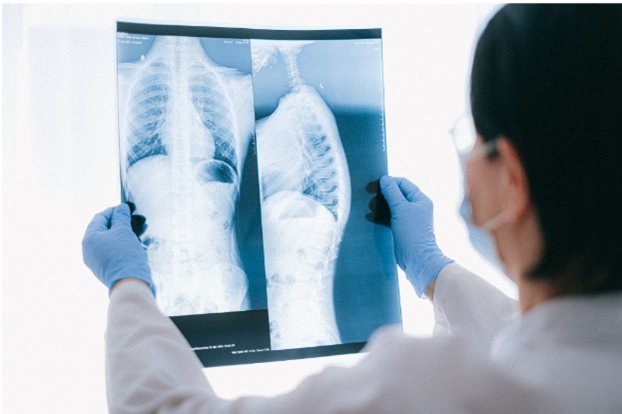
Depending on the findings, investigations may include lung function tests, chest imaging or a sleep study. In selected cases, a bronchoscopy may be recommended to examine the airways more closely. Not everyone needs every test; the choice depends on the symptoms and suspected condition.
Finding the Right Care in Your Area
Access to specialist assessment matters when respiratory symptoms persist. People looking for the best hospital near Amalapuram, for instance, may want to consider practical factors such as access to pulmonology consultations, diagnostic facilities, and emergency support, along with the doctor’s experience and available services.
They can travel towards the northern side and consider multispeciality hospitals in Kakinada for patients who need respiratory assessment alongside care from other medical specialists. The right setting depends on the individual’s symptoms, medical history and the investigations or treatment required.
Pay Attention to Changes in Your Breathing
Breathing difficulties do not always signal serious disease, but persistent symptoms deserve more than guesswork. Keep track of when they occur, how long they last and whether they are getting worse. This information can help a doctor understand what is happening.
If coughing, wheezing, or breathlessness has become part of your daily routine, arrange a medical assessment rather than learning to live around it. Recognising a change early gives you a better opportunity to understand its cause and get appropriate care.


