Safety Tips for Operating an Electric Skid Steer in Indoor and Outdoor Environments
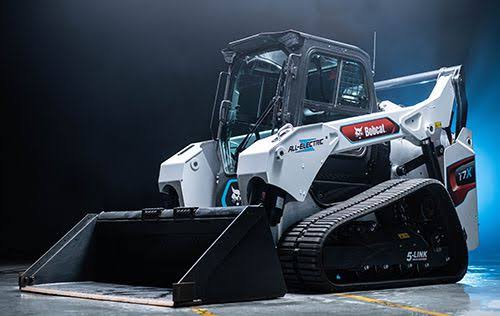
Electric skid steers are widely used for material handling, construction, landscaping, agriculture, and property maintenance. Their compact design allows them to maneuver in confined work areas, while battery-powered operation eliminates tailpipe exhaust during use. However, safe operation still requires proper training, equipment inspections, and an understanding of the hazards associated with moving machinery.
Operating an Electric Skid Steer indoors presents different challenges from working outdoors. Enclosed spaces may have limited visibility and restricted ventilation, while outdoor sites can involve uneven terrain, changing weather, and unstable ground. Following appropriate safety procedures helps operators protect themselves, nearby workers, and the equipment.
1. Complete a Pre-Operation Inspection
Before starting work, inspect the machine to identify problems that could affect safe operation. A routine inspection can reveal damaged components, fluid leaks, worn tires or tracks, and other issues before they cause an accident.
Check the following items according to the manufacturer’s instructions:
- Tires or tracks for damage, wear, and appropriate condition.
- Lift arms, attachment mounts, pins, and locking mechanisms.
- Hydraulic hoses, fittings, cylinders, and visible signs of leakage.
- Battery enclosure, accessible electrical cables, and charging connectors.
- Operator controls, warning indicators, alarms, and safety interlocks.
- Seat belt, restraint bar, access steps, and other safety equipment.
If a critical component is damaged or a warning indicates an unsafe condition, do not operate the machine until the issue has been assessed and corrected by qualified personnel. Never bypass safety interlocks to keep equipment running.
2. Wear Appropriate Personal Protective Equipment
Personal protective equipment helps reduce the risk of injury during machine operation. The required equipment depends on the worksite, the materials being handled, and the hazards associated with the task.
Operators commonly need safety footwear, suitable work clothing, and high-visibility garments where other vehicles or workers are present. Hard hats, eye protection, hearing protection, gloves, and respiratory protection may also be required by the site’s risk assessment.
Loose clothing, dangling accessories, and unsecured items can become caught in moving components. Operators should secure long hair and keep clothing clear of controls, rotating parts, and attachment mechanisms.
Personal protective equipment does not replace safe operating practices. Operators must still follow site rules, maintain awareness of nearby workers, and use the machine within its rated limits.
3. Understand the Machine’s Controls and Safety Features
Operators should receive model-specific training before using an electric skid steer. Controls, warning systems, operating modes, and emergency procedures can vary between manufacturers and models.
Before beginning a task, understand how to control forward and reverse movement, turning, lift-arm operation, attachment functions, parking, and emergency stopping. Learn the meaning of battery warnings and any indicators associated with electrical or hydraulic faults.
Depending on the machine, safety features may include an operator-presence system, seat belt, restraint bar, parking brake, backup alarm, and control interlocks. These systems should be checked during the pre-operation inspection and used as instructed.
Never assume that familiarity with one skid steer automatically qualifies you to operate another. Review the operator’s manual and receive appropriate instruction whenever the machine’s controls or safety systems differ.
4. Maintain Safe Entry, Exit, and Parking Procedures
Many injuries occur when operators enter or leave equipment improperly. Use designated steps and handholds, maintain three points of contact where possible, and face the machine while climbing in or out.
Before leaving the operator’s position, park on suitable ground, lower the lift arms and attachment, place the controls in the prescribed safe position, and apply the parking brake according to the manufacturer’s procedure. Turn off the machine and remove or secure the key as required.
Never leave raised lift arms unsupported while working around the machine. If maintenance requires access beneath raised components, use only the approved mechanical supports and isolation procedures specified by the manufacturer.
When parking indoors, keep exits, fire equipment, walkways, and emergency access routes clear. Outdoors, avoid unstable edges, steep slopes, and locations where the machine could roll or slide.
5. Follow Safe Operating Practices Indoors
Indoor environments often have limited maneuvering space, restricted sightlines, low ceilings, and nearby workers or stored materials. These conditions require deliberate movements and careful route planning.
Before entering a building, check doorway dimensions, overhead clearance, turning space, floor strength, and the route to the work area. Confirm that the machine and attachment can pass safely through the available space.
During operation:
- Travel at a controlled speed appropriate to the available clearance.
- Keep a clear view of the intended travel path.
- Use a trained spotter when visibility is restricted.
- Keep people away from the machine’s turning area and attachment.
- Avoid sudden turns near walls, racks, doors, and stored materials.
- Stop if pedestrians enter the operating zone.
Electric equipment produces no tailpipe exhaust during operation, but that does not eliminate every indoor air-quality concern. Dust, fumes from other equipment, chemicals, and materials being handled may still create hazards. Assess ventilation and follow the facility’s safety requirements.
6. Protect Floors and Indoor Infrastructure
Warehouse floors, finished concrete, loading areas, and other indoor surfaces may be damaged by excessive loads, sharp turns, or unsuitable tires and tracks. Floor capacity is especially important in multilevel buildings or areas with raised platforms.
Confirm that the floor can support the machine’s weight, carried load, and any additional forces created during operation. Follow the manufacturer’s guidance on tire or track selection and avoid aggressive skid turns on sensitive surfaces.
Take care near drainage channels, floor openings, ramps, loading docks, and temporary coverings. These features may not support the machine’s weight and can create rollover or collapse hazards.
Where forklifts, pedestrians, or other vehicles share the building, use designated travel routes and comply with site traffic-management procedures.
7. Operate Safely on Outdoor Terrain
Outdoor construction and agricultural sites may contain loose soil, mud, gravel, rocks, ruts, and uneven ground. These conditions can affect traction, stability, and stopping distance.
Inspect the route before moving the machine, particularly when approaching slopes, trenches, embankments, or recently excavated areas. Keep a safe distance from unsupported edges and avoid ground that may collapse under the machine’s weight.
Travel slowly over uneven surfaces and avoid sudden changes in direction. Carry loads as low as practical while traveling, following the operator’s manual, and avoid turning sharply on slopes.
Never assume that a compact machine can safely cross every obstacle. If the ground is too steep, soft, or unstable, choose another route or use equipment better suited to the conditions.
8. Handle Loads Within the Machine’s Rated Capacity
Overloading a skid steer can reduce stability, impair steering, and increase the risk of tipping. The machine’s rated operating capacity is a key reference, but safe handling also depends on load position, attachment weight, ground conditions, and the height at which the load is carried.
Before lifting materials, check the load’s approximate weight and confirm that the machine and attachment are suitable. Secure materials where necessary and avoid loads that shift, obstruct visibility, or extend beyond the intended handling arrangement.
Keep the load low while traveling and avoid raising lift arms unnecessarily when moving across the site. When placing materials, approach the destination carefully and ensure that no person is within the drop zone.
Never carry people in the bucket or on the lift arms unless the equipment is specifically designed and approved for that purpose. A skid steer bucket is not a personnel platform.
9. Use Attachments Correctly
Attachments can expand the machine’s capabilities, but each one introduces its own hazards. Buckets, pallet forks, augers, trenchers, sweepers, and other tools may have different connection, hydraulic, and operating requirements.
Before installation, shut down and secure the machine according to the manufacturer’s instructions. Confirm that the attachment is compatible, properly locked, and connected to the correct hydraulic or electrical interfaces where applicable.
During use, remain aware of moving parts, pinch points, rotating components, and the space required for the attachment to operate. Keep bystanders outside the designated hazard zone and never inspect or clear a blockage while the attachment is energized.
When changing attachments, follow the prescribed procedure and verify that locking mechanisms are fully engaged before returning to work.
10. Follow Battery and Electrical Safety Procedures
Electric skid steers introduce battery and electrical hazards that operators must understand. Although the battery is normally enclosed, damaged cables, connectors, charging equipment, or battery components can create serious risks.
Inspect accessible electrical components for visible damage before use. Do not operate equipment with exposed conductors, damaged charging connectors, or unresolved electrical warnings.
For charging, use approved equipment in a suitable location and follow the manufacturer’s instructions. Keep connectors protected from contamination and avoid charging in conditions outside the specified temperature or environmental limits.
Never open a high-voltage battery enclosure or attempt unauthorized electrical repairs. If there is smoke, unusual heat, a strong abnormal odor, visible battery damage, or suspected thermal runaway, stop work if it is safe to do so, keep people away, and follow the site’s emergency response plan. Contact emergency services when necessary.
11. Manage Weather and Visibility Outdoors
Rain, snow, ice, strong wind, and extreme temperatures can affect machine handling and battery performance. Wet or icy surfaces may reduce traction, while poor visibility makes it harder to identify people and obstacles.
Before starting work, assess current conditions and determine whether the task can be completed safely. Clean windows, mirrors, cameras, and lights where fitted, and use appropriate lighting when visibility is reduced.
In cold weather, follow the manufacturer’s battery and operating procedures because available power and runtime may change. In hot weather, monitor relevant temperature warnings and ensure that cooling systems are maintained.
Stop operation if weather or ground conditions become unsafe. Continuing a task simply to meet a deadline can expose operators and nearby workers to unnecessary risk.
12. Keep Pedestrians and Other Vehicles Clear
Skid steers can turn within a small area, but this maneuverability creates a risk for people who stand too close to the machine. Blind spots may prevent the operator from seeing pedestrians near the wheels, tracks, lift arms, or attachment.
Establish a clearly defined operating zone and use barriers, signs, or designated routes where appropriate. Workers should never approach a moving machine without making contact with the operator and confirming that it is safe to do so.
Use a trained spotter when required, particularly when reversing, working in congested areas, or handling loads that restrict the operator’s view. Agree on clear hand signals or communication procedures before work begins.
Do not rely solely on backup alarms or cameras. These devices support awareness but cannot replace direct observation and effective site traffic management.
13. Be Aware of Overhead and Underground Hazards
Construction and agricultural work may take place near overhead electrical lines, underground utilities, pipes, drainage systems, and buried cables. Contact with these hazards can cause serious injury, equipment damage, or service disruption.
Before excavation, drilling, grading, or similar work, identify underground services through the appropriate locating and authorization procedures. Never rely on assumptions about where utilities are installed.
Check overhead clearance before raising lift arms or operating attachments. Maintain the legally required clearance from overhead power lines and follow site-specific electrical safety rules.
If the machine contacts an electrical line, operators and workers should follow the established emergency procedure. Do not approach the machine or touch it from the ground until the electrical hazard has been assessed and the area has been declared safe by qualified personnel.
14. Use Safe Procedures for Slopes and Ramps
Slopes and ramps can increase the risk of tipping, sliding, or losing control. Safe operation depends on the machine’s design, load, attachment, surface conditions, and the manufacturer’s instructions.
Before using a slope, determine whether it falls within the machine’s permitted operating limits. Travel in the recommended direction, keep loads low, and avoid sudden turns or abrupt acceleration and braking.
Do not operate across a slope unless the manufacturer explicitly permits the practice under the conditions present. Wet grass, loose gravel, mud, and icy surfaces may be substantially more hazardous than firm, dry ground.
When loading or unloading equipment on a ramp or trailer, follow the approved procedure and ensure that the ramp, trailer, and ground can support the combined weight.
15. Train Operators and Establish Emergency Procedures
Safe equipment use depends on both individual competence and clear workplace procedures. Employers should ensure that operators receive appropriate training, understand the machine’s limits, and are authorized to perform their assigned tasks.
Training should cover pre-operation checks, safe travel, load handling, attachment changes, charging, parking, and hazard recognition. Refresher training may be appropriate when procedures change, incidents occur, or operators use unfamiliar equipment.
Worksites should also have clear procedures for responding to rollovers, hydraulic leaks, electrical faults, battery incidents, and injuries. Workers should know how to raise an alarm, isolate the work area, and contact the appropriate emergency personnel.
Report near misses and equipment defects promptly. Reviewing these events can help identify recurring hazards and improve future operating procedures.
Conclusion
Operating an electric skid steer safely requires attention to the machine, the work environment, the load, and the people nearby. Indoor work calls for careful clearance checks, floor assessment, and pedestrian control, while outdoor operations require particular attention to terrain, weather, slopes, and underground hazards.
Battery-powered equipment eliminates tailpipe exhaust but still presents mechanical, hydraulic, electrical, and stability risks. By conducting inspections, using compatible attachments, following manufacturer instructions, and maintaining proper operator training, businesses can reduce avoidable hazards and support safer, more reliable equipment operation.