Introduction
In modern foundation engineering, equipment reliability plays a crucial role in ensuring project efficiency and safety. Heavy-duty machinery used in deep foundation work operates under extreme pressure, making regular maintenance essential for long-term performance.
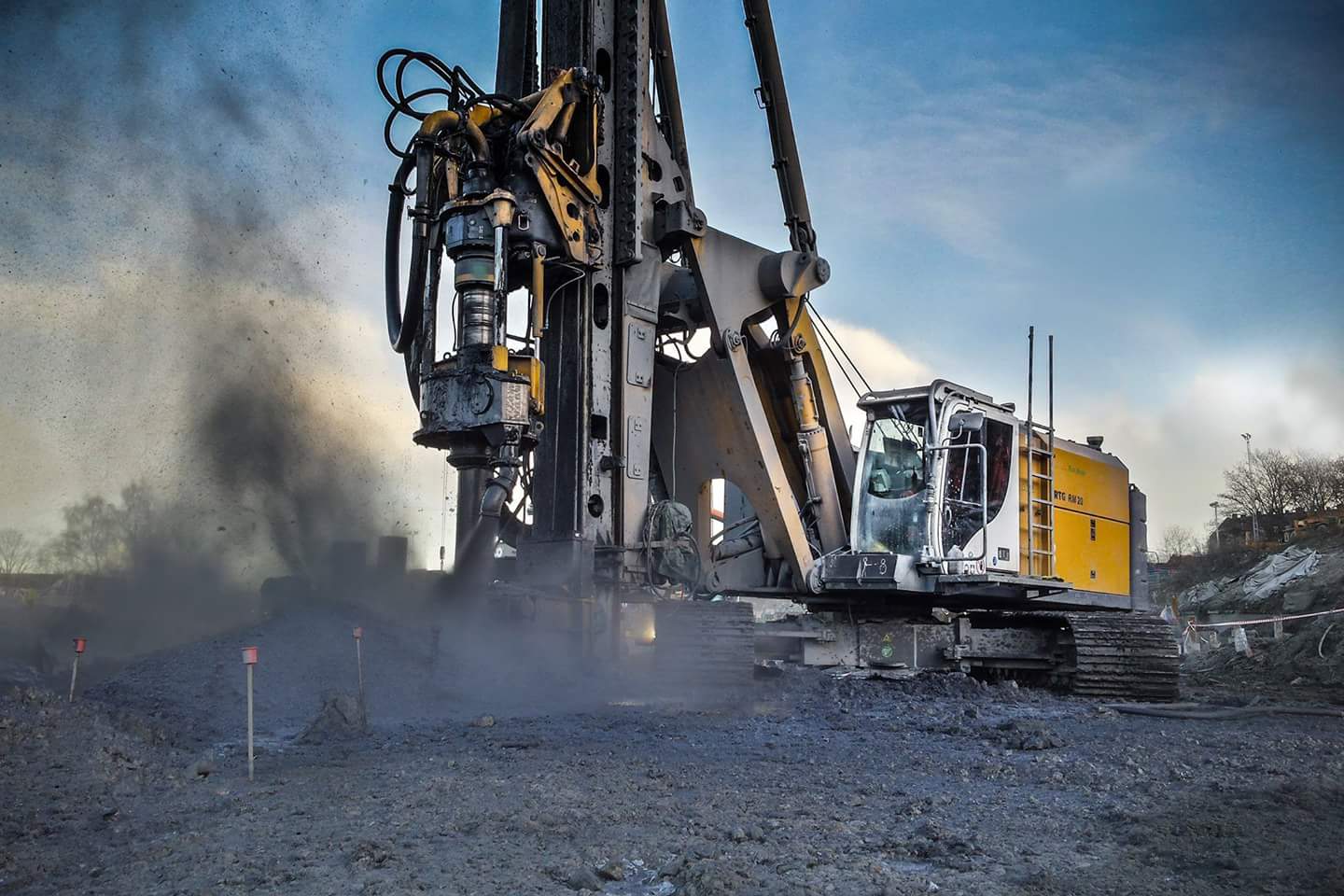
A pile drilling rig is one of the most important machines in construction, and proper servicing directly affects its durability, accuracy, and operational safety. A well-maintained pile drilling rig ensures consistent drilling performance across different soil conditions while reducing downtime and repair costs.
Importance of Regular Maintenance
Pile drilling rigs operate in harsh environments, including clay, gravel, sand, and rock layers. Continuous exposure to dust, vibration, and heavy loads can gradually affect machine performance.
Regular maintenance helps to:
- Prevent unexpected breakdowns
- Extend equipment lifespan
- Improve operational efficiency
- Ensure safe working conditions
- Reduce long-term repair costs
Ignoring maintenance can lead to reduced drilling accuracy and costly delays in construction projects.
Daily Inspection Checklist
Routine daily inspections are the first step in maintaining equipment reliability. Operators should check essential systems before and after each use.
Key inspection points include:
- Hydraulic fluid levels and possible leaks
- Condition of drilling tools and augers
- Tightness of bolts and structural joints
- Engine performance and fuel levels
- Control system responsiveness
Identifying small issues early helps prevent major mechanical failures.
Hydraulic System Maintenance
The hydraulic system is one of the most critical components of a pile drilling rig. It controls movement, pressure, and drilling force.
Proper maintenance practices include:
- Regular replacement of hydraulic oil
- Cleaning or changing hydraulic filters
- Inspecting hoses for cracks or leaks
- Monitoring pressure levels during operation
Keeping the hydraulic system clean and properly maintained ensures smooth and precise drilling performance.
Drilling Tool Care and Replacement
Drilling tools such as augers, drill bits, and buckets experience constant wear during operation. Their condition directly affects drilling efficiency and accuracy.
Maintenance guidelines include:
- Sharpening or replacing worn cutting edges
- Cleaning tools after each use
- Checking for deformation or cracks
- Using the correct tool type for soil conditions
Well-maintained tools improve penetration speed and reduce machine strain.
Engine and Power System Servicing
The engine or power unit provides the energy required for all rig operations. Regular servicing ensures stable output and fuel efficiency.
Key practices include:
- Changing engine oil and filters regularly
- Checking cooling system performance
- Inspecting belts and transmission components
- Ensuring proper fuel quality and storage
A well-serviced engine supports consistent drilling performance in all conditions.
Structural and Mechanical Checks
The structural integrity of the rig is essential for safe operation, especially during deep drilling activities.
Important checks include:
- Inspecting mast alignment and stability
- Checking chassis for cracks or wear
- Ensuring bolts and connections are secure
- Lubricating moving mechanical parts
These measures help maintain machine stability and reduce operational risks.
Electrical and Control System Maintenance
Modern pile drilling rigs rely on advanced control systems for precision and safety. Electrical components must be properly maintained to ensure reliability.
Maintenance tasks include:
- Inspecting wiring and connectors
- Updating or calibrating control software
- Testing sensors and monitoring systems
- Ensuring display panels function correctly
Proper care of control systems enhances operational accuracy and reduces human error.
Lubrication and Wear Protection
Lubrication is essential for reducing friction and preventing premature wear of moving parts.
Best practices include:
- Applying grease to joints and moving components
- Using manufacturer-recommended lubricants
- Maintaining lubrication schedules
- Avoiding over-lubrication, which can attract dust
Consistent lubrication ensures smoother machine operation and longer component life.
Storage and Long-Term Care
When the rig is not in use for extended periods, proper storage is necessary to prevent deterioration.
Recommended storage practices include:
- Keeping the machine in a dry and covered area
- Draining fluids if required for long-term storage
- Protecting exposed metal parts from rust
- Disconnecting power systems when idle
Proper storage helps preserve machine condition and readiness for future use.
Conclusion
Regular maintenance and proper servicing are essential for ensuring the long-term performance and safety of drilling equipment used in foundation construction. A well-maintained pile drilling rig not only improves efficiency but also reduces operational risks and repair costs.
By following structured maintenance practices, construction teams can ensure reliable performance, extend equipment lifespan, and achieve consistent results in deep foundation projects.