
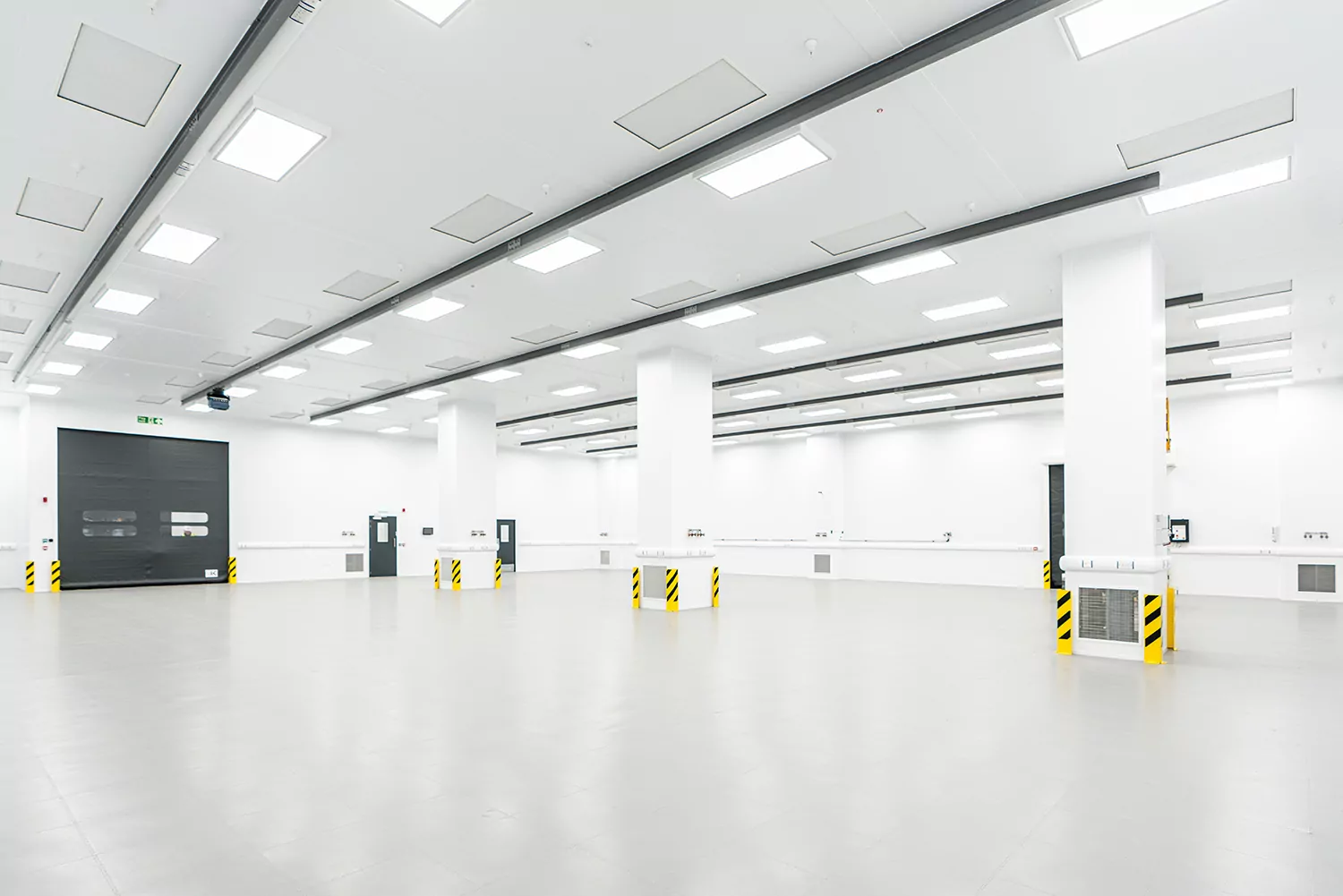
Cleanrooms are highly specialized environments designed to control airborne particles, temperature, humidity, and pressure with extreme precision. They are essential in industries such as pharmaceuticals, biotechnology, semiconductors, and medical device manufacturing, where even the smallest contamination can affect product quality and regulatory compliance.
Although turn-key delivery models are designed to simplify cleanroom development by integrating all project stages under one provider, executing these projects still involves significant technical and operational challenges. The complexity of engineering systems, strict regulatory requirements, and coordination of multiple disciplines can create difficulties even in well-managed projects.
A Turn-key Project for Clean Room helps reduce fragmentation by centralizing responsibility, but successful execution still depends on careful planning, technical expertise, and strict quality control throughout every phase.
Managing Complex Engineering Integration
One of the biggest challenges in cleanroom projects is integrating multiple engineering systems into a single, fully functional environment. These systems must work together seamlessly to maintain controlled conditions.
Key integration challenges include:
- Synchronizing HVAC, electrical, and filtration systems
- Ensuring proper airflow and pressure balance
- Preventing system conflicts during installation
- Maintaining consistent performance across all zones
Even small integration errors can impact contamination control and overall system efficiency.
Meeting Strict Regulatory Requirements
Cleanrooms must comply with stringent international standards such as ISO classifications and GMP regulations. Meeting these requirements consistently throughout the project lifecycle can be challenging.
Common compliance challenges include:
- Interpreting complex regulatory guidelines correctly
- Ensuring design aligns with validation requirements
- Maintaining documentation accuracy across all phases
- Passing regulatory inspections without delays
Failure to meet compliance standards can result in costly rework or project delays.
Coordinating Design, Manufacturing, and Construction
Even in a turn-key model, cleanroom projects involve multiple phases that must be tightly coordinated. Misalignment between design and construction teams can lead to inefficiencies.
Key coordination challenges include:
- Aligning engineering design with manufacturing output
- Ensuring accurate fabrication of modular components
- Managing on-site installation schedules effectively
- Avoiding delays caused by supply chain issues
Strong project management is essential to keep all phases synchronized.
Maintaining Precision in Environmental Control Systems
Cleanrooms require extremely precise control over environmental conditions. Achieving and maintaining this level of precision is technically demanding.
Challenges include:
- Achieving stable airflow patterns without turbulence
- Maintaining consistent temperature and humidity levels
- Controlling pressure differentials between clean zones
- Ensuring filtration systems perform reliably
Any deviation in these parameters can compromise product quality and compliance.
Quality Control Across All Project Phases
Ensuring consistent quality throughout the entire project lifecycle is another major challenge. Each stage must meet strict standards to ensure final system performance.
Quality-related challenges include:
- Verifying material quality before installation
- Ensuring proper assembly of modular systems
- Conducting thorough system testing and inspections
- Preventing defects during fabrication and installation
A lack of consistent quality control can lead to operational inefficiencies and compliance risks.
Managing Project Timelines and Delays
Cleanroom projects are often time-sensitive, especially in industries where production schedules are tightly linked to market demand. Delays can significantly impact business operations.
Common causes of delays include:
- Extended design revision cycles
- Manufacturing or supply chain disruptions
- Installation challenges on-site
- Extended validation and testing periods
Effective scheduling and coordination are essential to minimize these risks.
Ensuring Seamless Validation and Certification
Validation is one of the most critical and challenging stages in a cleanroom project. It ensures that the facility meets all regulatory and performance requirements before becoming operational.
Validation challenges include:
- Conducting Installation, Operational, and Performance Qualification (IQ/OQ/PQ)
- Ensuring accurate environmental testing results
- Compiling complete regulatory documentation
- Addressing deviations identified during testing
Delays in validation can postpone facility handover and operational readiness.
Balancing Cost Control with Technical Requirements
Managing project costs while maintaining high technical standards is a constant challenge in cleanroom construction. Advanced systems and materials often increase overall project expenses.
Cost-related challenges include:
- Selecting high-performance but cost-effective materials
- Avoiding design changes during construction
- Managing unexpected installation expenses
- Balancing automation with budget constraints
Poor cost control can lead to budget overruns or compromised system quality.
Conclusion
Executing a cleanroom project involves far more than construction—it requires precise coordination of engineering systems, regulatory compliance, environmental control, and quality assurance. Even in a structured Turn-key Project for Clean Room approach, challenges can arise at every stage of development.
However, with strong planning, integrated project management, and technical expertise, these challenges can be effectively managed. A well-executed turnkey model ultimately delivers a fully compliant, high-performance cleanroom that meets the demanding requirements of modern high-tech and regulated industries.