
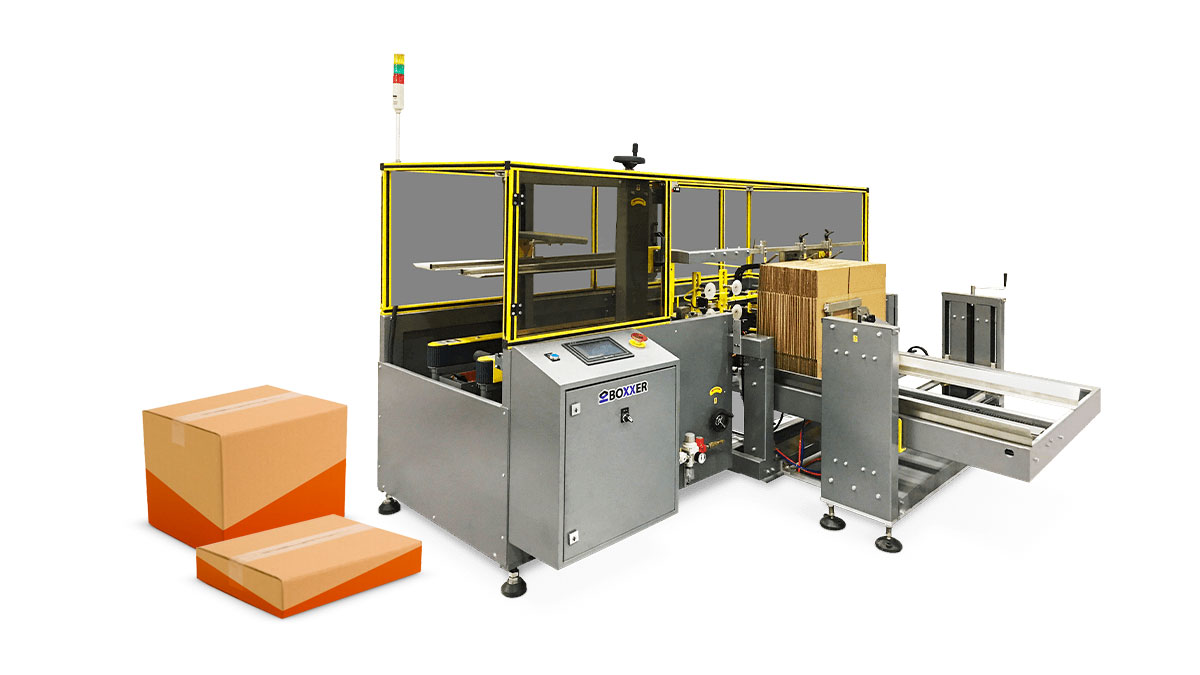
Packaging downtime can affect production schedules, labor utilization, and overall manufacturing efficiency. When carton preparation stops unexpectedly, downstream operations such as product filling, case packing, and sealing may also be interrupted. For facilities handling high packaging volumes, even short stoppages can create delays that affect the entire production line.
A modern Case Erecting Machine helps reduce these interruptions by automating carton feeding, opening, folding, and bottom sealing. With reliable forming mechanisms and suitable control systems, this equipment supports a consistent supply of ready-to-use cartons. When properly integrated and maintained, it can help manufacturers keep packaging operations running more smoothly.
Understanding the Causes of Packaging Downtime
Packaging downtime occurs when equipment or production activities stop temporarily or operate below their expected capacity. Some interruptions are planned, while others happen unexpectedly.
Common causes include:
- Manual carton preparation that cannot keep up with production demand.
- Incorrectly loaded or damaged carton blanks.
- Carton jams and feeding problems.
- Misaligned folding or sealing components.
- Equipment breakdowns and worn machine parts.
- Delays during carton-size changeovers.
- Poor coordination between connected packaging machines.
Identifying these causes is the first step toward improving equipment reliability and reducing unnecessary production interruptions.
1. Automates Repetitive Carton Preparation
Manual carton assembly can become a bottleneck when packaging volumes increase. Employees must repeatedly open flat blanks, fold bottom flaps, and prepare boxes for filling.
Modern case erecting systems automate these repetitive activities, helping maintain a steady supply of formed cartons. This reduces the risk of downstream machines waiting because employees cannot prepare boxes quickly enough.
Automation also makes carton preparation less dependent on individual working speed, supporting more predictable production flow.
2. Improves Carton Feeding Reliability
Feeding problems are a common source of interruptions in carton forming operations. If blanks overlap, fail to separate, or enter the forming area incorrectly, the machine may need to stop for correction.
Modern systems may use vacuum suction cups, controlled feeding mechanisms, and sensors to improve blank separation and positioning.
These components help the machine pick up individual carton blanks and transfer them into the forming area. Reliable feeding reduces the likelihood of repeated misfeeds and helps maintain continuous operation.
However, carton quality and correct magazine loading remain important. Damaged or poorly manufactured blanks can still cause feeding problems.
3. Uses Sensors to Detect Operating Problems
Modern case erecting equipment may include sensors that monitor carton positions, blank availability, machine movement, and other operating conditions.
When a problem is detected, the control system can alert the operator or stop the machine to prevent further disruption. For example, sensors may identify missing blanks, incorrect carton positioning, or a blockage in the forming area.
Early fault detection helps operators investigate problems before they affect additional packaging stages. The specific monitoring capabilities depend on the machine model and control configuration.
4. Maintains Consistent Carton Formation
Incorrectly formed cartons can cause problems during product loading, sealing, and transportation. Boxes with uneven dimensions or improperly folded flaps may become misaligned on conveyors or fail to enter downstream equipment correctly.
A case erecting machine uses controlled forming guides and folding mechanisms to produce cartons with repeatable shapes. This consistency helps reduce interruptions caused by poorly prepared boxes.
It also supports smoother integration with automatic case packers, robotic loading systems, and carton sealing equipment.
5. Reduces Manual Handling and Operator-Related Delays
Manual carton preparation involves repeated handling and positioning. During busy production periods, employees may struggle to maintain the required preparation rate, especially when packaging several product lines.
Automated carton forming reduces the amount of direct manual involvement required for opening boxes and folding their bottom flaps.
Operators can focus on monitoring equipment, replenishing carton blanks, inspecting packaging quality, and responding to machine alerts. This can improve labor utilization and reduce delays associated with manual assembly.
6. Supports Faster Carton-Size Changeovers
Manufacturers that package different products may need to switch between carton dimensions throughout the day. Lengthy changeovers can reduce productive operating time.
Some modern case erecting machines offer adjustment features designed to simplify changes between compatible carton sizes.
Depending on the machine, operators may be able to adjust guides, forming positions, and other settings more efficiently. Clear setup procedures and operator training also help reduce changeover mistakes.
Before purchasing equipment, businesses should confirm the supported carton range and understand the time and steps required for a typical changeover.
7. Improves Coordination with Downstream Packaging Equipment
Packaging lines often include several machines that must operate at compatible speeds. If carton forming cannot keep up with product filling or case packing, the entire process may experience interruptions.
Modern case erectors can be integrated with conveyors, case packers, robotic systems, and carton sealers. This allows cartons to move between stages with less manual handling.
Proper coordination helps prevent carton shortages, excessive accumulation, and unnecessary waiting time. Manufacturers should consider the capacity of the entire packaging line when selecting equipment.
8. Makes Preventive Maintenance Easier to Manage
Unexpected mechanical problems can lead to significant downtime. Regular inspection and preventive maintenance help identify wear or malfunction before it causes a major interruption.
Important components to monitor include:
- Vacuum suction cups and feeding mechanisms.
- Belts, rollers, and moving components.
- Folding guides and forming assemblies.
- Sensors and electrical connections.
- Pneumatic cylinders and air lines.
- Tape or hot-melt adhesive systems.
Following the manufacturer’s maintenance schedule helps keep these components in suitable operating condition. Maintenance records can also help identify recurring problems and determine when parts should be replaced.
9. Reduces Packaging Material-Related Interruptions
Carton blanks that do not meet machine specifications can cause repeated feeding and forming problems. Differences in dimensions, board thickness, cutting accuracy, or material condition may affect machine performance.
Manufacturers can reduce these issues by establishing clear carton quality requirements and checking incoming packaging materials.
Proper storage is equally important. Corrugated blanks should be protected from excessive moisture, physical damage, and other conditions that may affect their shape or feeding characteristics.
Using suitable materials helps improve forming reliability and reduces avoidable stoppages.
10. Provides Better Operational Monitoring
Modern control systems can make it easier for operators to monitor machine status and identify performance issues. Depending on the equipment, an HMI or control panel may display operating conditions, alarms, and selected production information.
This information can help maintenance teams understand why interruptions occur and where improvements are needed.
Manufacturers can also track important performance indicators, such as:
- Total downtime per shift.
- Number of unplanned machine stops.
- Carton feeding errors.
- Changeover duration.
- Rejected or incorrectly formed cartons.
- Average operating output.
Reviewing these measurements regularly helps businesses identify recurring causes of downtime and evaluate whether corrective actions are effective.
Best Practices for Keeping a Case Erecting Machine Running Efficiently
Even advanced equipment requires proper operating procedures. Manufacturers should establish practices that support reliable performance throughout the machine’s service life.
Train Operators Properly
Employees should understand carton loading, machine settings, fault indicators, safety procedures, and approved troubleshooting steps. Well-trained operators can identify common issues and respond appropriately.
Use Compatible Carton Blanks
Ensure that carton dimensions, board specifications, and blank quality match the machine’s requirements. Material inconsistencies can affect feeding and forming performance.
Follow Preventive Maintenance Schedules
Inspect important components at recommended intervals and replace worn parts when necessary. Regular servicing helps reduce the likelihood of unexpected breakdowns.
Keep the Machine and Surrounding Area Clean
Corrugated dust and debris can affect moving parts and sensors. Routine cleaning helps maintain a suitable operating environment.
Coordinate Equipment Speeds
Set machine speeds according to the actual requirements of the complete packaging line. Balanced operation helps prevent carton shortages and unnecessary accumulation.
Conclusion
Modern case erecting machine systems help reduce packaging downtime by automating carton preparation, improving feeding reliability, supporting consistent box formation, and making it easier to coordinate different packaging stages. Sensor-based monitoring, practical changeover features, and preventive maintenance also contribute to more dependable operation.
However, reliable performance depends on more than machine technology alone. Suitable carton materials, operator training, correct equipment settings, and integration with downstream machinery are equally important. By combining the right equipment with effective operating practices, manufacturers can minimize avoidable interruptions and maintain a smoother packaging workflow.