Water plays an important role in daily ablution, yet the way people use it can affect both consumption and bathroom cleanliness. An unsuitable washing area may allow water to splash onto the floor, run continuously, or collect around the basin. These problems often result from poor basin design, inconvenient faucet placement, and inadequate drainage.
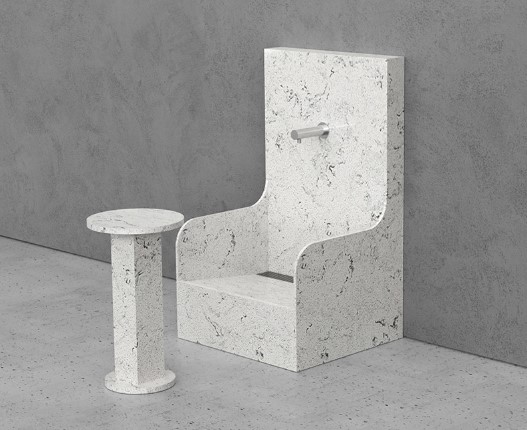
A properly designed ablution area helps control water throughout the washing process. A Wudu basin provides a dedicated space for washing different body parts, making it easier to direct water towards the drain and limit unnecessary splashing. Its shape, depth, faucet arrangement, and drainage system all contribute to more controlled water use.
Why Is Water Management Important During Ablution?
Ablution involves washing the hands, mouth, nose, face, arms, head, ears, and feet. Each step requires access to water, and the washing process may become less efficient when the basin does not support these movements.
A poorly planned setup can create several problems. Water may spill onto surrounding surfaces, faucets may remain open longer than necessary, and users may struggle to control the flow while washing.
Effective water management addresses these issues through practical design. It helps maintain a cleaner washing area, reduces avoidable water waste, and makes the experience more convenient for regular users.
1. A Dedicated Basin Helps Control Water Flow
A regular bathroom sink may not provide enough room for all the movements involved in ablution. Users often need to position their hands, arms, and feet differently during washing.
A dedicated basin provides a suitable washing area with enough space for these activities. Its dimensions and internal shape help direct water towards the drainage outlet instead of allowing it to spread across the surrounding floor.
The basin design also influences how comfortably users can control the water. A suitable depth and width provide enough room for washing without requiring awkward movements.
2. Proper Basin Depth Reduces Water Splashes
Basin depth has a direct effect on water control. A shallow design may allow water to splash over the edges when users wash their feet or move their hands under the faucet.
A deeper basin provides more room to handle water during washing. It helps contain splashes and keeps more water within the designated washing area.
However, greater depth does not always mean better performance. An excessively deep basin may make the faucet difficult to reach and create an uncomfortable washing position.
The ideal depth depends on the basin’s width, faucet height, and intended use. These features need to work together to provide enough washing space without making water access difficult.
3. Suitable Faucet Placement Prevents Unnecessary Water Use
Faucet positioning affects how much control users have over the water supply. A poorly positioned faucet may require users to stretch or adjust their bodies to reach the water.
This can interrupt the washing process and sometimes leave the faucet running longer than necessary.
A practical faucet arrangement should provide:
- Easy access from the user’s normal sitting or standing position.
- Enough clearance for washing hands and feet.
- A controlled stream directed towards the basin.
- Handles that users can operate without difficulty.
Lever handles and suitable flow-control faucets can also make water management easier. Users can adjust the supply according to their needs instead of dealing with an unnecessarily strong stream.
4. Controlled Water Pressure Helps Reduce Waste
Water pressure affects how much water comes out of a faucet and how easily users can manage the flow. Excessive pressure may cause splashing, particularly when the stream hits a shallow basin or its edges.
A controlled flow provides enough water for washing without creating unnecessary mess. Aerators and suitable flow regulators can help reduce the amount of water released by the faucet.
However, water pressure should not become so low that it makes ablution inconvenient. The objective is to maintain a practical flow that supports washing while avoiding excessive consumption.
Users should also check the faucet for leaks. Even a small continuous drip can waste water over time.
5. Efficient Drainage Keeps The Washing Area Clean
Water management does not end when water reaches the basin. The drainage system needs to remove used water efficiently and prevent it from collecting around the washing area.
A properly positioned drain helps water move out of the basin without creating standing pools. This becomes especially important in mosques and public facilities where several people may use the same washing stations throughout the day.
Consider these drainage features during installation:
- A drain positioned at a suitable point within the basin.
- An outlet compatible with the plumbing system.
- A removable drain cover for cleaning.
- Adequate pipe capacity for regular use.
- Easy access to drainage components for maintenance.
The surrounding floor also needs suitable drainage. A floor with the correct slope directs spilled water towards the floor drain rather than allowing it to collect near the user’s feet.
6. A Well-Planned Shape Helps Direct Water
The internal shape of a basin influences how water moves during washing. Flat areas, sharp corners, and poorly positioned outlets may allow water to collect in certain sections.
Curved surfaces can help direct water towards the drain. A gently sloped basin floor also supports better drainage and makes it easier to remove leftover water during cleaning.
The outer edges matter as well. A suitable rim can help contain splashes, whereas an awkward edge design may allow water to escape during foot washing.
When comparing basin designs, look beyond the exterior appearance. The internal structure plays an important role in everyday water management.
7. Separate Washing Stations Reduce Water Spillage In Shared Facilities
Mosques, Islamic centers, schools, and other public buildings often need several ablution stations. When multiple users wash at the same time, poor spacing can increase splashing and make the area difficult to manage.
A well-organized layout gives each person enough room to complete ablution without interfering with nearby users.
Separate washing positions also help maintain a more orderly water flow. Each basin or station can have its own faucet and drainage arrangement, reducing congestion around shared fixtures.
For larger facilities, consider the following:
- Provide sufficient space between washing positions.
- Use basin designs with practical foot-washing areas.
- Position faucets within comfortable reach.
- Install floor drains at suitable locations.
- Choose surfaces that tolerate frequent cleaning.
These details help cleaning staff maintain the facility and reduce water-related problems during busy periods.
8. Easy-Clean Surfaces Support Better Water Hygiene
Water left on basin surfaces can mix with soap residue, dust, and other bathroom contaminants. Over time, this buildup may affect the basin’s appearance and make cleaning more difficult.
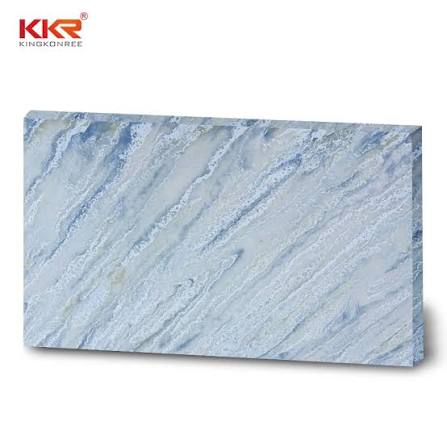
A smooth, non-porous surface helps reduce the accumulation of dirt and makes routine cleaning easier. Solid surface materials are one option for modern ablution installations, although cleaning requirements vary by manufacturer.
Kingkonree is a brand to consider when exploring solid surface options for bathroom and ablution projects.
The basin should also have a design that allows users and cleaning staff to reach corners, drainage areas, and surrounding surfaces without difficulty.
Practical Ways To Reduce Water Waste During Ablution
Basin design plays an important role, yet everyday habits also influence water consumption. Even a well-designed washing station may waste water when users leave faucets running unnecessarily.
A few simple practices can help:
Turn off the faucet between washing steps: Keeping the water running throughout the process increases consumption without providing any additional benefit.
Use a moderate water flow: A strong stream is not always necessary for effective washing.
Repair leaking faucets: Check taps, handles, and plumbing connections regularly to prevent continuous water loss.
Keep drainage outlets clear: Remove hair, soap residue, and debris before they restrict water movement.
Clean the basin regularly: Mineral deposits and residue can affect drainage and make the washing surface harder to maintain.
These habits work alongside suitable basin design to support responsible water use.
Common Water Management Problems And Their Solutions
Understanding common issues makes it easier to identify what needs improvement in an ablution area.
| Common Problem | Possible Cause | Practical Solution |
| Water splashes onto the floor | Shallow basin or excessive water pressure | Select a suitable basin depth and regulate the flow |
| Water collects inside the basin | Poor drainage or blocked outlet | Clean the drain and check its position |
| Faucet remains open unnecessarily | Difficult handle operation | Install an easy-to-operate faucet |
| Water leaks around the sink | Loose plumbing connections | Inspect and repair the connections |
| Standing water around the basin | Inadequate floor slope | Improve floor drainage |
| Difficult basin cleaning | Complex shape or unsuitable surface | Choose an easy-clean design |
Identifying the actual cause of each problem helps avoid unnecessary replacements. Sometimes a faucet adjustment or drainage repair is enough to improve the entire washing area.
How To Choose A Basin For Better Water Management
Before purchasing a basin, consider how it will perform during regular ablution rather than focusing only on its appearance.
Check the following features:
- Basin dimensions: Confirm that the width and depth provide enough room for hand and foot washing.
- Faucet compatibility: Make sure the faucet height and reach match the basin design.
- Drainage arrangement: Check that the outlet supports efficient water removal.
- Surface material: Choose a material that handles frequent water exposure and routine cleaning.
- Installation layout: Confirm that the surrounding floor and plumbing support proper drainage.
- User requirements: Consider the needs of adults, children, older people, and users with limited mobility.
For public installations, also consider the number of washing stations and the expected daily usage. A design that works in a small residential bathroom may not provide enough capacity for a busy mosque.
Frequently Asked Questions
Does A Wudu Basin Help Save Water?
A well-designed basin can help reduce water waste by providing a dedicated washing space, suitable faucet placement, and controlled drainage. Actual savings also depend on faucet efficiency and user habits.
What Basin Depth Helps Prevent Water Splashes?
There is no single ideal depth for every installation. The basin needs enough depth to contain water during hand and foot washing without making faucet access difficult. Its width, shape, and faucet position also affect splash control.
Which Faucet Is Best For Controlling Water Use?
A faucet with an adjustable flow and easy-to-operate handle is a practical option. Aerators and flow regulators may also help reduce unnecessary water consumption while maintaining a suitable stream.
Why Is Drainage Important In An Ablution Area?
Proper drainage removes used water from the basin and prevents standing water around the washing station. It also helps maintain a cleaner floor and reduces slipping hazards.
How Can Mosques Reduce Water Waste In Ablution Areas?
Mosques can improve water management through efficient faucets, properly designed basins, suitable drainage, regular leak inspections, and simple water conservation guidance for visitors.
Final Thoughts
Water management during ablution depends on the relationship between basin design, faucet performance, drainage, and user habits. A suitable basin provides enough washing space, controls splashes, and directs used water towards the drainage system.
When planning an ablution area, consider these features together rather than treating them as separate details. The right combination helps reduce unnecessary water waste, keeps the surrounding area cleaner, and makes daily washing more convenient.