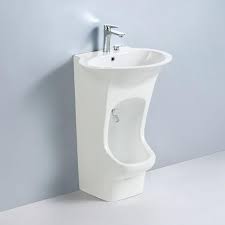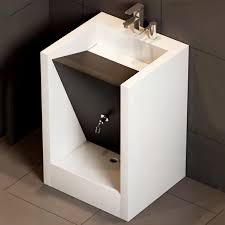
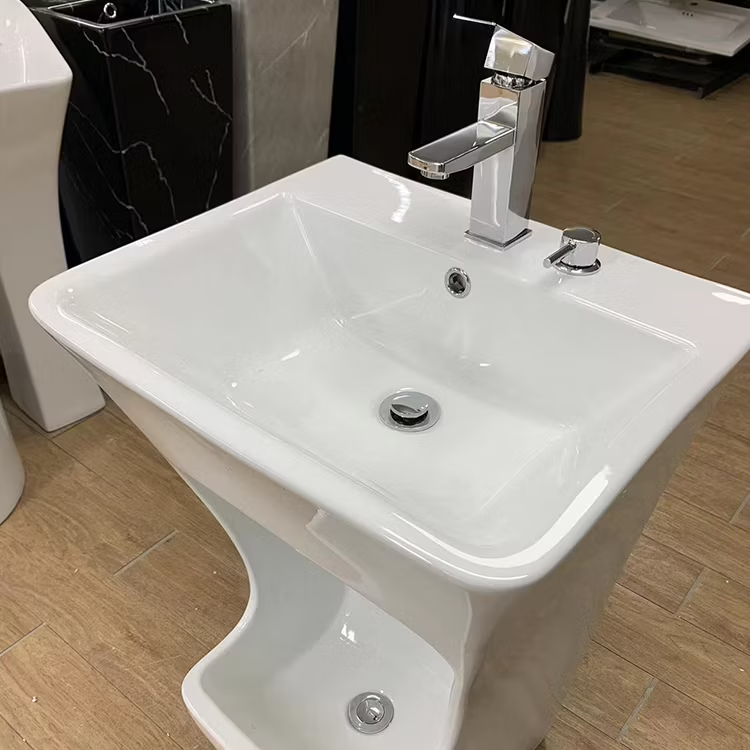
Constructing a new mosque provides an opportunity to develop religious facilities that respond to the needs of a growing community. Every part of the building requires careful consideration, from the orientation of the prayer hall to the placement of entrances, classrooms, and supporting services. Among these essential facilities, the ablution area deserves attention during the earliest design stages. Planning it properly can prevent space limitations, plumbing complications, and operational difficulties after construction.
Selecting the right Wudu wash basin should therefore be part of the mosque’s architectural and engineering planning process. The decision involves more than selecting an attractive product. Architects and project committees must consider congregation size, basin capacity, construction materials, water supply, drainage, accessibility, and future maintenance. Coordinating these requirements early makes it easier to develop an efficient and durable facility.
Establishing Project Requirements Before Construction
The first stage involves understanding the mosque’s intended capacity and operational requirements.
A neighborhood mosque serving a relatively small congregation may need a straightforward ablution room. A central mosque designed for larger gatherings may require multiple washing zones and more extensive plumbing infrastructure.
Project planners should establish:
- The expected number of regular worshippers.
- Anticipated attendance during Friday prayers.
- The number of washing positions required.
- The available space near the prayer hall.
- Separate or shared facility requirements.
- Accessibility provisions for different users.
The project brief should also identify whether the mosque will include educational rooms, community spaces, or additional prayer areas that may influence ablution demand.
Selecting an Appropriate Basin Configuration
The available architectural space will influence the most suitable washing system.
Individual Basin Installations
Individual units can be appropriate for smaller mosques or buildings with limited wall space. They offer flexibility in positioning and may simplify the replacement of individual fixtures.
However, designers should account for the plumbing connections and additional clearance that separate units may require.
Integrated Ablution Systems
Integrated systems are useful for larger mosques because several users can share a coordinated installation.
They can provide a consistent architectural appearance while making efficient use of available wall space. The design should include suitable separation between users, comfortable seating, and convenient faucet positions.
Custom-Made Configurations
Some mosque projects have architectural conditions that make standard fixtures unsuitable.
Custom installations may help accommodate unusual room dimensions, specific material preferences, or specialized seating arrangements. Nevertheless, customized products require careful technical drawings and coordination before manufacturing begins.
Considering Materials and Construction Quality
Ablution basins are exposed to frequent water contact and regular cleaning. The selected material should therefore be appropriate for the intended environment.
Ceramic offers a familiar finish and straightforward cleaning characteristics. Solid-surface materials provide flexibility for contemporary shapes and integrated configurations. Stainless steel may be suitable for facilities where durability and practical maintenance are priorities.
Natural stone can complement traditional architectural concepts, although weight, surface treatment, and cleaning requirements should be reviewed.
The project team should request product specifications and samples before approving materials. Installation details, warranties, and replacement-part availability should also be confirmed.
Coordinating Building Services
A common construction challenge occurs when plumbing arrangements are finalized separately from fixture selection.
Water supply pipes, drainage outlets, and mounting positions should be coordinated with the architectural drawings. The engineering team must verify that the supply system can support the expected number of simultaneously operating faucets.
Floor gradients and drainage capacity should be established before the final floor finishes are installed.
Waterproofing deserves particular attention because moisture can damage structural components and adjacent rooms if the system is poorly detailed.
Integrating Accessibility into the Original Design
New construction offers an opportunity to incorporate inclusive washing facilities without the expense of later alterations.
Consider accessible circulation routes, seated washing positions, suitable faucet heights, and sufficient maneuvering space.
The layout should accommodate elderly worshippers and individuals with mobility limitations. Local accessibility requirements should be reviewed during the design development stage.
Planning for Maintenance and Future Expansion
A mosque is a long-term community facility, so its ablution infrastructure should remain manageable over many years.
Provide access to plumbing connections and drainage components. Choose finishes compatible with routine cleaning and establish an inspection schedule for faucets, waste outlets, and waterproofing.
If future expansion is possible, the original design may also allow additional washing positions or connections to be incorporated without major structural changes.
Making the Right Decision for a New Mosque
Choosing an ablution basin should be treated as an important architectural decision rather than a last-minute purchasing task.
When capacity, materials, technical services, accessibility, and maintenance are evaluated together, the result is a facility that supports worshippers effectively. Early planning allows the mosque to achieve a balanced design that combines religious purpose, practical performance, and long-term building quality.