Productivity on a construction site depends on how effectively equipment, workers, materials, and schedules are coordinated. Excavation is often an early or supporting activity that influences the progress of subsequent tasks. Delays caused by unsuitable machinery, restricted access, inefficient repositioning, or poorly organised work can affect the wider project. Contractors therefore need to evaluate equipment according to how it contributes to the complete site workflow.
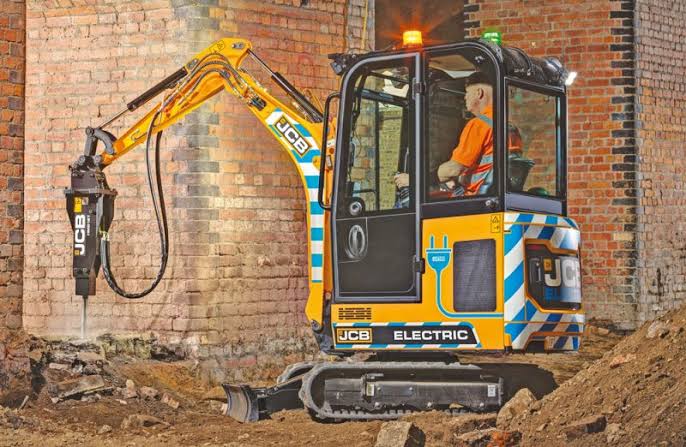
An electric mini excavator for sale may support productivity in selected applications where compact dimensions, appropriate digging capability, and battery-powered operation suit the project conditions. However, productivity depends on more than the machine itself. Contractors should consider equipment capacity, access, operator familiarity, charging schedules, material handling, maintenance, and coordination with other activities before deciding whether an electric mini excavator can improve their operations.
Reducing Access-Related Difficulties
Compact equipment may help contractors work in areas where larger machines are difficult to position. Restricted access can occur in residential developments, small construction sites, landscaped properties, courtyards, and locations surrounded by existing structures.
When equipment can reach the intended working area without unnecessary obstacles, contractors may be able to organise excavation more efficiently. However, the machine’s dimensions must be compared with actual access measurements.
Access planning should include the complete route, turning areas, overhead clearance, working space, and transport arrangements. A compact machine is useful only when it can reach the location and operate safely.
Matching Machine Capability to the Work
Productivity can be affected when equipment is either insufficient or unnecessarily large for the task.
A mini excavator should have suitable digging depth, reach, bucket capacity, digging performance, and operating weight for the planned activities. If the machine cannot complete the required excavation efficiently, workers may need to reposition it repeatedly or use additional equipment.
Contractors should identify their recurring tasks and select machinery that provides appropriate capability. This helps avoid equipment limitations that could slow work or increase labour requirements.
Organising Excavation Cycles
Excavation productivity depends partly on the way work is organised. The machine may need to dig, reposition, move material, and coordinate with other workers.
Contractors can improve planning by establishing excavation layouts, identifying material placement areas, and preparing the site before equipment begins operating.
A clear work sequence can reduce unnecessary movements and help operators understand the next task. This may also improve coordination between excavation, installation, backfilling, and other activities.
Considering Operator Familiarity
Operator experience influences equipment use. A person who understands the machine’s controls, capabilities, and limitations may be better positioned to perform work consistently and identify potential issues.
Contractors should provide suitable training and familiarisation, particularly when employees are using a new machine model or different control arrangements.
Operator feedback can also help management assess whether the equipment is suitable for the company’s applications. Practical observations about visibility, controls, manoeuvrability, and working range can be useful when evaluating productivity.
Managing Battery Availability
Electric equipment requires charging arrangements that support the planned work schedule. Contractors should understand operating duration, charging time, electrical requirements, and expected energy consumption under their working conditions.
If charging is not planned properly, the machine may become unavailable during scheduled excavation activities. This can affect the work sequence and create delays for other personnel.
Charging should be integrated into the equipment schedule. Contractors should identify suitable charging locations and establish procedures for monitoring equipment readiness.
Coordinating with Other Site Activities
Excavation may need to be completed before installations, inspections, backfilling, or surface restoration can proceed.
Project managers should coordinate machine availability with the overall schedule and ensure that the excavation area is prepared. Other equipment, materials, and workers should be organised to avoid unnecessary waiting.
The excavator’s role should be clearly defined so that its use supports the wider workflow rather than creating bottlenecks.
Reducing Unnecessary Downtime
Maintenance, inspections, and timely repairs contribute to equipment availability. Contractors should establish routines for pre-use inspections, maintenance scheduling, reporting concerns, and arranging service support.
Understanding parts availability and supplier support can also help management plan for equipment interruptions.
Equipment records may provide useful information about operating hours, recurring issues, and maintenance requirements. These records can help identify opportunities to improve equipment management.
Evaluating Productivity Beyond Speed
Productivity should not be measured solely by how quickly the machine completes a single excavation. Contractors should consider the complete work cycle, including transport, setup, access, charging, material handling, maintenance, and coordination.
A machine that fits the site and schedule may provide greater practical value than one with higher performance figures but additional logistical requirements.
Conclusion
Compact electric excavators may support site productivity by providing suitable access, performing smaller-scale excavation tasks, and fitting selected operating environments. Their effectiveness depends on machine capability, operator familiarity, charging arrangements, work sequencing, maintenance, and coordination. Contractors who evaluate productivity across the complete workflow can make better equipment decisions and organise their projects more efficiently.