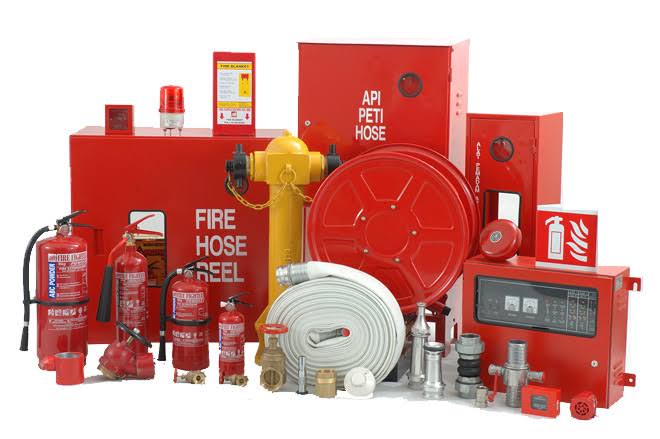
A building fire can develop quickly, and occupants may have only a short period in which to recognize danger, raise the alarm, and follow the evacuation plan. Fire protection measures therefore need to be organized so that equipment is visible, accessible, and maintained. In some buildings, a fixed hose reel forms part of the installed fire protection provisions. It provides a stored length of hose connected to a water supply, allowing the hose to be drawn toward a fire within the limits of the system’s design and applicable rules.
A properly specified Fire Hose Reel combines a hose, reel assembly, water connection, and discharge nozzle or other approved outlet arrangement. Its purpose is to make a water hose available at a designated location without requiring the hose to be stored loose. The suitability of a reel depends on the building’s fire strategy, local regulations, water supply, intended users, and the types of fire risks present. It is not a substitute for evacuation procedures or for equipment designed for fires involving materials that should not be extinguished with water.
How a hose reel works
A typical installation stores the hose wound around a drum or reel. The assembly is connected to a water supply through the specified pipework and valve arrangement. When required, the hose is drawn from the reel and the nozzle is operated according to the manufacturer’s instructions. Some designs allow water flow to begin through a control valve, while others use a different operating sequence.
The arrangement is intended to keep the hose organized and accessible. Its actual operating method varies by product, so users should be trained on the installed model rather than relying on assumptions based on another type of reel.
Benefits of fixed storage
One practical advantage of a reel is that the hose has a designated storage location. This can reduce tangling and make it easier to identify whether equipment is present. A properly installed cabinet or wall-mounted assembly can also protect the hose from routine contact with nearby objects.
The reel can provide a defined hose length for the area it is intended to serve. This may help users reach certain locations without having to assemble separate hose sections. However, the location and coverage must be established through the building’s approved fire protection design. A reel should not be assumed to protect every room or floor simply because it is mounted nearby.
Placement and accessibility
Positioning has a direct effect on practical usefulness. Reels should be located according to the approved building plan and applicable requirements, with clear access and suitable signage. Doors, stored materials, furniture, and security arrangements should not obstruct the equipment.
The hose must be able to unwind without catching on building features or other stored items. Its route should not create an avoidable obstruction to escape paths. Installation should be completed by competent personnel who can confirm the supporting structure, pipe connection, valve arrangement, and operating clearances.
Hose and nozzle specifications
The hose material, internal diameter, length, and pressure rating must suit the reel assembly and water supply. A hose that is too short may not provide the intended coverage, while an unsuitable diameter can affect flow and pressure performance. The reel, hose, fittings, and nozzle should be treated as a coordinated assembly.
The nozzle may offer a defined discharge pattern or control function, depending on the design. Users should understand how to operate it and recognize any limitations. Water is not appropriate for every fire scenario; electrical hazards and fires involving certain flammable liquids or reactive materials require different precautions and suitable equipment.
Routine inspection and testing
A reel needs more than a check that it remains attached to the wall. Inspection should cover the hose surface, reel movement, mounting points, water valve, connections, nozzle, and cabinet where fitted. Look for corrosion, leakage, damaged hose material, obstructions, and signs that the reel cannot unwind freely.
Operational testing and maintenance should follow the manufacturer’s instructions and applicable local standards. Any defect affecting operation should be reported and corrected by a qualified service provider. Records should identify the equipment location, inspection date, test results, and any repairs.
Training and responsible use
Occupants should know where reels are located and understand the building’s alarm and evacuation procedures. Only people who are trained, authorized, and able to act without placing themselves at risk should consider using firefighting equipment. Evacuation must take priority whenever conditions are unsafe.
A useful part of a wider safety plan
A hose reel can support building fire protection when its design, placement, water supply, and maintenance are appropriate. Its value depends on accessibility and user understanding as much as on the hardware itself. Integrating the reel into a broader strategy of detection, alarm, evacuation, training, and professional inspection helps make the building’s fire safety provisions more coherent and dependable.