Introduction
Modern interior design increasingly focuses on simplicity, visual continuity, and practical functionality. Whether designing a residential kitchen, a luxury bathroom, a hotel reception area, or a commercial workspace, architects and homeowners often prefer materials that create a unified appearance without sacrificing everyday usability. Smooth transitions, coordinated colors, and carefully selected finishes are important elements of this approach.
Solid surface materials offer useful possibilities for achieving these design goals. Their fabrication flexibility allows designers to create customized shapes, integrated components, and coordinated surface features. Using KingKonree Solid Surface in suitable interior applications can help combine these characteristics with contemporary design preferences. Understanding its design possibilities provides useful guidance for planning attractive and functional spaces.
1. Creating Visually Continuous Surfaces
Seamless design is a major feature of many contemporary interiors. Instead of using numerous separate elements with noticeable connections, designers often aim for continuous surfaces that make rooms appear organized and spacious.
Solid surface materials can support this approach through specialized joining and fabrication techniques.
Less Visible Joints
When solid surface components are professionally fabricated and joined, the connections can often be made nearly invisible. This helps create a continuous appearance across countertops, vanity tops, and selected architectural features.
For example, a long kitchen countertop can be designed with fewer visually noticeable joints, while a bathroom vanity can transition smoothly into an integrated washbasin.
Consistent Surface Appearance
Manufactured solid surface products often provide more consistent colors and patterns than natural materials with strong variations.
This consistency is useful when several connected surfaces need to maintain a similar appearance throughout an interior.
Cleaner Design Lines
Continuous surfaces can complement minimalist interiors that emphasize simple geometry and uncluttered layouts. They allow cabinetry, fixtures, lighting, and decorative features to remain the main visual elements.
2. Supporting Minimalist Interior Design
Minimalist interiors depend on carefully selected materials, restrained color palettes, and functional layouts. Every visible element contributes to the overall atmosphere, making surface selection particularly important.
Solid surface materials can complement this design philosophy through their smooth finishes and adaptable appearance.
Simple Color Palettes
White, cream, beige, and gray surfaces are frequently used in minimalist kitchens and bathrooms. These shades can coordinate with natural wood, glass, metal fixtures, and neutral wall finishes.
A consistent color scheme helps create a calm and balanced environment.
Uncluttered Countertop Designs
Smooth countertops with integrated sinks or coordinated backsplashes can reduce the visual separation between different functional areas.
This is especially useful in compact kitchens and bathrooms, where excessive visual detail can make the space feel crowded.
Functional Decorative Features
Minimalist design does not mean eliminating all decorative elements. Instead, designers often use material texture, shape, and subtle contrast to create interest without adding unnecessary decoration.
Customized solid surface features can contribute to this balance.
3. Offering Flexibility in Shapes and Dimensions
Standard countertop dimensions do not always match the requirements of modern architectural projects. Unusual room layouts, curved walls, and customized furniture may require specially fabricated surface components.
Solid surface materials can often be cut and shaped to accommodate different design requirements, depending on their composition and fabrication limitations.
Curved Countertops
Curved countertops can soften the appearance of an interior and create a distinctive focal point. They may be used in kitchen islands, hotel reception desks, and selected commercial installations.
Customized Vanity Tops
Bathrooms often have different layouts and available dimensions. Customized vanity tops can be designed to fit narrow spaces, corner arrangements, or wider storage units.
Unique Architectural Details
Designers may also explore rounded edges, customized corners, and other surface details that complement the surrounding architecture.
Before approving these designs, it is important to confirm the material’s technical suitability and the fabricator’s capabilities.
4. Enhancing Modern Kitchen Interiors
The kitchen is both a functional workspace and an important social area in many homes. Its surfaces must support everyday activities while contributing to the overall interior design.
Solid surface materials can be considered for several kitchen applications.
Integrated Kitchen Worktops
Kitchen countertops provide space for food preparation, small appliances, and daily household activities. Solid surface products can be fabricated according to specific layouts and dimensions.
Their smooth appearance can also help create a coordinated look with cabinetry and surrounding finishes.
Contemporary Kitchen Islands
Kitchen islands often serve as preparation areas, dining spaces, and gathering points. A customized solid surface top can complement different island shapes and edge profiles.
Designers should account for appliance placement, structural support, and expected usage when planning the installation.
Coordinated Backsplashes
A backsplash made from a matching or complementary material can visually connect the countertop with the wall area.
This approach helps create a consistent kitchen design while providing a practical surface behind sinks and work areas.
5. Creating Stylish and Functional Bathroom Spaces
Bathrooms are increasingly designed with the same attention to detail as other living spaces. Material choices influence their visual character, maintenance requirements, and everyday convenience.
Solid surface materials provide several options for contemporary bathroom applications.
Integrated Washbasins
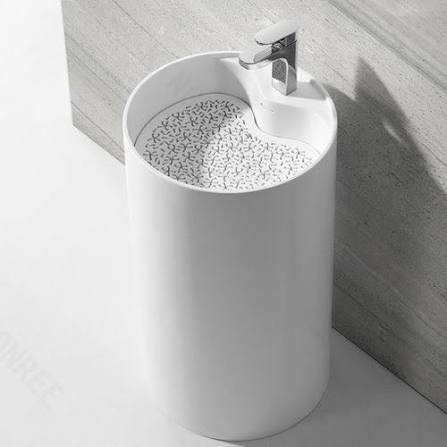
Integrated washbasins can create a smooth transition between the basin and surrounding vanity top. This reduces the number of visible connections and supports a streamlined appearance.
Different basin shapes and configurations may be possible depending on the product and fabrication method.
Floating Vanity Designs
Floating vanities are commonly used in contemporary bathrooms because they create an open visual effect beneath the countertop.
Solid surface tops can complement these designs through customized dimensions and clean edge details. Appropriate wall support and installation planning are essential.
Coordinated Bathroom Features
Matching or complementary surface finishes can be used across vanity tops, shelves, and selected decorative elements.
This helps establish a consistent design theme without requiring every bathroom component to use the same material.
6. Combining Solid Surface with Other Interior Materials
A stylish interior usually includes a combination of materials rather than a single surface type. Solid surface products can work alongside other finishes to create contrast, warmth, and visual depth.
Wood and Solid Surface
Wood cabinetry introduces natural grain patterns and warmth, while solid surface countertops provide a smooth and consistent appearance.
This combination works well in contemporary kitchens and bathrooms that balance natural and manufactured materials.
Glass and Solid Surface
Glass partitions, cabinet panels, and decorative features can complement solid surface vanity tops and countertops.
In bathrooms, these materials can help create a lighter appearance and visually open layout.
Metal Fixtures and Surface Finishes
Chrome, stainless steel, brushed nickel, and matte black fixtures can create attractive contrast against different solid surface colors.
The combination should be selected according to the overall design concept and the maintenance needs of each finish.
Stone and Tile Elements
Natural stone and ceramic tiles can introduce additional texture and pattern. When paired with solid surface countertops, they allow designers to create visually balanced interiors with clearly defined functional areas.
7. Supporting Coordinated Designs in Commercial Spaces
Seamless and stylish interiors are important in commercial buildings because their appearance influences customer experience and brand identity.
Solid surface materials can be considered for selected commercial installations where customized fabrication and coordinated finishes are required.
Hotel Reception Areas
Reception desks often serve as the main visual feature of hotel entrances. Curved counters, smooth surfaces, and distinctive colors can help create a welcoming first impression.
Office Reception Counters
Office interiors frequently use simple and professional design elements. Customized solid surface counters can complement corporate color schemes and contemporary furniture.
Retail and Hospitality Interiors
Retail stores, restaurants, and hospitality facilities may use coordinated surfaces for service counters, display areas, and selected washroom installations.
The chosen material should be appropriate for the expected level of use and the facility’s cleaning procedures.
8. Choosing Colors and Finishes for a Unified Appearance
Color and finish selection can determine whether different interior elements work together or compete visually.
Solid surface products may be available in a range of plain colors, decorative patterns, and surface finishes.
Light Colors for Open Interiors
White and other light shades can help create a bright appearance, particularly when combined with suitable lighting and reflective materials.
They are commonly considered for compact kitchens and bathrooms.
Dark Colors for Visual Contrast
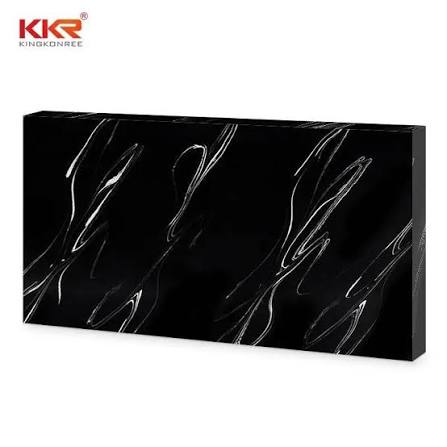
Dark gray, charcoal, and black can add depth and definition to larger spaces. These colors may work well with lighter cabinetry, metallic fixtures, and neutral flooring.
Patterned Surfaces for Added Character
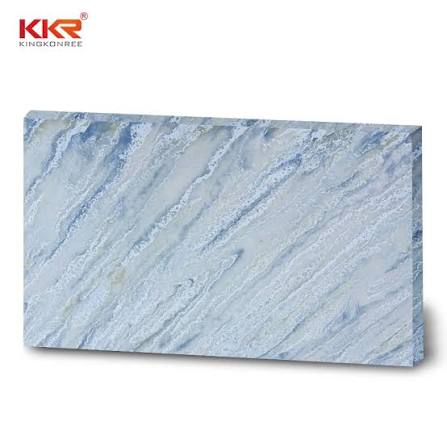
Stone-inspired patterns can introduce decorative detail without relying entirely on natural stone.
Before selecting a finish, designers should examine physical samples under the lighting conditions of the intended space.
9. Balancing Style with Practical Maintenance
An attractive interior should remain easy to maintain after installation. Surface materials must therefore be evaluated according to both appearance and everyday performance.
Many solid surface products have non-porous construction, which can help limit liquid absorption and make routine cleaning more straightforward.
Everyday Cleaning
Mild detergent and a soft cloth are generally suitable for routine cleaning, subject to the manufacturer’s recommendations.
Spills should be removed promptly to prevent residue from accumulating.
Protecting the Surface
Solid surface materials are not completely resistant to scratches or heat. Cutting boards and heat-resistant mats should be used where appropriate.
Abrasive cleaning tools and unapproved chemicals should also be avoided.
Repair and Refinishing
Minor scratches on some solid surface products can often be addressed through suitable refinishing methods. More serious damage may require professional repair.
Understanding the product’s maintenance requirements helps designers provide practical guidance to property owners and facility managers.
10. Installation Quality and Design Accuracy
Even a carefully planned design can lose its intended appearance if fabrication and installation are not completed correctly.
Accurate measurements, suitable support structures, and properly finished joints are important for achieving a high-quality result.
Before installation, project teams should confirm countertop dimensions, basin openings, fixture positions, and connections with adjoining materials.
Professional fabricators should also review the design to identify any limitations related to bending, cutting, joining, or finishing.
Coordinating these details early can help reduce fitting problems, material waste, and unnecessary modifications during construction.
11. Factors to Consider When Selecting Solid Surface Materials
Choosing the right material requires a balance between design preferences and practical project requirements.
Important considerations include:
- Application: Determine whether the material will be used for countertops, vanity tops, integrated basins, or decorative panels.
- Color and finish: Select a design that complements cabinetry, flooring, fixtures, and lighting.
- Dimensions: Confirm available sheet sizes, thicknesses, and fabrication requirements.
- Customization: Check whether the supplier can support the required shapes, edges, and integrated components.
- Performance: Review scratch resistance, heat tolerance, stain performance, and chemical compatibility.
- Maintenance: Understand recommended cleaning procedures and repair options.
- Installation: Ensure that measurements, supports, joints, and connections are properly planned.
- Budget: Consider material costs alongside fabrication, transportation, installation, and maintenance expenses.
These factors help ensure that the finished interior looks attractive while meeting its intended functional requirements.
12. The Future of Seamless Surface Design
Interior design continues to evolve as architects and homeowners explore customized furniture, integrated features, and materials that support cleaner visual layouts.
Solid surface technology may contribute to future developments through improvements in color collections, fabrication processes, surface finishes, and customized component production.
Designers may increasingly explore coordinated countertops, integrated basins, curved architectural details, and larger continuous-looking surfaces.
However, successful applications will continue to depend on material quality, appropriate technical specifications, skilled fabrication, and thoughtful installation planning.
Conclusion
Solid surface materials offer several possibilities for creating seamless and stylish interior designs. Their fabrication flexibility, coordinated colors, smooth finishes, and potential for integrated components make them suitable for many contemporary residential and commercial applications.
From kitchen countertops and bathroom vanity tops to hotel reception desks and customized decorative features, these materials can help establish a consistent design language across different spaces.
Achieving the best results requires more than choosing an attractive finish. Buyers and designers should also consider technical performance, fabrication capabilities, installation quality, and long-term maintenance. With careful planning, solid surface materials can contribute to interiors that combine visual continuity with practical everyday functionality.