Modern interior design requires materials that balance visual appeal with everyday functionality. From residential kitchens and bathrooms to hotels, offices, and commercial buildings, designers need surfaces that complement different architectural styles while meeting practical requirements. Material selection therefore involves more than choosing an attractive color or finish. Durability, maintenance, fabrication possibilities, and suitability for the intended environment are equally important.
Solid surface materials have become a popular option in contemporary interior projects because they offer considerable design flexibility and can be adapted to various applications. By exploring the characteristics of KKR Solid Surface, buyers, architects, and designers can better understand how solid surface solutions may support both creative design concepts and practical project requirements.
1. Understanding the Versatility of Solid Surface Materials
Solid surface materials are generally manufactured using mineral fillers, resin-based binders, pigments, and other formulation components. Their composition and production methods can vary, resulting in different colors, textures, finishes, and performance characteristics.
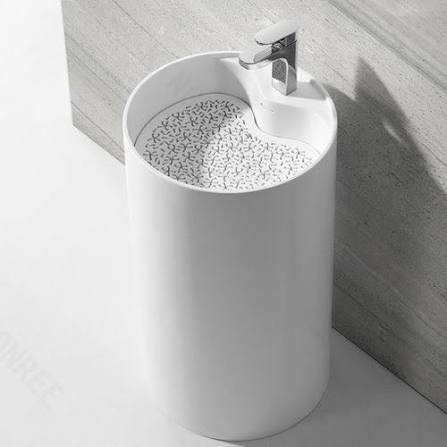
One of their main advantages is the ability to support a wide range of interior applications. Depending on the product specifications and fabrication process, solid surface materials can be used for countertops, vanity tops, washbasins, reception desks, wall panels, and decorative features.
This versatility allows designers to maintain a coordinated appearance across different areas of a building.
2. Supporting Creative Interior Design
Design flexibility is an important consideration when selecting materials for contemporary interiors. Architects and interior designers often need surfaces that can accommodate specific dimensions, unusual layouts, and distinctive visual concepts.
Solid surface materials provide several possibilities for achieving these goals.
A Wide Range of Colors
Color selection can influence the atmosphere and visual identity of an interior space.
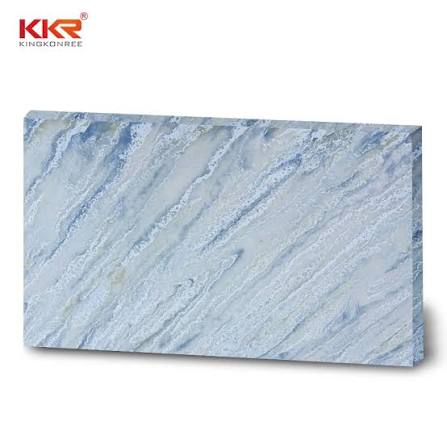
Neutral shades such as white, beige, and gray are frequently used in minimalist and contemporary designs. More distinctive colors can help create focal points in reception areas, bathrooms, and commercial interiors.
The availability of different color options allows designers to coordinate surfaces with flooring, cabinetry, lighting, and decorative accessories.
Different Surface Finishes
Surface finish also contributes to the overall appearance of an installation.
Depending on the product range, designers may be able to choose between matte, satin, or polished appearances. Each finish creates a different visual effect and may have different cleaning requirements.
Selecting the appropriate finish helps establish the intended design character while considering everyday maintenance.
Coordinated Interior Elements
Using compatible solid surface materials across countertops, vanity tops, and decorative panels can create visual consistency.
This approach is particularly useful in hotels, offices, and commercial spaces where a unified interior identity is important.
3. Customization for Different Architectural Requirements
Interior projects rarely follow identical dimensions or layouts. Customization is therefore an important consideration when choosing surface materials.
Solid surface materials can often be cut, shaped, and fabricated according to project requirements, depending on their formulation and technical specifications.
Custom Countertop Dimensions
Residential and commercial countertops may need to fit specific wall lengths, cabinet arrangements, and available floor space.
Custom fabrication helps accommodate these measurements and can reduce unnecessary material gaps.
Curved and Decorative Designs
Certain solid surface products can be fabricated into curved forms and customized shapes.
These possibilities can support distinctive reception counters, vanity designs, and decorative architectural features.
Project-Specific Details
Designers may also require particular edge profiles, openings, basin configurations, or surface dimensions.
Discussing these details with the supplier and fabricator early in the planning process helps determine what is technically achievable.
4. Creating Seamless-Looking Interior Surfaces
A visually continuous surface can make an interior feel more organized and refined.
Solid surface fabrication may allow joints to be minimized or made less noticeable when appropriate materials, adhesives, and fabrication methods are used.
Integrated Countertop Designs
Countertops with coordinated edges and carefully finished joints can create a consistent appearance.
This is useful in kitchens, bathrooms, and reception areas where large surface sections are visible.
Basin and Vanity Integration
Some solid surface systems support the fabrication of coordinated or integrated basin designs.
These arrangements can reduce visual interruptions between the basin and surrounding countertop, depending on the product and installation method.
Easier Visual Coordination
Consistent surface colors and finishes help connect different parts of an interior.
However, achieving a seamless appearance requires accurate measurements, suitable fabrication techniques, and skilled installation.
5. Practical Performance in Everyday Environments
While appearance is important, interior surfaces must also withstand regular use.
Countertops, vanity tops, and reception desks may encounter moisture, spills, cleaning agents, friction, and physical contact throughout the day.
Solid surface materials are designed for various interior applications, but their actual performance depends on formulation, thickness, installation, and maintenance.
Resistance to Everyday Stains
Kitchen and bathroom surfaces can come into contact with food, cosmetics, soap, and other substances.
Many solid surface products have relatively low-porosity characteristics, which can support routine cleaning. However, stain resistance varies, so spills should be removed promptly and manufacturer-approved cleaning methods should be followed.
Moisture Considerations
Bathrooms and other wet areas require materials that are suitable for regular moisture exposure.
Solid surface products are commonly used for vanity tops and washbasins, but proper installation and attention to joints and connections remain essential.
Resistance to Everyday Wear
Surfaces in busy environments may experience repeated contact with containers, appliances, and other objects.
Buyers should review the product’s technical specifications to understand its resistance to scratches, impact, and general wear.
6. Maintaining a Clean and Organized Appearance
Maintenance requirements influence how practical a material will be over time.
Solid surface products with smooth finishes can often be maintained through straightforward cleaning routines, although the correct procedures depend on the specific formulation and finish.
Routine Cleaning
Everyday dirt and residue can generally be removed using a soft cloth, water, and a suitable mild cleaner when approved by the manufacturer.
Regular cleaning helps prevent residue from accumulating.
Managing Spills
Food, cosmetics, and cleaning products should be removed promptly to reduce the risk of staining or surface discoloration.
Rinsing away cleaning residue is also important.
Following Product-Specific Instructions
Avoid assuming that cleaners suitable for quartz, ceramic, or natural stone are automatically appropriate for solid surface materials.
Manufacturer guidance should determine which cleaning agents and tools are suitable.
7. Improving Space Efficiency in Modern Interiors
Space efficiency is a major consideration in apartments, compact homes, hotels, and commercial buildings.
Material flexibility can help designers make better use of available space without compromising the overall appearance.
Compact Bathroom Vanities
Custom-sized vanity tops can be designed to fit smaller bathrooms and limited wall areas.
Depending on the product, coordinated basin designs may also help create a more organized layout.
Multifunctional Countertops
In suitable applications, countertops can be designed to accommodate different activities within one surface area.
This is useful in residential kitchens, office break areas, and hospitality environments.
Customized Reception Desks
Commercial reception areas may require counters with specific dimensions, shapes, and accessibility features.
Fabricated solid surface components can help designers develop layouts that respond to the available space and operational requirements.
8. Supporting Modern Kitchen Design
Kitchens require surfaces that combine appearance with practical functionality.
Countertops are among the most frequently used elements in a kitchen, making material selection particularly important.
Contemporary Countertop Styles
Solid surface materials can complement minimalist, modern, and transitional kitchen designs.
Different colors and finishes can be coordinated with cabinets, backsplashes, and flooring.
Customized Edges and Layouts
Fabrication options may support different countertop shapes, edge details, and opening configurations.
These features help accommodate individual kitchen layouts.
Practical Use and Protection
Kitchen surfaces may encounter hot cookware, sharp utensils, food spills, and heavy appliances.
Using cutting boards, trivets, and appropriate protective accessories helps reduce avoidable damage.
The material’s technical specifications should always be checked before deciding how it can be used.
9. Enhancing Bathroom Design and Functionality
Bathrooms require surfaces that contribute to a clean appearance while accommodating frequent contact with water and personal care products.
Solid surface materials can be used in different bathroom components, depending on product suitability.
Modern Vanity Tops
A coordinated vanity top can help establish a consistent bathroom design.
Color, thickness, edge details, and basin configuration can be selected according to the available product options.
Integrated Washbasin Concepts
Some solid surface systems allow washbasins to be fabricated as part of a coordinated countertop design.
This can create a more continuous visual appearance and reduce the number of visible transitions.
Wall and Decorative Applications
Selected solid surface products may also be suitable for decorative wall panels and other interior features.
Designers should confirm the product’s installation requirements and suitability for the intended location.
10. Applications in Commercial and Hospitality Projects
Commercial interiors often have different design and performance requirements from residential spaces.
Materials must support the intended appearance while accommodating visitor traffic, cleaning schedules, and operational needs.
Hotels and Resorts
Solid surface materials can be used for guest bathroom vanities, reception desks, and decorative counters.
Coordinated colors and finishes help maintain a consistent visual identity throughout the property.
Office Buildings
Reception counters, meeting areas, and shared kitchen spaces may benefit from customized surface designs.
Material selection should account for expected use and maintenance procedures.
Retail and Restaurant Environments
Display counters, service areas, and selected decorative features may use solid surface materials.
For food-related applications, buyers should confirm the relevant product specifications and applicable hygiene requirements.
Healthcare Facilities
Certain solid surface products may be suitable for selected healthcare interior applications.
However, healthcare projects require careful verification of cleaning compatibility, hygiene expectations, and relevant regulatory requirements.
11. Balancing Design Flexibility with Long-Term Durability
A visually attractive surface must also be appropriate for the demands of its environment.
Durability depends on several factors, including material composition, fabrication quality, installation conditions, and maintenance practices.
Material Selection
Buyers should compare technical information about scratch resistance, impact performance, heat tolerance, and stain resistance.
The requirements of a residential vanity may differ considerably from those of a heavily used commercial countertop.
Installation Quality
Accurate measurements, appropriate support structures, and professional fabrication are important for achieving reliable results.
Poor installation can create problems even when the material itself is suitable.
Repair and Refinishing Options
Some solid surface materials allow certain surface scratches or imperfections to be addressed through refinishing.
The available repair methods depend on the product and the severity of the damage. Significant cracks or structural problems should be assessed by a qualified professional.
12. The Importance of Manufacturing and Quality Control
The manufacturing process can influence the consistency, appearance, and performance of solid surface products.
For buyers and project planners, understanding production quality is an important part of evaluating material suitability.
Raw Material Selection
The quality and consistency of mineral fillers, resins, pigments, and other components can affect the final product.
Manufacturers generally need appropriate material controls to maintain consistent production.
Production Monitoring
Processes such as mixing, molding, curing, cutting, and finishing require suitable controls.
Variations in production conditions may affect the final appearance or physical properties.
Finished Product Inspection
Inspection procedures may include checks for surface imperfections, dimensions, color consistency, and other product-specific requirements.
Buyers can request relevant technical documentation and quality information before placing an order.
13. Making the Right Choice for a Specific Project
The most suitable solid surface material depends on the project’s design goals, functional requirements, and available budget.
A structured selection process can help avoid unnecessary compromises.
Consider the following factors before purchasing:
- Application: Identify whether the material will be used for a countertop, vanity, basin, wall panel, or commercial fixture.
- Appearance: Select a color and finish that complement the surrounding interior.
- Dimensions: Confirm the required sheet sizes, thicknesses, and fabrication measurements.
- Performance: Review the material’s resistance to moisture, stains, heat, scratches, and impact.
- Maintenance: Understand the recommended cleaning methods and repair procedures.
- Fabrication: Confirm whether the required shapes, edges, and integrated features are achievable.
- Installation: Discuss support structures, joints, and fitting requirements with qualified professionals.
- Budget: Compare material costs with fabrication, transportation, installation, and long-term maintenance expenses.
This approach helps ensure that design decisions are supported by practical considerations.
Conclusion
Solid surface materials offer opportunities to create customized and visually consistent interiors while supporting a wide range of practical applications. Their design flexibility can accommodate different colors, finishes, dimensions, and fabricated shapes, making them suitable for many residential and commercial projects.
At the same time, successful results depend on selecting the right formulation, understanding technical specifications, and ensuring proper fabrication and installation. By considering both aesthetic goals and everyday performance requirements, designers and buyers can make more informed decisions when incorporating solid surface materials into modern interior spaces.