Bathroom renovation projects provide an opportunity to improve the appearance, functionality, and comfort of an existing space. Whether upgrading a small residential bathroom, modernizing a hotel washroom, or renovating a commercial facility, selecting suitable products is essential for achieving lasting results. Washbasins, countertops, bathtubs, and other fixtures must complement the interior design while meeting practical requirements.
Renovation work also involves challenges that may not occur in new construction. Existing plumbing connections, limited dimensions, structural conditions, and installation restrictions can influence which products are suitable. Manufacturers specializing in bathroom products and solid surface materials offer different design possibilities for these projects. KingKonree operates in this sector, where product specifications, material characteristics, and customization options are important considerations for renovation planning.
Evaluate the Existing Bathroom Layout
Before selecting new bathroom products, it is important to understand the condition and layout of the existing space. Renovation decisions should be based on accurate measurements rather than assumptions about available room.
Measure Available Space
Measure the bathroom’s length, width, and ceiling height. Also record the dimensions of existing countertops, shower areas, bathtubs, and storage units.
These measurements help determine whether standard products will fit or whether customized dimensions may be necessary.
Review Existing Plumbing Connections
The position of water supply lines, drainage outlets, and faucet connections can affect product selection.
Keeping existing plumbing locations may reduce renovation work, while changing them could increase labor requirements and project costs.
Identify Structural Limitations
Walls and floors must be capable of supporting the selected fixtures. This is particularly important when installing heavy bathtubs, wall-mounted washbasins, or large countertops.
A qualified contractor should assess structural conditions before installation begins.
Choose Materials According to Project Requirements
Material selection influences the appearance, maintenance needs, and expected performance of bathroom products. Different materials have different characteristics, so buyers should compare them according to the intended application.
Consider Solid Surface Materials
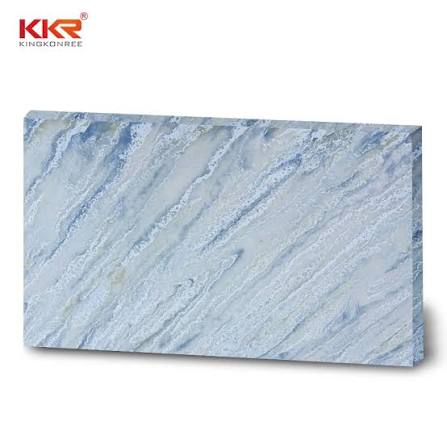
Solid surface materials are engineered products generally made from mineral fillers, resin systems, pigments, and other components. Their exact composition varies by manufacturer and formulation.
They are used in bathroom applications such as washbasins, countertops, bathtubs, and integrated vanity installations.
Depending on the specific product, solid surface materials can offer design flexibility, smooth finishes, and relatively straightforward cleaning requirements.
Compare Material Performance
Before choosing a product, review its technical information, including:
- Resistance to everyday wear and scratching.
- Stain resistance and cleaning requirements.
- Suitability for regular moisture exposure.
- Surface finish and color consistency.
- Weight and installation requirements.
- Repair and maintenance considerations.
These details help buyers determine whether a material is appropriate for the renovation environment.
Match Materials with Existing Interiors
New bathroom products should complement existing flooring, wall tiles, cabinetry, and decorative elements.
Neutral colors can work well with many interior styles, while contrasting finishes may create a more distinctive appearance. Reviewing physical samples can help avoid unexpected differences in color or texture.
Select Washbasins That Fit the Renovated Space
Washbasins are essential bathroom fixtures, and their dimensions and installation styles influence the overall layout.
A suitable basin should provide comfortable daily use without restricting available movement space.
Consider Different Basin Designs
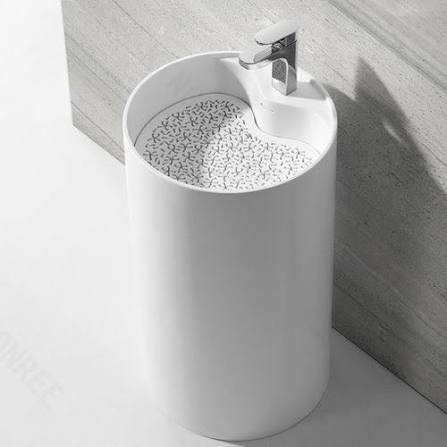
Common washbasin styles include countertop, wall-mounted, integrated, and freestanding designs.
Each option has different installation and space requirements. For example, countertop basins may create a decorative focal point, while wall-mounted models can leave more visible floor space.
Check Basin Dimensions
A basin should be appropriately sized for the bathroom and its intended users.
Compact models can work well in guest bathrooms and smaller residential spaces. Wider basins may be more suitable for larger bathrooms with generous countertop areas.
Review Cleaning and Maintenance Needs
The basin’s shape, surface finish, and installation joints can influence routine cleaning.
Products with accessible surfaces and suitable finishes may simplify maintenance. Buyers should follow the manufacturer’s cleaning recommendations to preserve the product’s appearance.
Select Suitable Bathroom Countertops and Vanities
Replacing an outdated vanity can significantly change the appearance and usability of a bathroom.
However, countertop and cabinet selection should consider available space, plumbing arrangements, and storage requirements.
Determine the Required Countertop Size
Measure the existing vanity area and identify any obstacles, such as wall corners, doors, or plumbing connections.
A correctly sized countertop should provide adequate space around the washbasin while allowing comfortable movement.
Plan Storage Requirements
Bathroom vanities should accommodate the items used regularly by household members or commercial users.
Consider whether the renovation requires:
- Drawers for smaller personal care products.
- Cabinets for towels and cleaning supplies.
- Open shelves for frequently used items.
- Concealed storage for a cleaner appearance.
The selected storage arrangement should also allow convenient access to plumbing connections when maintenance is required.
Coordinate Countertop and Cabinet Finishes
The countertop and vanity cabinet should work with the existing bathroom color scheme.
A coordinated combination can create a more unified interior, while carefully selected contrasting finishes can introduce visual depth.
Consider Bathtub Replacement Requirements
Replacing a bathtub involves more than choosing a design that matches the bathroom’s appearance. Dimensions, weight, plumbing, drainage, and structural support must all be considered.
Review Available Installation Space
Measure the existing bathtub area and check the clearance around nearby fixtures.
A freestanding bathtub may require additional floor space, while a built-in model may be more appropriate for certain layouts.
Compare Available Materials
Bathtubs are manufactured using different materials, including acrylic, cast iron, and solid surface compositions.
These materials vary in weight, heat retention, surface characteristics, and maintenance requirements. Buyers should compare technical specifications before making a decision.
Confirm Plumbing and Structural Compatibility
The new bathtub must connect properly to the drainage system and available water supply.
Its weight, including the weight of water and users, should also be considered when assessing floor support. Professional installation advice can help prevent avoidable problems.
Balance Design Preferences with Practical Functionality
Renovation projects often involve choosing between different visual styles and practical requirements. The most suitable products should support both.
Maintain a Consistent Design Theme
Choose fixtures that complement the existing interior or the new design direction.
Minimalist bathrooms may benefit from simple geometric shapes and neutral surfaces, while traditional interiors may require different colors and decorative details.
Make Efficient Use of Limited Space
Small bathrooms need products that preserve usable floor area.
Compact washbasins, wall-mounted fixtures, and appropriately sized vanities can help improve the layout without sacrificing essential functionality.
Prioritize Everyday Comfort
Consider how frequently the bathroom will be used and who will use it.
Basin height, countertop space, storage access, and movement clearance should all be appropriate for the intended users.
Understand Customization Options
Not every renovation project can accommodate standard product dimensions or configurations. Customization may help address unusual layouts and specific design preferences.
Customized Dimensions
Some bathrooms have narrow walls, irregular corners, or limited vanity areas.
Customized countertops and washbasins may help fit these spaces more effectively. Accurate measurements and approved technical drawings are essential before production begins.
Different Colors and Finishes
Color and surface finish influence how new bathroom fixtures interact with existing materials.
Depending on the available product range, buyers may be able to select different shades, patterns, and finishes to coordinate with the renovation design.
Integrated Product Configurations
Integrated washbasins and countertops can create a continuous appearance.
These configurations may be suitable for renovation projects seeking a streamlined vanity area, provided that plumbing and installation conditions allow the selected design.
Set a Realistic Renovation Budget
Budget planning helps prevent unexpected expenses and ensures that product choices remain aligned with the project’s financial requirements.
The total renovation budget should include more than the purchase price of bathroom fixtures.
Important cost considerations include:
- Product costs: Compare the prices of different materials, dimensions, and designs.
- Removal expenses: Account for dismantling and disposing of existing fixtures.
- Installation labor: Include plumbing, fabrication, and fitting costs.
- Structural adjustments: Allow for possible floor or wall modifications.
- Additional materials: Consider sealants, mounting components, and plumbing accessories.
- Customization charges: Include any additional costs associated with special dimensions or finishes.
- Contingency funds: Reserve an amount for unexpected renovation issues.
Comparing the complete project cost provides a more accurate picture than evaluating individual product prices alone.
Verify Product Quality and Manufacturer Support
Selecting products from a suitable manufacturer is important, particularly when renovation projects involve customized dimensions or multiple fixtures.
Buyers should review product documentation and confirm that the manufacturer can meet the project’s requirements.
Request Technical Specifications
Technical documentation can provide information about product materials, dimensions, installation methods, and maintenance procedures.
These details help contractors and designers determine whether a product is suitable for the existing bathroom.
Review Samples and Finish Options
Physical samples allow buyers to evaluate colors, textures, and surface appearance before placing an order.
This step is particularly useful when new fixtures must match existing countertops, tiles, or cabinetry.
Confirm Warranty and After-Sales Support
Understand the warranty conditions, coverage limitations, and available technical assistance.
Clear communication about replacement parts, maintenance guidance, and installation support can also help reduce uncertainty during renovation work.
Plan Installation and Renovation Scheduling
Even suitable products can create difficulties if their delivery and installation are not properly coordinated.
A clear schedule helps contractors complete different renovation stages efficiently.
Confirm Product Measurements Before Ordering
Final measurements should be checked after any necessary demolition or structural preparation.
This reduces the risk of ordering products that do not fit the finished installation area.
Coordinate Contractors and Suppliers
Plumbers, electricians, tilers, installers, and product suppliers should work according to an agreed project schedule.
For customized products, production lead times should be considered before confirming the renovation completion date.
Inspect Products Before Installation
Check delivered products for visible damage, incorrect dimensions, and inconsistencies with the approved specifications.
Identifying problems early can help prevent delays after installation work has started.
Maintenance Planning for Long-Term Results
A successful renovation should consider how bathroom products will be maintained after installation.
Regular care helps preserve surface appearance and identify potential issues before they become more serious.
Recommended practices include:
- Clean surfaces using manufacturer-approved products.
- Avoid abrasive tools that may damage certain finishes.
- Remove soap residue and standing water when necessary.
- Inspect joints, sealants, and plumbing connections periodically.
- Address small chips, cracks, or leaks promptly.
- Follow specific care instructions for each material.
Maintenance requirements differ between products, so general cleaning practices should not replace manufacturer guidance.
Conclusion
Selecting suitable bathroom products for renovation projects requires careful attention to layout, material quality, product dimensions, customization, budget, and installation requirements. Washbasins, countertops, bathtubs, and vanities should be chosen according to the existing space and the practical needs of the people who will use them.
When considering KingKonree products or comparing options from other bathroom manufacturers, buyers should review technical specifications, material characteristics, available designs, and maintenance requirements. A well-planned selection process helps create renovated bathrooms that combine attractive interiors with everyday convenience and long-term value.