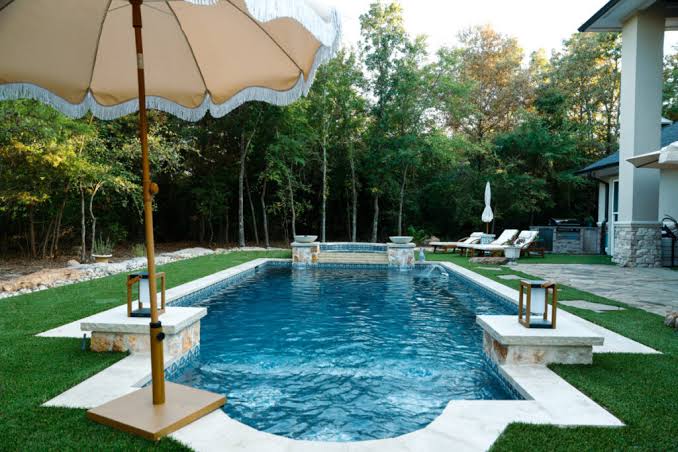
Swimming pool lighting plays an important role in creating a comfortable, attractive, and safer outdoor environment. The right lighting can improve visibility after sunset, highlight architectural details, and make the surrounding patio or garden more inviting. With careful planning, homeowners can combine practical illumination with decorative effects that complement the entire outdoor space.
A Custom Swimming Pool offers flexibility when choosing lighting positions, fixture types, brightness levels, and control systems. Whether the goal is to create a relaxing evening atmosphere or improve visibility around steps and pathways, lighting should be considered early in the design process to ensure proper placement, electrical safety, and long-term performance.
1. Install Underwater LED Lights
Underwater LED lights are a popular option for illuminating the pool itself. They help swimmers see the water more clearly after dark and highlight the pool’s shape, depth transitions, and interior finish.
LED fixtures are generally energy-efficient compared with many older lighting technologies. They are available in different brightness levels and color options, making them suitable for both functional and decorative applications.
When selecting underwater lights, consider the pool’s dimensions, water depth, surface color, and intended use. A larger pool may require multiple fixtures to achieve balanced illumination, while a smaller pool may need only a few carefully positioned lights.
Choose fixtures specifically rated for underwater pool installation. Their installation, electrical connections, and required protective systems should be handled by qualified professionals in accordance with applicable codes.
2. Use Warm Lighting for a Relaxing Atmosphere
The color temperature of outdoor lighting can influence the mood of the pool area. Warm white lighting often creates a comfortable, inviting atmosphere that works well with natural stone, timber-look decking, and landscaped gardens.
Neutral white light can provide a clean, contemporary appearance, while cooler white lighting may suit modern architectural designs. The best choice depends on the surrounding materials, landscape colors, and personal preferences.
For a balanced result, coordinate underwater lights with nearby patio and garden fixtures. Avoid excessive brightness or strong contrasts that make the pool area uncomfortable to view.
Lighting should also preserve visibility around the water. Decorative effects are most effective when they complement, rather than interfere with, practical illumination.
3. Add Color-Changing LED Lighting
Color-changing LEDs allow homeowners to adjust the appearance of the pool for different occasions. Some systems offer preset colors, gradual transitions, and programmable lighting scenes.
A single color can create a consistent atmosphere, while changing colors may suit celebrations and outdoor gatherings. More restrained settings can be used during ordinary evenings to avoid an overly busy visual effect.
Before selecting a color-changing system, check whether it works with the intended fixtures and control equipment. Some products offer remote controls, while others integrate with broader pool automation systems.
Use color thoughtfully and keep enough consistent lighting around steps, ladders, and walking areas. Changing colors should not make important safety features difficult to identify.
4. Illuminate Steps, Ledges, and Entry Points
Steps and entry points deserve particular attention because swimmers need to identify changes in depth and navigate the pool safely.
Lighting can help make built-in steps, shallow ledges, benches, and ladders more visible. Depending on the pool design, this may involve appropriately positioned underwater fixtures or other approved lighting solutions.
Avoid placing lights where glare makes it difficult to see the water’s surface. The aim is to illuminate important features clearly without creating distracting reflections.
The layout should be planned around how people enter, exit, and move through the pool. Properly illuminated entry points are especially useful for evening swimming, although lighting must always be combined with suitable pool access arrangements and supervision.
5. Highlight Waterfalls and Fountains
Waterfalls and fountains can become striking visual features when illuminated carefully. Light directed toward falling water can reveal its movement and texture, creating an attractive focal point after sunset.
Small fixtures may be positioned to highlight a sheer waterfall, while concealed lighting can emphasize the shape of a stone feature or architectural wall. Fountains may also benefit from lighting that reveals the movement of water without producing excessive glare.
The lighting system should be compatible with the feature’s materials and operating conditions. Fixtures and connections must be suitable for their location, especially where water spray is constant.
Consider the view from the house, patio, and main seating areas. A well-positioned feature light can enhance the landscape without requiring every part of the backyard to be brightly illuminated.
6. Add Lighting Around the Pool Deck
The pool deck needs practical illumination for walking, sitting, and accessing the water. Suitable lighting helps people identify changes in level, furniture, drainage channels, and other potential obstacles.
Options include low-level pathway lights, wall-mounted fixtures, and appropriately rated lights integrated into nearby structures. The choice depends on the deck material, layout, and exposure to water.
Use fixtures that are designed for outdoor conditions and provide suitable light distribution. Avoid placing bright sources directly in people’s line of sight or creating dark gaps between important walking areas.
Non-slip decking and effective drainage remain essential. Lighting supports safe movement but cannot compensate for slippery surfaces or poorly designed pathways.
7. Use Landscape Lighting to Frame the Pool
Landscape lighting can connect the swimming pool with the rest of the outdoor environment. It highlights selected plants, garden walls, trees, and architectural details while helping define the boundaries of the space.
Low-level lights can guide movement along paths, while carefully directed spotlights may emphasize a feature tree or textured wall. Subtle lighting often creates a more balanced result than illuminating every plant and structure equally.
Fixtures should be positioned to avoid unnecessary glare into the pool or neighboring properties. Consider how the lighting will appear from different viewpoints, including inside the house.
Plants also grow and change over time, so lights should remain accessible for adjustment and maintenance. Keep electrical components protected from irrigation, standing water, and accidental damage.
8. Choose Energy-Efficient Lighting Controls
Energy efficiency is an important consideration when planning pool lighting. LED fixtures typically use less electricity than many traditional alternatives, and suitable controls can help reduce unnecessary operating time.
Timers allow lights to switch off automatically after a set period. Dimmers can adjust brightness where supported, while compatible automation systems may coordinate pool and landscape lighting.
For example, homeowners may create one setting for swimming, another for entertaining, and a lower-intensity setting for relaxing outdoors. The exact options depend on the installed equipment.
Choose controls that are simple to operate and compatible with the selected fixtures. Regularly check schedules to ensure lights are not running longer than necessary.
9. Consider Fiber-Optic Lighting
Fiber-optic lighting can provide decorative effects in selected pool designs. In these systems, light is generated by a source and transmitted through optical fibers to designated points or features.
Depending on the installation, fiber-optic systems may be used for small illuminated details, perimeter effects, or decorative accents. Because the light source can be located away from the illuminated point, certain designs can reduce the need for electrical components at individual lighting locations.
However, fiber-optic systems have their own installation requirements, costs, and maintenance considerations. They may not be the most practical choice for every pool.
Compare their capabilities with those of modern LED systems before making a decision. The most appropriate option depends on the desired visual effect, installation layout, and available budget.
10. Prevent Glare and Uneven Illumination
A well-lit pool should be easy to see without creating discomfort. Poorly positioned fixtures can produce reflections on the water, harsh brightness, or dark areas that make it harder to judge distances.
Lighting designers should consider the position of swimmers, the angle of the fixtures, the pool’s surface color, and the location of nearby windows and seating areas.
Using several appropriately positioned lights may provide more even illumination than relying on a single overly bright fixture. However, the number and placement of lights should be determined by the pool’s dimensions and the performance of the selected products.
Test the lighting from different viewpoints where possible. This helps identify glare and uneven areas before the project is finalized.
11. Select Durable, Pool-Rated Fixtures
Swimming pools expose lighting equipment to moisture, treatment chemicals, temperature changes, and sometimes salt or corrosive conditions. Fixtures must be suitable for their specific installation environment.
Check the manufacturer’s specifications for underwater use, outdoor exposure, corrosion resistance, and compatibility with the pool’s water-treatment system.
Other considerations include:
- Appropriate waterproofing and enclosure ratings.
- Suitable materials for the local environment.
- Availability of replacement parts.
- Warranty coverage and service requirements.
- Compatibility with existing controls and power systems.
A low purchase price may not provide good value if a fixture fails early or is difficult to service. Choosing suitable products and installing them correctly can help reduce long-term repair costs.
12. Plan Electrical Safety From the Beginning
Electrical safety is essential whenever lighting is installed near a swimming pool. Water, wet surfaces, and electrical equipment create hazards that require proper planning and professional installation.
Pool lighting should comply with applicable electrical and building codes. Depending on the installation, requirements may include specific fixture ratings, protective devices, bonding, grounding, cable routing, and separation distances.
Homeowners should not attempt to modify underwater wiring or open pool light fixtures unless they are qualified and authorized to do so. Any inspection or repair should follow the manufacturer’s instructions and local safety requirements.
The lighting plan should be coordinated with the pool’s electrical system before construction begins. Early planning helps avoid costly changes and supports a safer installation.
13. Coordinate Lighting With Pool Materials and Colors
The pool’s interior finish can influence how light appears in the water. Light-colored surfaces may create a brighter appearance, while darker finishes can produce a deeper visual effect.
Tiles, stone surrounds, decking, and nearby walls also affect how light is reflected. A lighting scheme that looks effective in one setting may appear too harsh or too dim in another.
If possible, review samples or design visualizations before selecting fixtures. Consider how the pool will look during daylight as well as at night.
A coordinated approach helps create a consistent appearance across the pool, patio, and landscape without relying on excessive brightness or decorative effects.
14. Budget for Installation and Maintenance
The cost of pool lighting depends on the number and type of fixtures, wiring requirements, control systems, installation complexity, and whether the lights are being added during new construction or to an existing pool.
Basic LED lighting may be relatively straightforward, while color-changing systems, fiber-optic effects, and integrated automation can require additional investment.
The budget should include more than the fixtures themselves. Consider electrical installation, control equipment, access requirements, inspections where applicable, and future servicing.
Ask contractors to provide an itemized quotation that explains the selected products, installation work, warranty terms, and any exclusions. Comparing similar specifications makes it easier to understand the value of each proposal.
Routine inspections can help identify damaged fittings, failed lights, or control problems before they become more costly to resolve.
Conclusion
Swimming pool lighting can improve visibility, highlight architectural features, and create an inviting atmosphere for evening use. Underwater LEDs, step lighting, deck fixtures, landscape illumination, and carefully placed lights around waterfalls or fountains each serve different purposes.
The most effective design combines visual appeal with energy efficiency, durable equipment, and electrical safety. By planning fixture placement and controls early, homeowners can create a swimming pool environment that is attractive, practical, and comfortable to enjoy after dark.