Consistent performance is an important requirement for bowling equipment used throughout the day. Pin positioning, mechanical movement, string tension, control systems, and component durability can all influence how reliably a string bowling system completes each operating cycle.
A String Bowling Manufacturer considers these factors during equipment development to create systems that can perform repeatedly under regular bowling center conditions.
Designing for Repeatable Pinsetter Cycles
A string bowling system must complete a series of coordinated actions each time a bowling ball is delivered. The equipment needs to manage pin movement, string operation, resetting, and preparation for the next cycle.
Consistent mechanical timing helps ensure that these actions occur in the intended sequence. Manufacturers can evaluate repeated cycles during development and testing to identify potential inconsistencies.
Maintaining Consistent String Movement
Strings play a central role in the operation of a string pinsetter. Their movement needs to remain predictable as pins are raised, positioned, and returned to the playing area.
String quality, attachment methods, routing, and tension can all influence performance. Properly selected components help maintain reliable movement over repeated operating cycles.
Using Durable Mechanical Components
A bowling center can place considerable demands on equipment because systems may operate for extended periods. Components such as pulleys, shafts, brackets, guides, bearings, and other mechanical parts need to withstand repeated movement.
Selecting appropriate materials and manufacturing components to consistent specifications can help reduce unwanted variation during operation.
Precision in Equipment Assembly
Consistent performance depends not only on individual components but also on how they are assembled. Correct positioning and alignment can influence the movement of strings, pins, and mechanical assemblies.
Manufacturing procedures that maintain consistent assembly tolerances can help ensure that equipment performs according to its intended design.
Control Systems and Sensors
Electronic controls can coordinate different stages of the pinsetter cycle. Sensors may monitor specific positions or operating conditions and provide information to the control system.
Reliable sensors and properly configured controls can help equipment respond consistently to different operating conditions.
Managing Pin Positioning
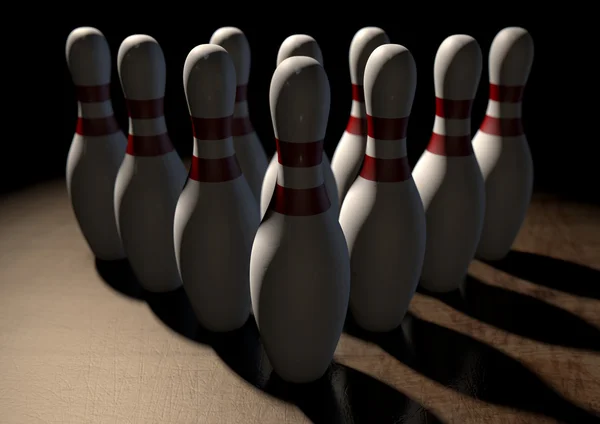
Pin positioning is another important part of string bowling performance. The equipment must return pins to appropriate positions so the bowling lane is prepared for the next delivery.
The design of the pinsetter, string attachments, guides, and control sequence can all influence how consistently pins are positioned.
Testing Equipment Through Repeated Cycles
Manufacturers can use repeated operating cycles to evaluate equipment behavior. Testing may help identify issues involving string movement, mechanical wear, alignment, electrical controls, or component interaction.
Testing under repeated-use conditions can provide useful information about how equipment performs beyond a single operating cycle.
Quality Control During Manufacturing
Quality control helps maintain consistency between individual systems and components. Manufacturers may inspect dimensions, materials, electrical connections, mechanical assemblies, and finished equipment before delivery.
Consistent inspection procedures can reduce variation and help identify components that do not meet the required specifications.
Reducing Unnecessary Mechanical Complexity
String bowling systems use a different pinsetting approach from traditional mechanical pinsetters. A design with fewer complex mechanical operations can potentially simplify certain aspects of operation and servicing.
However, reliable performance still depends on proper engineering, component selection, installation, and maintenance.
Proper Installation and Alignment
Even a well-designed system can experience performance problems if it is installed incorrectly. Equipment must be positioned, aligned, connected, and calibrated according to the manufacturer’s specifications.
Installation teams should verify each lane and confirm that strings, pins, sensors, controls, and mechanical components operate correctly before opening the lanes for regular use.
Preventive Maintenance and Performance
Consistent performance also depends on maintenance after installation. Strings, fasteners, pulleys, sensors, motors, and other components can experience normal wear over time.
Following a preventive maintenance schedule allows operators to identify developing issues before they significantly affect equipment operation.
Monitoring Equipment During Daily Operation
Bowling center staff can help maintain consistency by observing equipment during normal use. Unusual sounds, irregular pin movement, delayed cycles, or visible string wear may indicate that inspection is required.
Keeping maintenance records can also help identify recurring issues and determine when specific components may need attention.
Environmental and Operating Conditions
Equipment operates within the environment of a bowling facility, where temperature, dust, cleaning practices, and operating intensity can vary.
Manufacturers provide operating and maintenance requirements to help facilities keep equipment within appropriate conditions. Following these guidelines can support reliable operation over time.
Availability of Replacement Components
Consistent performance can become difficult to maintain if worn components cannot be replaced promptly. Access to appropriate replacement strings, mechanical parts, electrical components, and other service items can help reduce prolonged equipment downtime.
Facilities should understand replacement-part availability and ordering procedures before putting equipment into regular operation.
Technical Support and Troubleshooting
Technical support can also contribute to long-term consistency. When an unusual performance issue occurs, access to accurate troubleshooting information can help operators identify the underlying cause.
Manufacturer support may also assist technicians with component identification, maintenance procedures, system adjustments, and other technical questions.
Conclusion
Consistent string bowling performance results from several factors working together. Equipment design, string quality, mechanical precision, control systems, manufacturing quality, installation, testing, and preventive maintenance all contribute to reliable operation.
For bowling centers, evaluating these factors before installation and maintaining the equipment according to recommended procedures can help support predictable performance throughout the system’s operating life.