The performance of a disposable paper cup depends on how its individual components work together. The sidewall gives the cup its shape, while the bottom component completes the container and helps it hold liquids. Cup stock paper bottom roll is used to produce these bottom components and must be selected with the same care given to the main cup material.
Manufacturers evaluating Cup Stock Paper Bottom Roll should consider the relationship between the paper substrate, coating system, roll format, and cup-forming process. A material that is appropriate for one machine or cup size may require adjustments before it can be used in another production setup.
What Is Cup Stock Bottom Roll?
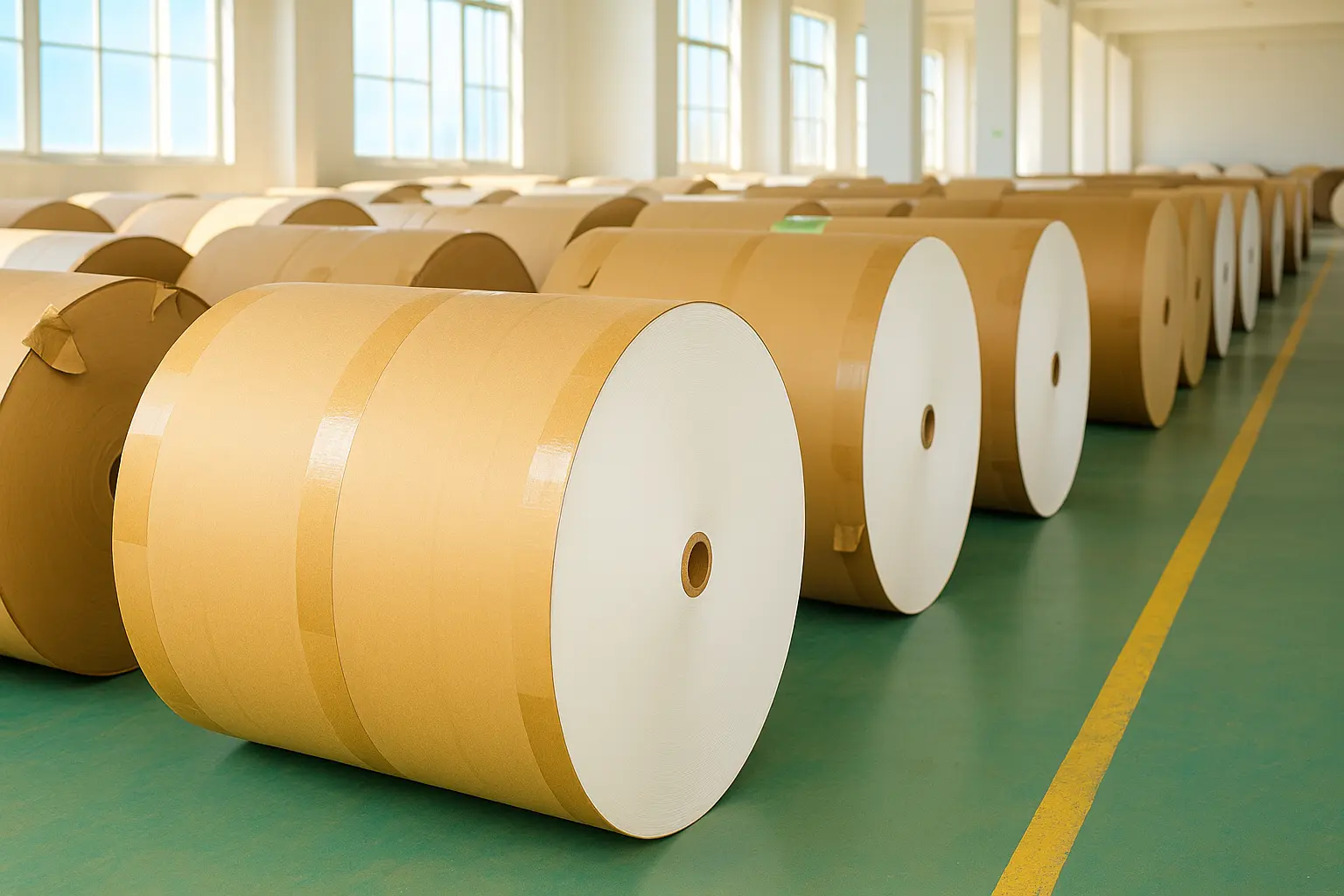
Cup stock bottom roll is paper material supplied in a continuous roll for manufacturing the bottom sections of disposable paper cups. The roll is processed through equipment that cuts individual discs or other specified shapes.
These components are then positioned inside the formed cup body and attached using the machine’s sealing process. The finished bottom must fit the cup’s dimensions and form a suitable connection with the sidewall.
Although the bottom disc is relatively small, it performs an essential structural and functional role. Its dimensions, paper properties, and coating must be compatible with the overall cup design.
The Importance of Matching Paper Specifications
Paper grades are not interchangeable simply because they are intended for cup manufacturing. Different applications may require different levels of stiffness, thickness, and coating performance.
Grammage is one of the first specifications buyers should examine. It indicates the mass of paper per square metre and helps define the material grade. Thickness should also be checked because it affects the physical structure and may differ between materials with similar grammage.
Stiffness is another practical consideration. During production, the paper must feed through the machine and form a stable bottom component. If the material is poorly matched to the equipment, cutting and positioning may become inconsistent.
A good purchasing decision considers all these properties together rather than selecting a material based on a single number.
Coating and Liquid Resistance
Cup bottom material generally requires a suitable barrier system because untreated paper can absorb moisture. Polyethylene coating is commonly used in disposable cup materials, although other coating technologies may be available.
The coating specification should be compatible with the intended beverage application and the sealing process. Buyers should confirm whether the paper is coated on one or both sides and request the coating weight or other relevant technical details.
The coating also needs to work with the sidewall material. If the bottom and sidewall constructions are poorly matched, the sealing process may become more difficult to control.
For this reason, manufacturers should test the complete combination of cup body and bottom material rather than assessing each component in isolation.
Roll Format and Machine Compatibility
The roll must be suitable for the equipment used to produce bottom discs. Important physical details include:
- Roll width: Determines whether the material fits the cutting system.
- Outer diameter: Affects loading capacity and the duration of a production run.
- Core diameter: Must match the machine’s mounting arrangement.
- Winding quality: Supports controlled unwinding and material feeding.
- Edge condition: Helps reduce alignment problems and unnecessary waste.
Before requesting quotations, provide the supplier with the relevant machine details. If the equipment has specific requirements for roll dimensions or winding direction, include these in the purchasing specification.
How Bottom Paper Moves Through Production
Production begins when the roll is mounted and fed into the cutting system. The machine processes the material into individual bottom pieces according to the required dimensions.
The discs are then transferred to the cup-forming stage. Each component must be positioned accurately and sealed to the cup wall. The finished cup is inspected for shape, appearance, and functional performance.
During this sequence, material consistency can affect the stability of the process. Variations in thickness, coating, or winding quality may require adjustments to machine settings.
Manufacturers should monitor production regularly and document any changes that appear between batches.
Common Quality Checks
Incoming material inspections can help identify problems before the paper reaches the production line. Buyers may check roll dimensions, paper weight, thickness, surface appearance, and coating consistency.
During operation, observe whether the material unwinds smoothly and whether the discs are cut cleanly. Check for uneven edges, deformation, or feeding interruptions.
Finished cups should be evaluated for bottom attachment and liquid-holding performance under the intended conditions. If the cups are designed for hot beverages, testing should reflect the expected temperature and contact duration.
Food-contact suitability must also be verified through appropriate documentation. A supplier’s general description does not replace evidence that the material construction meets applicable requirements.
How to Work With a Reliable Supplier
A dependable supplier should understand the purpose of the material and provide a specification that can be reviewed before purchase. Ask for technical data, samples, and information about quality inspection procedures.
Discuss whether the supplier can maintain the agreed grade across repeat orders. It is useful to keep an approved sample and written specification so that later deliveries can be compared against the original material.
Clarify commercial details such as order quantities, production lead times, packaging, and delivery arrangements. These factors help businesses plan material availability and avoid unnecessary interruptions.
Storage and Material Care
Cup stock bottom rolls should be protected from excessive humidity, dust, direct sunlight, and physical damage. Keep the material packaged until it is needed and follow supplier instructions for storage and handling.
Proper inventory rotation helps ensure that stock is managed systematically. Record delivery dates and batch details so that any quality concerns can be traced to the relevant supply.
Reliable Packaging Starts With Compatible Components
Cup stock paper bottom roll is a specialized input that supports the construction of disposable cups. Its performance depends on the relationship between paper grade, coating, roll format, and production machinery.
By checking technical specifications, conducting production trials, and maintaining consistent supplier communication, manufacturers can make informed purchasing decisions and support reliable cup production.