Industrial production can generate dust through processes such as grinding, cutting, drilling, mixing, material transfer, and surface preparation. Even when dust is not the main output of a process, airborne particles can spread beyond the immediate work area and settle on machinery, products, floors, and storage surfaces. Choosing an appropriate dust-removal solution helps businesses manage these particles, maintain cleaner facilities, and reduce problems associated with uncontrolled accumulation.
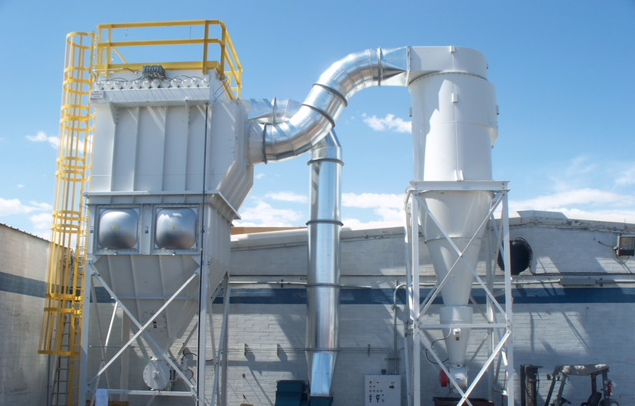
A Dust Remover is equipment or a system intended to remove dust from air, surfaces, or production environments. Depending on the application, it may use industrial extraction, filtered vacuum collection, localized ventilation, or another suitable removal method. Selecting the right solution requires more than comparing motor power or filter specifications. The material being collected, the source of dust, the required operating capacity, and the risks involved should all guide the decision.
1. Identify Where Dust Is Generated
The first step is to understand how and where dust enters the workplace. A facility may produce particles at cutting stations, grinding machines, raw-material handling points, packaging lines, or bulk storage areas.
Different sources require different removal approaches. Dust released continuously from a machine may be best managed through a fixed extraction hood, while occasional cleaning of floors and work surfaces may require an industrial vacuum.
Mapping dust-generating operations helps determine the number and location of collection points. It also makes it easier to identify areas where particles escape from existing equipment.
2. Understand the Properties of the Dust
Dust characteristics have a direct influence on equipment selection. Particle size, density, moisture content, abrasiveness, temperature, and chemical composition can affect how particles behave and which filtration method is suitable.
Fine particles may remain suspended in air longer than larger particles. Damp or sticky materials can clog unsuitable filters, while abrasive dust may wear down ductwork and internal components.
Some materials also present additional hazards. Combustible dust, toxic substances, and reactive powders require specialized assessment and equipment arrangements. Material safety information should be reviewed before selecting a removal method.
3. Choose Between Source Extraction and General Cleaning
Dust removal systems can serve different purposes.
Source extraction captures dust near the process that generates it. Hoods, enclosed machine connections, and extraction arms can prevent particles from spreading through the facility.
Industrial vacuum cleaning removes settled dust from floors, machinery, and other surfaces. The vacuum should be suitable for the particle type and the cleaning environment.
General ventilation and filtration may help manage background airborne particles, but it should not replace effective source capture where a process produces concentrated dust emissions.
Combining suitable methods often provides a more complete approach than relying on one machine for every task.
4. Check Airflow and Collection Capacity
For extraction equipment, airflow must match the number and type of connected capture points. A unit with insufficient airflow may fail to capture dust effectively, even if its filter is highly efficient.
Consider duct length, bends, hood position, simultaneous machine operation, and resistance across filters. These factors influence the airflow available at each extraction point.
For vacuum cleaning equipment, consider the size of the area, the amount of material collected, hose requirements, and the frequency of use. A collection container that is too small may require frequent emptying and interrupt work.
5. Select Appropriate Filtration
Filtration performance should be evaluated according to the dust being collected and the intended air discharge arrangement.
Cartridge filters offer a large filtration surface in a relatively compact space. Bag filters are used in many industrial collectors, while specialized filter media may be needed for particular temperatures, moisture levels, or chemical conditions.
The filtration specification should address particle size, operating temperature, humidity, filter compatibility, and maintenance requirements. Where hazardous dust is involved, the complete system—not just the filter material—must be evaluated.
6. Consider Operator Safety and Ease of Use
Equipment should be straightforward to operate, inspect, and clean. Accessible controls, secure hoses, suitable collection containers, and clear operating instructions can make routine use more consistent.
Moving machinery, electrical components, and collected dust may introduce hazards. Appropriate guarding, electrical protection, safe handling procedures, and training should be included in the operating plan.
For combustible dust, ordinary cleaning equipment may be unsuitable. Facilities should obtain a qualified assessment and use equipment designed for the identified hazard.
7. Evaluate Maintenance Requirements
Filters, fans, hoses, seals, motors, and collection containers require routine attention. Maintenance intervals should be based on actual operating conditions and manufacturer guidance.
Monitor pressure differential or other performance indicators where available. Reduced suction, unusual noise, damaged hoses, or dust escaping from the unit may indicate a problem.
A maintenance plan should also explain how collected dust is emptied and disposed of without creating secondary exposure.
8. Compare Total Operating Costs
Purchase price does not represent the full cost of ownership. Energy use, filter replacement, spare parts, cleaning time, service requirements, and downtime all affect the long-term investment.
A slightly more expensive system may offer practical advantages if it is easier to maintain or better suited to the production environment. Supplier support and the availability of replacement filters should also be considered.
Conclusion
Choosing an effective dust remover begins with identifying the source and properties of the dust, then matching the removal method, airflow, filtration, and capacity to the application. Safety, maintenance, and operating costs should also influence the final decision. A well-selected solution can help maintain cleaner production areas and support more controlled industrial processes.