Essential Features to Look for When Buying a Wudu Sink
Choosing the right ablution fixture requires careful consideration of comfort, hygiene, durability, and ease of use. A well-designed washing station can make daily wudu more convenient while helping maintain a clean and organized bathroom or prayer area. Whether you are furnishing a private home, a mosque, or a commercial facility, understanding the essential features can help you make a practical long-term investment.
Before purchasing a Wudu Sink, consider how the fixture will be used, who will use it, and how much space is available for installation. Basin dimensions, drainage performance, material quality, accessibility, and maintenance requirements all influence its suitability. Comparing these factors before making a decision can help you find a sink that meets your needs without unnecessary expense.
1. Comfortable and Practical Design
The overall design of a wudu sink affects how easily users can complete their washing routine. Unlike conventional bathroom basins, ablution fixtures may need to accommodate washing the face, arms, hands, and feet.
Look for a design that provides sufficient room for movement without requiring excessive bending or stretching. The basin shape should support comfortable washing while helping direct water toward the drain.
For facilities serving different age groups, consider whether the design will accommodate children, adults, and older users. A practical fixture should prioritize everyday usability rather than appearance alone.
2. Appropriate Basin Size and Height
Basin dimensions are among the most important factors to evaluate before buying. A sink that is too small may cause water to splash onto the floor, while an oversized model may take up valuable space.
Measure the installation area carefully, including the available width, depth, and height. Also account for nearby toilets, showers, doors, and other fixtures to ensure that the sink does not obstruct movement.
Height is equally important. A comfortable position reduces unnecessary strain during repeated washing. If the fixture will be used for foot washing, check whether its configuration supports that activity or whether a dedicated lower basin is needed.
3. Durable and Water-Resistant Materials
A wudu sink is exposed to water frequently, so material quality should be a priority. The selected surface should withstand regular cleaning and resist the wear associated with daily use.
Common options include:
- Ceramic: Offers a smooth, familiar bathroom finish and is generally easy to clean.
- Porcelain: Provides a hard, low-porosity surface suitable for many residential and commercial bathrooms.
- Solid surface: Supports contemporary shapes and integrated designs, with maintenance requirements depending on the specific material.
- Stainless steel: Can be suitable for institutional environments where durability and frequent cleaning are important.
- Natural stone: Offers distinctive patterns but may require sealing and more specialized care.
Compare the manufacturer’s specifications, expected service life, and cleaning recommendations rather than choosing a material based on appearance alone.
4. Efficient Drainage System
Effective drainage is essential for keeping the ablution area clean and reducing standing water. A poorly designed or incorrectly installed drain can lead to pooling, unpleasant odors, and additional cleaning work.
Check the drain position, outlet size, and compatibility with the existing plumbing. The basin should direct water toward the outlet without creating areas where water regularly accumulates.
For installations that involve frequent foot washing, the surrounding floor drainage also deserves attention. A properly designed floor and suitable waterproofing can help manage water that falls outside the basin.
5. Splash Control and Floor Safety
Water splashing onto the bathroom floor can create slippery conditions. The basin’s depth, shape, and faucet position all influence how effectively it contains water.
Choose a design that provides enough washing space and allows the tap to direct water into the basin. The water flow should be comfortable for users without creating unnecessary splashing.
The surrounding floor should use materials suitable for wet environments, with appropriate slip resistance. Good drainage, adequate lighting, and clear walking paths further improve safety.
These features are especially important in mosques and shared ablution facilities, where many people may use the washing area within a short period.
6. Ergonomic Features and Accessibility
Accessibility should be considered before installation, particularly when the sink will serve people with different mobility needs.
Some fixtures provide lower washing areas, seated foot-washing arrangements, or accessible faucet controls. These features can reduce the need to bend, lift the legs, or maintain an uncomfortable standing position.
When selecting a sink for a public building, evaluate the available approach space and whether users can reach the basin comfortably. Seated designs may be beneficial for older adults and people with limited mobility.
Where accessibility standards apply, make sure the complete installation—not just the basin itself—meets the relevant requirements.
7. Easy Cleaning and Hygiene
A sink used for frequent ablution needs a straightforward cleaning routine. Smooth surfaces, accessible drain fittings, and simple basin shapes can make it easier to remove dirt, water deposits, and residue.
Avoid designs with difficult-to-reach corners or unnecessary crevices if the fixture will require frequent cleaning. Check whether the material can tolerate the cleaning products you intend to use.
For public facilities, maintenance access is particularly important. Staff should be able to clean the basin, inspect the taps, and remove drain debris without complicated procedures.
A dedicated cleaning schedule also helps maintain hygienic conditions, regardless of the sink’s material or design.
8. Reliable Faucets and Water Controls
The faucet is an important part of the complete washing station. Its height, reach, and water-flow characteristics affect comfort and help determine how much water reaches the basin rather than the surrounding surfaces.
Choose a faucet that is compatible with the basin and provides convenient control. Lever-operated handles may be easier for some users, while sensor-operated models can be considered for certain public installations.
Water-saving faucets and flow regulators may reduce unnecessary consumption, provided they supply enough water for the intended washing activities.
Also consider replacement parts and service availability. A durable sink can still become inconvenient if its taps or fittings are difficult to repair.
9. Suitable Installation Type
Wudu sinks are available in different configurations, and the right option depends on the available space and intended use.
Wall-Mounted Wudu Sinks
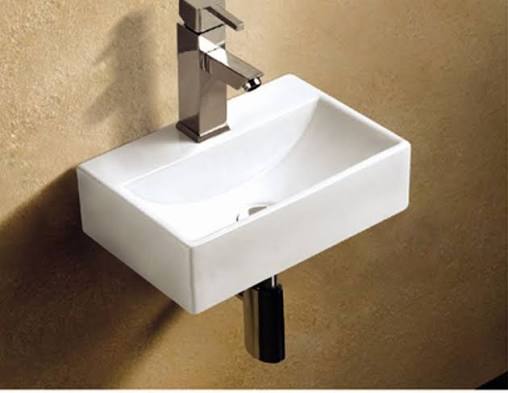
Wall-mounted models leave floor space beneath the basin, which can simplify cleaning and create an open appearance. They work well in many compact bathrooms but require secure mounting and suitable wall support.
Floor-Standing Wudu Sinks
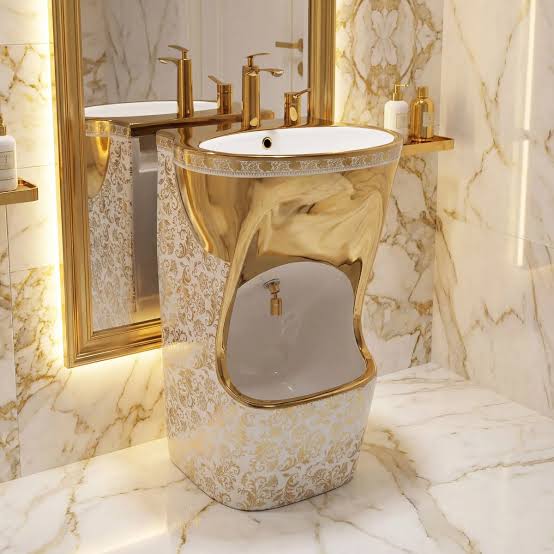
Floor-standing designs may provide a stable structure and can accommodate larger or specialized basin configurations. They may be suitable for spacious residential bathrooms, mosques, and public washing areas.
Integrated Ablution Stations
Integrated stations may combine a basin with a seat, a foot-washing section, or multiple washing points. They can provide a more complete solution where dedicated ablution facilities are required.
Before choosing an installation type, confirm that the plumbing connections, mounting arrangements, and surrounding space are suitable.
10. Water Efficiency
Water efficiency can influence long-term operating costs, particularly in facilities with frequent daily use. A suitable faucet, controlled water flow, and efficient drainage arrangement can help reduce unnecessary waste.
Look for products with clearly stated flow rates or water-efficiency information. Automatic shut-off features may also be useful in some shared facilities.
However, efficiency should not come at the expense of comfortable use. The water supply must remain appropriate for the intended washing routine, and users should be able to control the flow when necessary.
11. Design Compatibility and Appearance
A wudu sink should fit naturally into its surroundings. Its color, finish, and shape can complement existing bathroom fixtures while creating a consistent interior design.
For contemporary bathrooms, simple geometric shapes and neutral colors often work well. Traditional interiors may suit curved ceramic basins, warm finishes, or natural stone-inspired surfaces.
In mosques and commercial buildings, visual consistency across several washing stations can help create an organized appearance. However, appearance should remain secondary to comfort, durability, and safe installation.
12. Maintenance, Warranty, and After-Sales Support
The initial purchase price does not represent the full cost of owning a wudu sink. Cleaning, plumbing repairs, replacement fittings, and eventual maintenance can affect the total expense over time.
Before buying, review the warranty terms and identify what they cover. Confirm whether replacement parts are available and whether installation must be completed by an approved professional to maintain warranty protection.
For large projects, ask about delivery arrangements, product documentation, technical support, and the availability of matching fixtures. These details can make maintenance easier after installation.
How to Choose the Right Wudu Sink for Your Needs
The most suitable sink depends on the installation environment and the people who will use it. A simple evaluation can help narrow down the available choices.
| Buying consideration | What to check |
|---|---|
| Available space | Measure the width, depth, height, and surrounding clearance |
| Intended users | Consider comfort, accessibility, and washing requirements |
| Material | Review durability, water resistance, and cleaning needs |
| Drainage | Check outlet compatibility and water-flow performance |
| Safety | Assess splash control, flooring, and surrounding drainage |
| Installation | Confirm wall support, plumbing, and mounting requirements |
| Maintenance | Review cleaning instructions, warranty, and spare parts |
| Budget | Compare purchase price with installation and long-term upkeep |
For a home, compact dimensions and easy cleaning may be the main priorities. For a mosque or other high-traffic facility, durability, drainage, accessibility, and maintenance access may carry greater importance.
Common Mistakes to Avoid When Buying a Wudu Sink
Even a well-made fixture may be unsuitable if important installation details are overlooked.
Choosing based only on appearance: A stylish sink may not provide sufficient space for comfortable washing. Evaluate dimensions and functionality before focusing on decorative features.
Ignoring plumbing compatibility: Differences in drain location, faucet connections, and mounting requirements can increase installation costs. Confirm these details before ordering.
Overlooking accessibility: A fixture that is difficult to approach or use may not meet the needs of everyone in the household or facility.
Selecting unsuitable materials: Some surfaces require more maintenance than others. Consider how frequently the sink will be used and cleaned.
Underestimating water management: Poor drainage and inadequate floor protection can lead to standing water and safety concerns.
Avoiding these mistakes can make the purchasing process more predictable and help ensure that the fixture remains practical over time.
Frequently Asked Questions
What Is the Most Important Feature of a Wudu Sink?
The most important feature is its suitability for the intended washing activities. Comfortable dimensions, effective drainage, durable materials, and safe access should be considered together rather than evaluated separately.
Which Material Is Best for a Wudu Sink?
Ceramic and porcelain are common choices because they provide smooth surfaces that are generally easy to clean. Solid surface, stainless steel, and natural stone may also be suitable depending on the environment, budget, and maintenance requirements.
Is a Wall-Mounted Wudu Sink Better Than a Floor-Standing Model?
Neither option is universally better. Wall-mounted designs can save floor space and simplify cleaning beneath the basin, while floor-standing models may accommodate different sizes and configurations. The best choice depends on the installation area and user requirements.
How Can I Prevent Water from Collecting Around the Sink?
Select a basin with effective drainage, position the faucet correctly, and ensure the surrounding floor is suitable for wet conditions. Proper installation, waterproofing, and regular drain maintenance also help manage water.
Should I Choose a Different Wudu Sink for a Mosque?
A mosque may require a fixture designed for frequent use by many people. Durable materials, accessible washing positions, efficient drainage, easy cleaning, and readily available replacement parts are especially useful for these environments.
Conclusion
Buying a wudu sink requires attention to the features that affect daily comfort, hygiene, safety, and long-term performance. Basin dimensions, material quality, drainage, faucet design, accessibility, and installation requirements should all be evaluated before making a purchase.
By comparing these practical considerations with the available space and intended users, homeowners and facility managers can select a fixture that meets their needs without sacrificing appearance or functionality. Careful planning and routine maintenance will help keep the ablution area clean, safe, and reliable for everyday use.