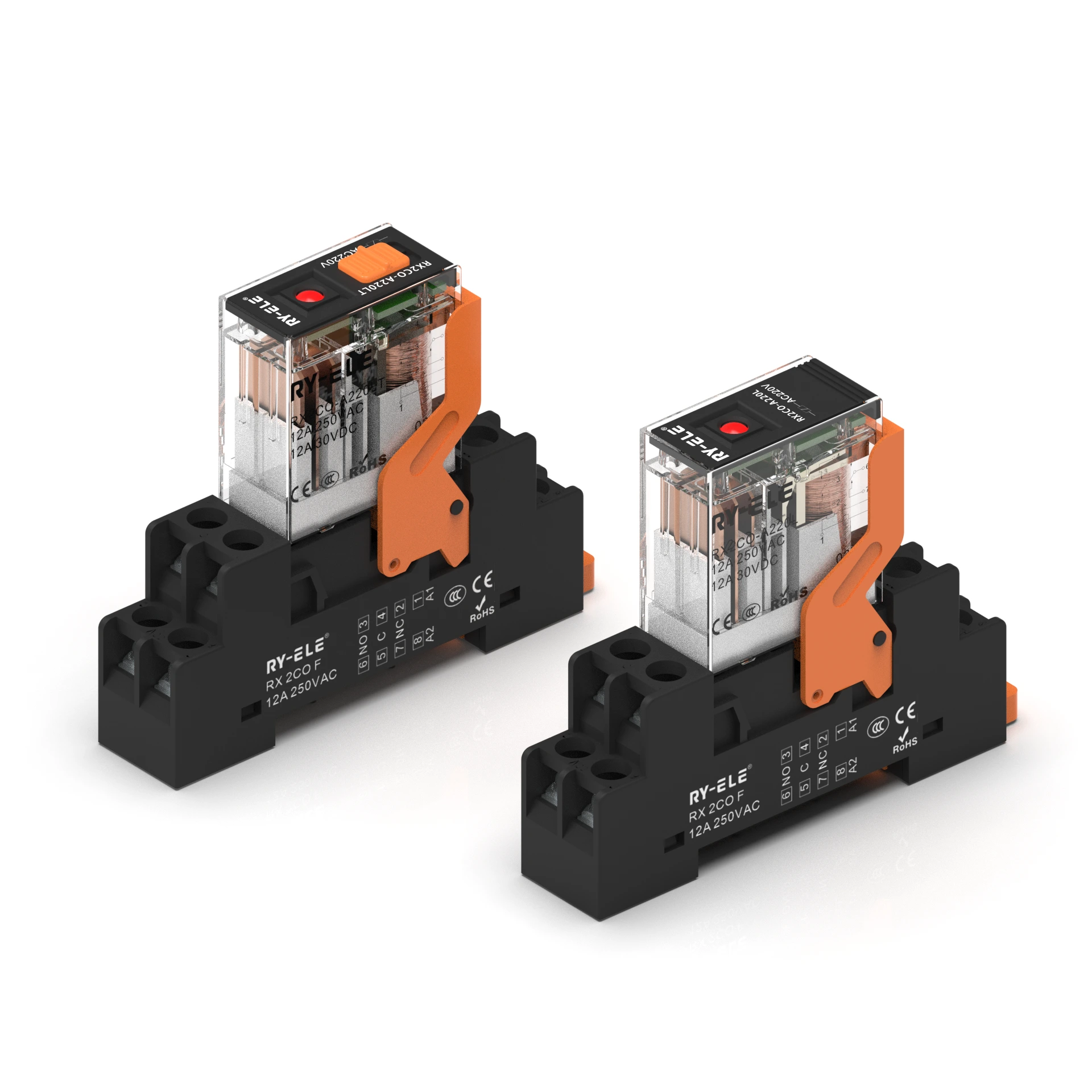
Regular maintenance helps keep electrical control panels safe, organized, and reliable. Although relay sockets are designed for long-term service, routine inspections can identify loose connections, contamination, mechanical wear, and heat-related problems before they interrupt normal operation.
A DIN Rail Relay Socket provides a mounting and connection point for compatible relays inside control cabinets. Maintaining the socket, relay, terminals, and surrounding wiring can help preserve reliable electrical performance and make troubleshooting more straightforward.
Perform Routine Visual Inspections
Start maintenance with a visual inspection of the socket and surrounding components. Look for cracked housings, discoloration, deformation, loose parts, damaged terminals, or other visible signs of deterioration.
The inspection frequency should depend on the operating environment. Panels exposed to vibration, high temperatures, dust, or moisture may require more frequent checks than equipment installed in clean indoor conditions.
Inspect Electrical Connections
Loose connections can increase electrical resistance and generate unwanted heat. Check accessible terminals for signs of looseness, corrosion, overheating, or damaged conductors.
If the manufacturer specifies a terminal tightening torque, use it during maintenance. Avoid excessive force because over-tightening can damage the terminal or conductor.
Check Relay Seating
The relay should fit securely into the socket and maintain proper contact with its terminals. During inspection, make sure the relay is fully seated and that there are no visibly bent, damaged, or contaminated pins.
If a relay has been removed and reinstalled repeatedly, pay particular attention to the contact points. Excessive wear can eventually contribute to intermittent operation.
Examine DIN Rail Mounting
The socket should remain firmly attached to the DIN rail. Inspect the mounting clip and rail for damage, looseness, or unusual movement.
Vibration can gradually affect mechanical connections, particularly in industrial machinery. If a socket becomes unstable, determine whether the issue is related to the mounting mechanism, DIN rail, or surrounding components.
Look for Heat Damage
Discoloration, melted plastic, deformation, or a burnt odor may indicate excessive heat. Possible causes include overloaded circuits, loose terminals, inadequate ventilation, or operation beyond the component’s specifications.
Do not simply replace a damaged socket without investigating the cause. Resolving the underlying electrical or environmental problem can help prevent repeated failures.
Keep the Panel Clean
Dust and contaminants can accumulate inside control cabinets and around electrical components. Regular cleaning can help maintain a suitable operating environment for relay sockets and other devices.
Always de-energize the relevant equipment and follow appropriate safety procedures before cleaning. Use cleaning methods recommended for the materials and equipment involved.
Monitor Environmental Conditions
Temperature, humidity, vibration, and chemical exposure can influence the service life of relay sockets. Make sure operating conditions remain within the manufacturer’s specified limits.
Manufacturers such as RY-ELE provide technical information that can help users determine suitable operating conditions. Environmental specifications should be considered when planning both installation and maintenance schedules.
Maintain Proper Wire Management
Inspect wiring around the relay socket for damaged insulation, excessive tension, loose conductors, or poorly routed cables. Wires should not place unnecessary mechanical stress on socket terminals.
Keep labels visible and wiring organized. A clear arrangement makes it easier to identify individual circuits during future inspections and repairs.
Replace Worn Components
A socket with severe cracking, damaged terminals, melted insulation, or unreliable contacts should be evaluated for replacement. Continuing to use visibly damaged components can create additional electrical and safety concerns.
When replacing a socket, select a model that matches the relay’s mechanical and electrical requirements. Physical similarity alone is not sufficient to confirm compatibility.
Maintain Accurate Documentation
Maintenance records can help identify recurring problems and establish appropriate inspection intervals. Record significant findings such as loose connections, overheating, component replacements, or environmental issues.
Keep electrical drawings and terminal identification up to date. Accurate documentation allows technicians to understand the panel layout and reduces unnecessary troubleshooting time.
Follow a Preventive Maintenance Checklist
A practical maintenance routine can include:
- Inspecting the socket housing for physical damage
- Checking terminals and wiring for secure connections
- Verifying proper relay seating
- Inspecting the DIN rail mounting mechanism
- Looking for heat, discoloration, or corrosion
- Removing excessive dust and contamination
- Reviewing environmental conditions
- Checking labels and electrical documentation
The exact schedule should be adjusted according to the equipment manufacturer’s recommendations and the operating environment.
Final Thoughts
Effective maintenance of relay sockets does not require complicated procedures. Regular visual inspections, secure electrical connections, clean cabinets, stable DIN rail mounting, and appropriate environmental conditions can prevent many common problems.
By combining preventive maintenance with accurate documentation and timely component replacement, technicians can support reliable relay operation and reduce unexpected control-panel downtime over the long term.