
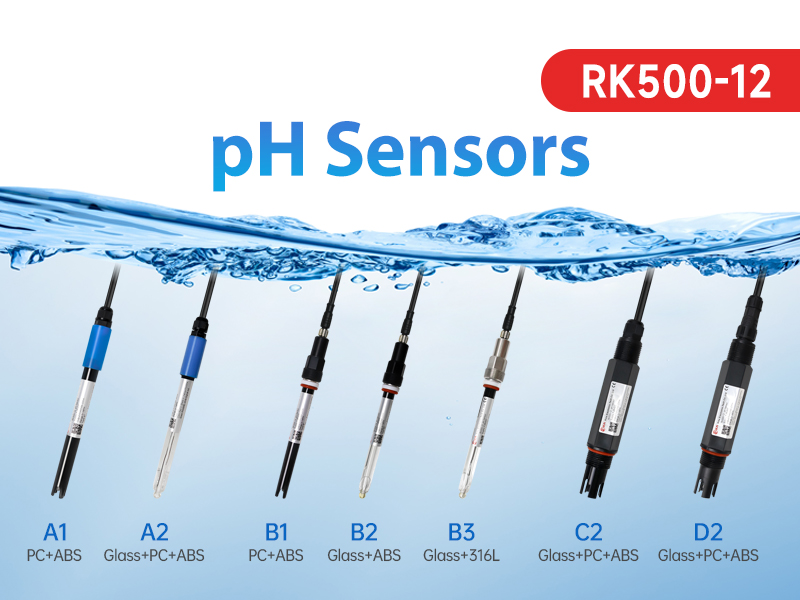
In modern industrial, laboratory, and environmental applications, monitoring chemical parameters with precision is essential. Two of the most critical parameters are pH and temperature. While a pH sensor measures the acidity or alkalinity of a solution, temperature significantly influences the accuracy of pH readings. Understanding how these two sensors work together is crucial for achieving reliable measurements in various processes.
A pH sensor detects the hydrogen ion concentration in liquids, providing a direct measurement of pH. However, pH readings can be affected by temperature variations, as the activity of ions changes with heat. By integrating temperature sensors with pH sensors, systems can automatically compensate for temperature fluctuations, ensuring accurate readings under varying environmental or process conditions.
Importance of Temperature Compensation
Temperature impacts both chemical reactions and the performance of pH sensors. For instance, in industrial processes, small temperature changes can cause a shift in the electrode potential, leading to inaccurate pH readings. Similarly, in laboratory experiments, precise pH measurement is necessary for reproducibility and compliance with scientific protocols.
Temperature compensation ensures that pH sensors provide corrected readings regardless of thermal changes. This feature is particularly important in applications like fermentation, chemical manufacturing, water treatment, and environmental monitoring, where temperature can fluctuate rapidly or differ across sampling points.
Types of pH and Temperature Sensor Combinations
Several configurations allow pH and temperature monitoring simultaneously. Many modern pH sensors are equipped with built-in temperature sensors. These combination probes measure both parameters in a single immersion, transmitting data to a controller or monitoring system for real-time temperature-compensated pH readings.
In some cases, separate temperature probes are paired with pH sensors in a single system. This setup is useful when temperature needs to be measured at multiple points or in large-volume processes. Advanced digital systems can then integrate readings from both sensors, adjusting pH calculations automatically to account for temperature effects.
Applications in Industrial Processes
Industries such as pharmaceuticals, chemical manufacturing, and food and beverage production rely on precise pH control. For example, in fermentation processes, both pH and temperature affect microbial activity and product consistency. Temperature-compensated pH sensors allow operators to maintain ideal conditions, ensuring high-quality outputs and minimizing waste.
In water treatment facilities, the combination of pH and temperature monitoring is critical for controlling chemical dosing, preventing scaling, and maintaining safe water conditions. Similarly, in chemical reactors, accurate pH readings under varying temperatures help prevent hazardous reactions and maintain compliance with safety regulations.
Integration with Automated Systems
Modern monitoring systems integrate pH and temperature sensors into automated process control. The sensors communicate with controllers that can adjust chemical addition, heating, or cooling systems based on real-time data. This integration ensures precise maintenance of process conditions, reduces manual intervention, and enhances operational efficiency.
Data logging and remote monitoring are additional benefits. Operators can access pH and temperature trends, receive alerts when values exceed limits, and optimize processes based on historical data. This capability supports predictive maintenance and process optimization in industries and research facilities.
Benefits of Using pH and Temperature Sensor Combinations
The combination of pH and temperature sensors offers several advantages. It ensures accurate pH measurement even under fluctuating temperatures, reduces errors associated with manual adjustments, and improves product consistency. Continuous monitoring allows for early detection of deviations, minimizing risk and maintaining quality standards.
Additionally, these systems save time and reduce labor costs by eliminating the need for separate measurements or manual temperature corrections. They also enhance regulatory compliance by providing documented, accurate readings required for audits and quality assurance programs.
Best Practices for Sensor Maintenance
Maintaining pH and temperature sensors is crucial for reliable operation. Regular calibration with standard solutions ensures accuracy, while proper cleaning prevents buildup that can affect readings. Selection of compatible sensors for specific chemical environments or temperature ranges enhances durability and performance.
Proper installation, including correct immersion depth and stable placement, ensures that both pH and temperature measurements represent actual process conditions. Following manufacturer guidelines for calibration, cleaning, and storage extends sensor life and maintains consistent measurement accuracy.
Conclusion
Using pH sensors in conjunction with temperature sensors provides precise and reliable monitoring essential for a wide range of industrial, laboratory, and environmental applications. Temperature compensation enhances the accuracy of pH measurements, supports process control, and ensures product quality. By integrating these sensors into automated systems and maintaining proper calibration and care, operators can achieve consistent, efficient, and safe monitoring across diverse applications.