
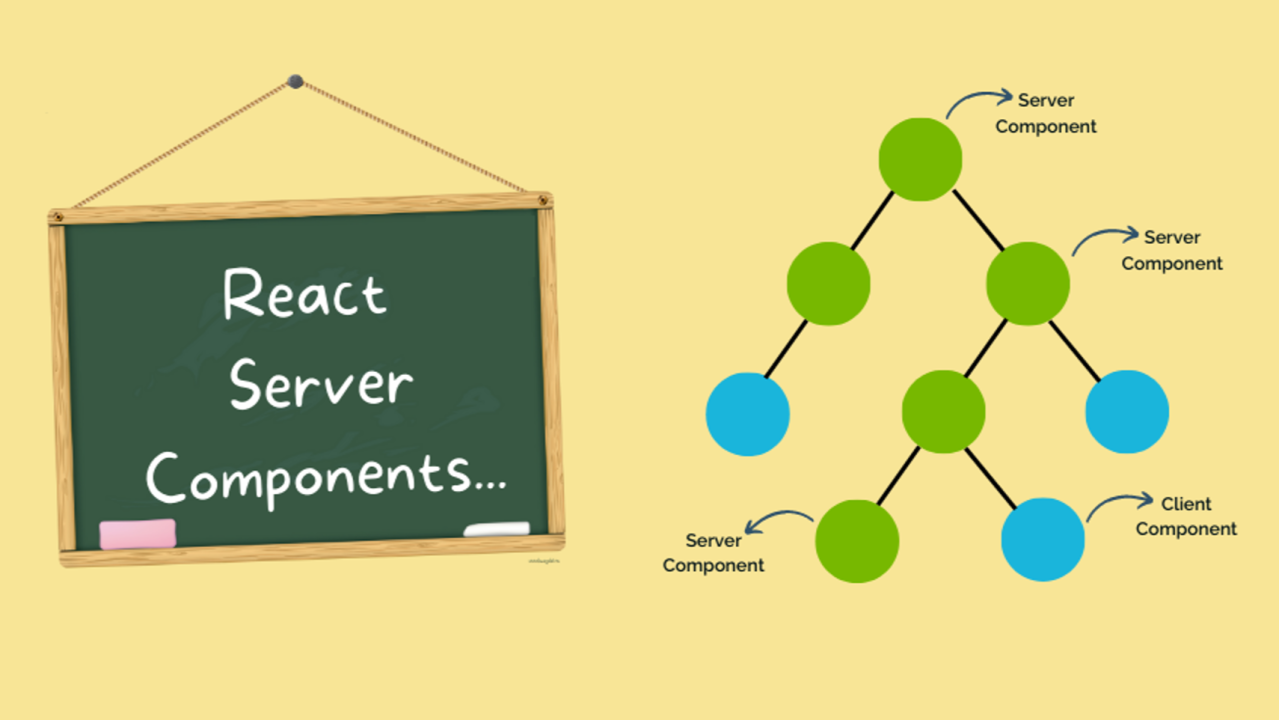
Web development has undergone dramatic transformations over the past decade, with frameworks and libraries constantly evolving to meet the demands of modern applications. React, one of the most popular JavaScript libraries, has revolutionized how developers build interactive user interfaces. Traditionally focused on client-side rendering, React now introduces innovations that blur the line between server and client, optimizing performance and scalability. Among these innovations, React Server Components are rapidly gaining attention for their ability to redefine application architecture and efficiency.
What Are React Server Components?
To fully understand how React is evolving, it is helpful to explore React Server Components, a groundbreaking feature that allows components to be rendered on the server while seamlessly integrating with client-side components. Unlike traditional React components, which rely heavily on client-side rendering and hydration, server components can fetch data, render HTML, and send it to the client without additional JavaScript overhead. This results in faster page loads, improved SEO, and reduced bundle sizes, making web applications more efficient.
Key Advantages of Using React Server Components
1. Improved Performance
By offloading rendering to the server, React Server Components reduce the amount of JavaScript that needs to be sent to the browser. This decreases initial load times, improves time-to-first-byte (TTFB), and enhances overall user experience. Applications built with server components can deliver content quickly, even on slower networks or low-end devices.
2. Reduced Client-Side Complexity
Developers no longer need to manage heavy client-side logic for every UI component. Server components handle data fetching and processing on the server, simplifying client-side state management and reducing the risk of bugs.
3. Enhanced SEO
Search engines benefit from fully rendered HTML served directly from the server. React Server Components ensure that crawlers can index content without relying on client-side rendering, which improves visibility and search rankings.
4. Flexible Integration with Existing React Apps
Server components are designed to integrate seamlessly with existing client components. Developers can gradually adopt server-side rendering without a complete overhaul of the application, allowing for a smooth transition and minimal disruption.
How React Server Components Work
React Server Components leverage a hybrid approach combining server-side and client-side rendering. Here’s a simplified workflow:
-
Server-Side Rendering: The server fetches data and renders components into HTML.
-
Streaming to the Client: Rendered HTML is sent to the client incrementally, allowing for faster first contentful paint.
-
Client-Side Hydration (Optional): If client interactivity is needed, specific components can be hydrated without loading the entire JavaScript bundle.
This approach provides the best of both worlds: the speed and SEO benefits of server rendering combined with the interactivity of client-side React components.
Practical Use Cases for React Server Components
Content-Rich Websites
Applications such as news portals, blogs, and e-commerce sites benefit from server components by delivering content quickly without sacrificing interactivity or dynamic features.
Dashboard Applications
Complex dashboards with multiple data visualizations can leverage server components to fetch and render data efficiently, reducing client-side computation and improving responsiveness.
E-Commerce Platforms
Server components streamline product listing pages, search results, and checkout flows, enabling faster load times and better user engagement.
Social Media Feeds
Platforms that display constantly updating feeds can use server components to pre-render posts while keeping interactive elements on the client side, creating a balance between speed and interactivity.
Best Practices for Implementing React Server Components
Use Server Components for Data-Heavy Tasks
Components that involve extensive data fetching or require server-side computation should be rendered on the server to reduce client-side load.
Limit Client-Side Interactivity
Reserve client-side components for elements requiring user interaction, such as buttons, forms, or dynamic state updates.
Optimize Data Fetching
Efficiently structure data queries and use caching mechanisms to minimize server load and improve response times.
Adopt Incremental Migration
Introduce server components gradually in existing projects to test performance improvements without affecting overall functionality.
Monitor Performance Metrics
Track key indicators such as TTFB, first contentful paint, and hydration times to assess the impact of server components and adjust strategies accordingly.
The Future of React Development
React Server Components represent a significant step toward more performant, scalable, and maintainable web applications. By bridging the gap between server and client, they empower developers to build applications that deliver speed, interactivity, and a better user experience. As adoption grows, it is likely that future React releases will introduce even more refined features, better tooling, and enhanced integrations with modern backend systems.
Conclusion
React Server Components are redefining the landscape of web development, providing developers with powerful tools to optimize performance, reduce client-side complexity, and enhance user experience. From content-heavy websites to complex dashboards and interactive e-commerce platforms, the potential applications are vast and transformative. Embracing server components today allows developers to build faster, more efficient, and future-ready React applications, positioning their projects for success in an increasingly competitive digital ecosystem.