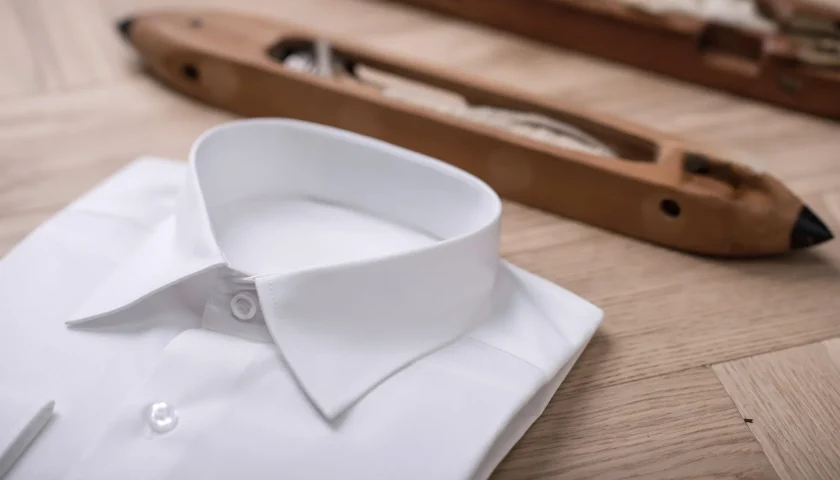

Style3D Fabric is a professional digital fabric creation solution that captures real textile properties through advanced scanning technology, allowing designers to digitize materials with precision and apply them to 3D garments in real time. It enables accurate texture mapping, realistic drape simulation, and seamless integration into virtual design workflows, helping fashion brands accelerate sampling, reduce waste, and improve collaboration across teams.
The Style3D Fabric product empowers designers to transform physical textiles into highly detailed digital assets. By scanning real fabrics and capturing their structural and visual properties, this technology ensures that digital garments behave just like their physical counterparts. From fiber texture to stretch performance, every detail can be replicated and edited within a 3D environment, making the design process faster, smarter, and more sustainable.
The Evolution of Digital Fabric Design
Fashion design has moved far beyond paper sketches and manual sampling. Today, brands rely heavily on digital tools to shorten production cycles and improve accuracy. Traditional fabric swatches, while valuable, limit experimentation and often require repeated physical sampling.
Digital fabric solutions eliminate these challenges. By converting textiles into editable digital assets, designers gain the flexibility to:
-
Test materials instantly on virtual garments
-
Adjust color, texture, and patterns without reprinting
-
Simulate drape and fit on avatars
-
Share fabric libraries across global teams
This transformation allows fashion companies to operate with greater speed and efficiency.
How Digital Fabric Scanning Works
The process begins with high-precision scanning technology. Real fabric samples are analyzed to capture their:
-
Surface texture
-
Weave structure
-
Thickness and density
-
Stretch and elasticity
-
Light reflection properties
Once scanned, the system generates a digital fabric file that accurately reflects the material’s real-world behavior. Designers can then apply these fabrics to 3D garments, observing how they move, fold, and interact with the body.
This level of realism ensures that design decisions made in the digital stage closely match the final physical product.
Real-Time Editing for Creative Flexibility
One of the strongest advantages of advanced fabric digitization is real-time editing. Designers no longer need to wait for new physical samples when adjusting details.
They can instantly modify:
-
Color tones and saturation
-
Print scale and alignment
-
Surface finishes such as gloss or matte
-
Pattern repetition and placement
These changes appear immediately on 3D garments, enabling faster approvals and streamlined feedback cycles.
Enhancing 3D Garment Simulation
Accurate fabric data is essential for realistic garment simulation. When textile properties are properly captured, 3D garments respond naturally to movement and gravity.
High-quality digital fabrics improve:
-
Drape realism
-
Wrinkle formation
-
Stretch performance
-
Body contour adaptation
This precision helps designers evaluate fit, silhouette, and comfort before any physical sample is produced. As a result, brands can reduce costly revisions later in the development process.
Improving Sustainability in Fashion
Sustainability is no longer optional in modern fashion. Reducing material waste and unnecessary sampling has become a top priority for brands worldwide.
Digital fabric technology contributes to sustainability by:
-
Minimizing physical sample production
-
Reducing fabric waste
-
Lowering shipping emissions
-
Enabling remote collaboration
By digitizing textiles early in the design cycle, companies can make informed decisions without relying heavily on physical prototypes.
Seamless Workflow Integration
A powerful digital fabric tool must integrate smoothly with existing design systems. Modern fashion workflows often include 3D modeling software, virtual showrooms, and product lifecycle management platforms.
Digital fabric assets can be shared across departments, ensuring:
-
Consistent material representation
-
Faster communication between design and production teams
-
Accurate cost forecasting
-
Streamlined approval processes
When everyone works from the same digital material library, misunderstandings decrease and productivity increases.
Supporting Global Collaboration
Fashion brands operate across continents. Designers, suppliers, and manufacturers may all be located in different countries.
Digital fabric libraries allow teams to:
-
Access identical textile files instantly
-
Review garment simulations remotely
-
Provide real-time feedback
-
Reduce dependency on shipping physical swatches
This approach strengthens global collaboration and accelerates product development timelines.
Realistic Avatar Applications
In 3D fashion design, avatars play a critical role. Digital fabrics must respond accurately to body shapes and movement. When applied to avatars, scanned materials showcase authentic folds, tension lines, and fabric flow.
This realistic representation helps designers evaluate:
-
Fit accuracy
-
Garment proportion
-
Visual appeal from multiple angles
-
Performance during simulated motion
The ability to test materials virtually reduces uncertainty before production begins.
Empowering Creative Exploration
Beyond efficiency, digital fabric technology expands creative freedom. Designers can experiment without financial risk. Complex prints, layered textures, and bold material combinations can be tested instantly.
This flexibility encourages:
-
Innovative textile experimentation
-
Rapid seasonal trend adaptation
-
Unique surface treatments
-
Digital-first fashion collections
Creative exploration becomes more dynamic when designers are not limited by physical sampling constraints.
From Digital Play to Professional Design
Many fashion enthusiasts first discover styling and design concepts through interactive platforms. Exploring Best free fashion design games online often sparks interest in garment creation and textile experimentation.
However, professional design requires advanced tools capable of accurately simulating real-world materials. Digital fabric solutions bridge that gap, transforming creative curiosity into production-ready design workflows.
Future Trends in Digital Fabric Technology
The future of textile digitization will likely include:
-
AI-enhanced fabric scanning
-
Automated texture optimization
-
Advanced material physics simulation
-
Integration with virtual reality design spaces
-
Expansion into digital fashion marketplaces
As virtual fashion grows, precise fabric representation will become even more essential. Brands that adopt digital textile technology today position themselves for long-term innovation.
Why Digital Fabric Solutions Matter
Modern fashion demands speed, sustainability, and precision. Digital fabric creation tools provide all three. By capturing real textile properties and enabling real-time editing, they help brands move confidently from concept to production.
Instead of relying solely on physical samples, designers can make informed decisions within immersive 3D environments. This reduces waste, shortens timelines, and improves final product accuracy.
For fashion professionals seeking efficiency and creative control, advanced fabric digitization is no longer a luxury—it is a necessity. As digital transformation continues to reshape the industry, realistic textile simulation will remain at the heart of innovative design workflows.