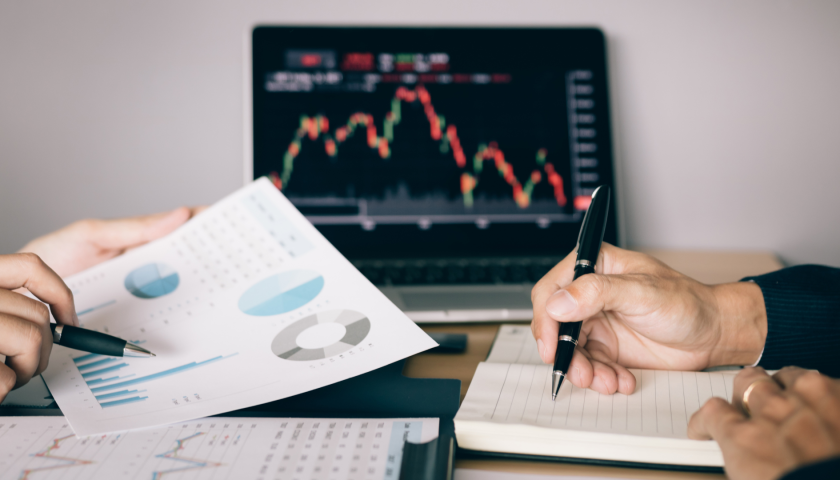
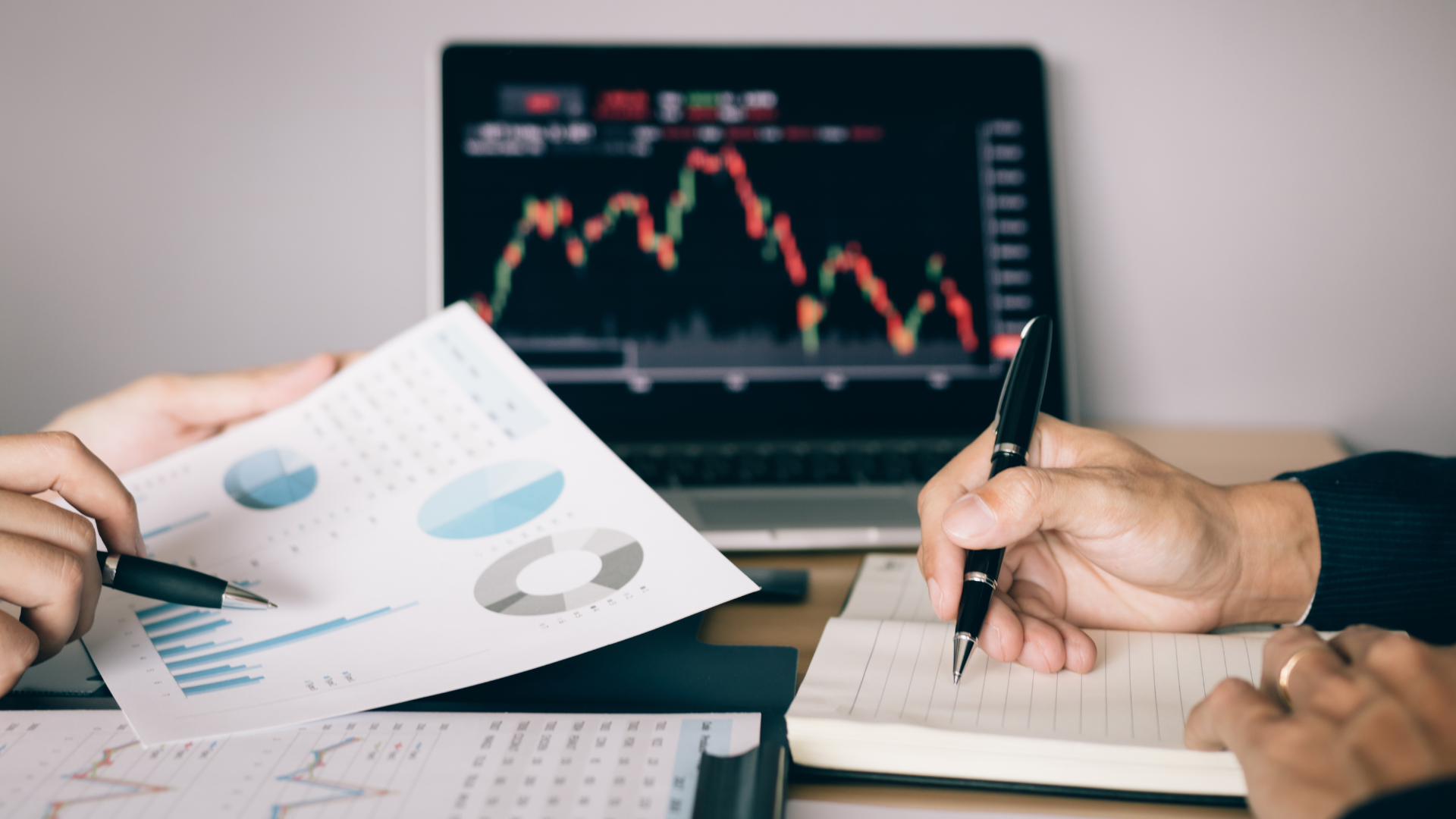
Singapore has always maintained a certain productive tension between its technology sector and its financial industry. The two communities overlap in obvious ways, sharing office space across the city, attending the same conferences, and occasionally poaching talent from one another. But the cultural gap between a software engineer at a fintech startup and a derivatives trader at a regional bank has historically been wider than their proximity suggests. Something has been closing that gap recently, and the common ground where these two groups are increasingly meeting is the currency market.
The appeal of fx trading to Singapore’s technology community is not accidental. People who spend their working lives thinking about systems, data pipelines, and automation find currency markets intellectually familiar in ways that other asset classes are not. The market generates continuous, structured data and responds to quantifiable inputs. It rewards the kind of pattern recognition and hypothesis testing that software engineers and data scientists apply professionally every day. This generation sees the foreign exchange market as less of a foreign field and more of a new one they are learning, or perhaps putting to good use.
What has accelerated the convergence is the accessibility of algorithmic tools. Platforms like MetaTrader 5 and TradingView have lowered the barrier between having a trading idea and being able to test it systematically. A developer comfortable with Python or MQL5 can build a backtested strategy in a weekend and have it running on a demo account within days. That kind of rapid iteration is a natural fit for people whose professional culture already celebrates building, testing, and refining. Finance professionals observing this shift have taken notice, recognising that quantitative approaches they associate with institutional desks are being replicated at the retail level with increasing sophistication.
The finance community brings something different to the intersection. Years of exposure to risk frameworks, regulatory thinking, and the institutional mechanics of how currency markets actually function gives experienced finance professionals a contextual depth that technically skilled newcomers often lack. Understanding why a central bank intervention moves a pair, or how positioning data from the Commodity Futures Trading Commission informs sentiment analysis, requires a market literacy that comes from time spent inside financial institutions rather than from technical study alone. When these two knowledge sets meet in Singapore’s trading circles, the conversations tend to produce insights that neither group reaches independently.
Social infrastructure has helped this along. The city’s trading meetups and online communities have become genuinely mixed environments where background matters less than engagement quality. A data engineer presenting a systematic approach to fx trading at a Saturday workshop sits alongside a fixed income analyst who has spent years watching the same currency pairs from a completely different vantage point. Both leave with perspectives they did not arrive with, which is precisely the kind of cross-pollination that makes Singapore’s financial culture periodically reinvent itself.
What this convergence suggests about the broader market is worth considering. Retail participation in currency markets has historically been dominated by discretionary traders working from technical analysis and intuition. The arrival of a more technically literate cohort, one comfortable with automation, statistical validation, and systematic risk management, is raising the standard of practice across Singapore’s retail trading community. Whether that produces better aggregate outcomes over time remains to be seen, but the quality of the questions being asked has already improved noticeably.