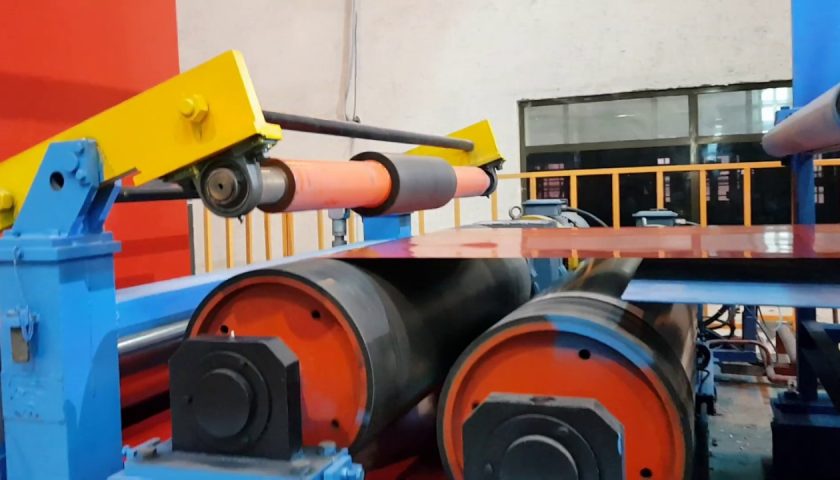

Biaxially Oriented Polypropylene (BOPP) film is a critical material in flexible packaging due to its strength, clarity, and versatility. It is widely used in food packaging, labeling, lamination, and industrial applications where consistent performance and safety are essential. Because these applications often involve sensitive products, maintaining strict quality control is a fundamental requirement in production.
In this context, BOPP film manufacturers play a central role in ensuring that every roll of film meets precise technical and industry standards. Through advanced testing systems and controlled production environments, they maintain consistency in mechanical, optical, and barrier properties across large-scale manufacturing.
Importance of Quality Control in BOPP Film Production
Quality control is essential in BOPP film manufacturing because even minor variations in thickness, orientation, or surface treatment can significantly affect performance. Packaging failures can lead to product damage, reduced shelf life, or compromised branding.
To avoid these issues, manufacturers implement strict monitoring systems throughout the production process. This ensures that the final product meets both customer expectations and international quality standards.
Key Stages of Quality Control in Manufacturing
Quality assurance in BOPP film production is integrated at every stage of the process, from raw material selection to final inspection.
Raw Material Inspection
High-quality polypropylene resin is selected and tested for purity, melt flow index, and consistency. Any impurities can affect film clarity and strength.
Extrusion Monitoring
During extrusion, parameters such as temperature, pressure, and melt uniformity are continuously monitored. This ensures a consistent base film structure.
Orientation Control
The biaxial stretching process is carefully regulated to achieve uniform mechanical properties in both machine and transverse directions.
Surface Treatment Evaluation
Corona or chemical treatments are tested to ensure proper surface energy levels for printing and coating applications.
Key Testing Methods Used by Manufacturers
To ensure product reliability, BOPP film manufacturers use a range of standardized testing methods.
Common quality tests include:
- Tensile strength and elongation testing
- Optical clarity and haze measurement
- Thickness uniformity checks
- Surface tension analysis
- Coefficient of friction testing
- Moisture barrier performance evaluation
These tests help ensure that the film performs consistently across different applications.
Industry Standards and Compliance
BOPP film used in packaging must comply with various international quality and safety standards, especially in food and pharmaceutical applications. Compliance ensures that the material is safe, reliable, and suitable for global markets.
Manufacturers typically align with standards related to:
- Food safety regulations for packaging materials
- ISO quality management systems
- Environmental and sustainability guidelines
- Industry-specific packaging performance requirements
Adherence to these standards enhances trust and reliability in global supply chains.
Role of Automation in Quality Assurance
Modern BOPP film production relies heavily on automation and digital monitoring systems. These technologies help improve precision and reduce human error during manufacturing.
Key automation benefits include:
- Real-time monitoring of film thickness and uniformity
- Automated defect detection systems
- Digital control of temperature and stretching parameters
- Data-driven quality analysis for continuous improvement
These advancements allow manufacturers to maintain consistent product quality at high production speeds.
Common Quality Challenges in Production
Despite advanced systems, several challenges must be managed to maintain consistent quality:
- Variations in raw material properties
- Environmental fluctuations during production
- Mechanical stress during high-speed processing
- Surface contamination affecting printability
Manufacturers address these challenges through continuous monitoring and process optimization.
Importance of Quality Control for End Applications
Strict quality control ensures that BOPP film performs reliably across various industries. In food packaging, it preserves freshness and prevents contamination. In labeling, it ensures print clarity and adhesion. In industrial applications, it provides durability and mechanical strength.
Without proper quality assurance, packaging performance could be compromised, leading to product loss and reduced consumer trust.
Conclusion
Quality control is a critical component of BOPP film manufacturing, ensuring that every product meets strict performance and safety standards. Through advanced testing, automation, and compliance with international regulations, manufacturers maintain high levels of consistency and reliability.
As global demand for flexible packaging continues to grow, BOPP film manufacturers will remain essential in delivering high-quality materials that meet the evolving needs of modern industries. Their commitment to precision and quality ensures that BOPP film continues to be a trusted solution across diverse packaging applications.