
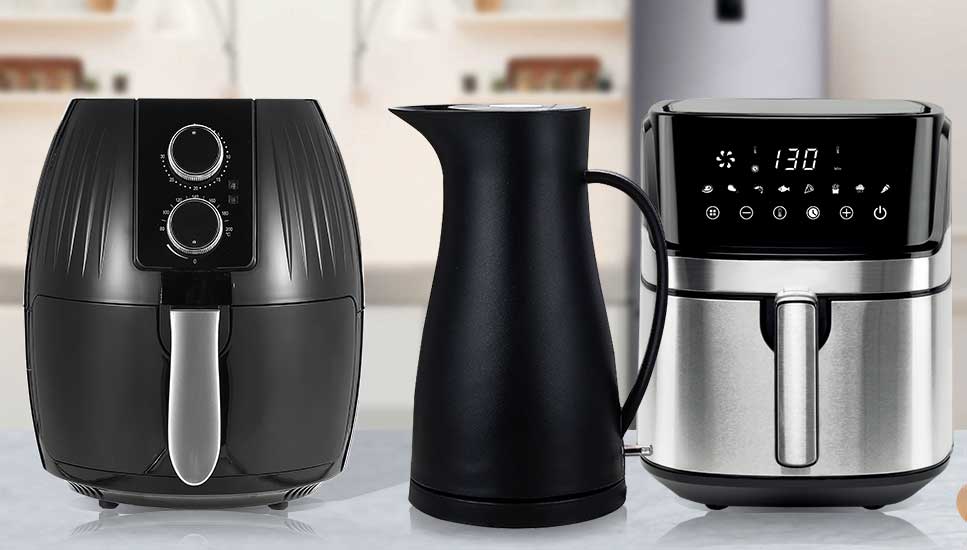
Choosing small household appliances is no longer a simple purchase decision. With countless models and manufacturers available worldwide, buyers must carefully assess quality, durability, and long-term reliability before committing to a brand. This is especially important for retailers, wholesalers, and distributors who depend on consistent product performance to maintain customer satisfaction and business reputation.
In a competitive global market, working with established small appliance brands can significantly reduce risks related to product failure, compliance issues, and inconsistent manufacturing standards. However, not all brands offer the same level of reliability, making careful evaluation essential.
Understanding What Defines Quality in Small Appliances
Quality in small appliances goes beyond appearance or price. It involves a combination of materials, engineering, safety, and performance consistency over time. A well-built appliance should operate efficiently under regular use without frequent breakdowns.
Key indicators of quality include:
- Durable construction materials and components
- Stable performance under different usage conditions
- Energy efficiency and optimized power consumption
- Safety features such as overheating protection
- Smooth and user-friendly operation
Brands that prioritize these elements tend to deliver better long-term value and customer satisfaction.
Assessing Manufacturing Standards and Production Processes
One of the most important factors in evaluating appliance brands is understanding their manufacturing capabilities. High-quality brands typically operate advanced production facilities with strict quality control systems.
Important aspects to evaluate include:
- Use of automated production technologies
- Consistent inspection during manufacturing stages
- Compliance with international safety standards
- Traceability of materials and components
Brands with strong manufacturing systems are more likely to produce consistent and reliable products across large production batches.
Evaluating Product Certifications and Compliance
Certifications are a clear indicator that a brand meets global safety and performance requirements. Reliable small appliance brands ensure their products comply with recognized international standards.
Common certifications to look for include:
- CE certification for European safety compliance
- UL certification for electrical safety in the United States
- RoHS compliance for environmental safety
- ISO standards for quality management systems
These certifications demonstrate that products have undergone rigorous testing and meet established regulatory guidelines.
Product Range and Specialization
A brand’s product range can also reveal its level of expertise and market focus. Established manufacturers often offer a wide variety of appliances across multiple categories, while specialized brands may focus on specific segments such as kitchen or personal care devices.
When evaluating product range, consider:
- Diversity of appliance categories offered
- Availability of both entry-level and advanced models
- Consistency in design and performance across product lines
- Ability to provide OEM or customized solutions
A broad and well-developed product range often reflects stronger research, development, and manufacturing capabilities.
Performance Testing and Real-World Usage
Beyond technical specifications, real-world performance is a critical factor in evaluating appliance reliability. High-quality brands conduct extensive testing to ensure their products perform consistently under everyday conditions.
Key performance areas include:
- Long-term durability under frequent use
- Stability of heating, cooling, or motor functions
- Resistance to wear and environmental factors
- Ease of maintenance and cleaning
Brands that prioritize real-world testing are more likely to deliver dependable products to end users.
Customer Support and After-Sales Service
Reliable brands also provide strong customer support systems. After-sales service is an important part of long-term product value, especially for retailers and distributors handling warranty claims or technical issues.
Important support features include:
- Warranty coverage and replacement policies
- Availability of spare parts
- Technical assistance and troubleshooting support
- Responsive customer service channels
Strong after-sales support reflects a brand’s commitment to customer satisfaction and product reliability.
Reputation and Market Presence
A brand’s reputation in the global market is another important evaluation factor. Established brands often have a proven track record of consistent quality and positive customer feedback.
Consider the following when assessing reputation:
- Years of experience in the industry
- Presence in international markets
- Feedback from retailers and end users
- Consistency in product reviews and ratings
Brands with a strong reputation are generally more reliable partners for long-term business relationships.
Conclusion
Evaluating small appliance brands requires careful consideration of multiple factors, including manufacturing quality, certifications, product performance, and customer support. By focusing on these key areas, businesses and consumers can make more informed decisions and reduce the risks associated with product failure or inconsistency. In a competitive global market, choosing reliable brands is essential for ensuring long-term satisfaction and operational success.